
Perkembangan Laptop 2026: Prosesor Lebih Cepat dan Baterai Lebih Tahan Lama

Perkembangan Laptop 2026: Prosesor Lebih Cepat dan Baterai Lebih Tahan Lama

Laptop pada tahun 2026 mengalami perkembangan signifikan, terutama dalam hal performa dan efisiensi energi. Prosesor yang lebih cepat dan baterai yang lebih tahan lama menjadi kunci utama peningkatan ini, memungkinkan pengguna untuk menjalankan aplikasi berat dan aktivitas multitasking dengan lebih lancar. Pengembang teknologi terus berinovasi, menjadikan laptop sebagai alat yang lebih handal untuk kebutuhan sehari-hari, baik untuk pekerjaan maupun hiburan.

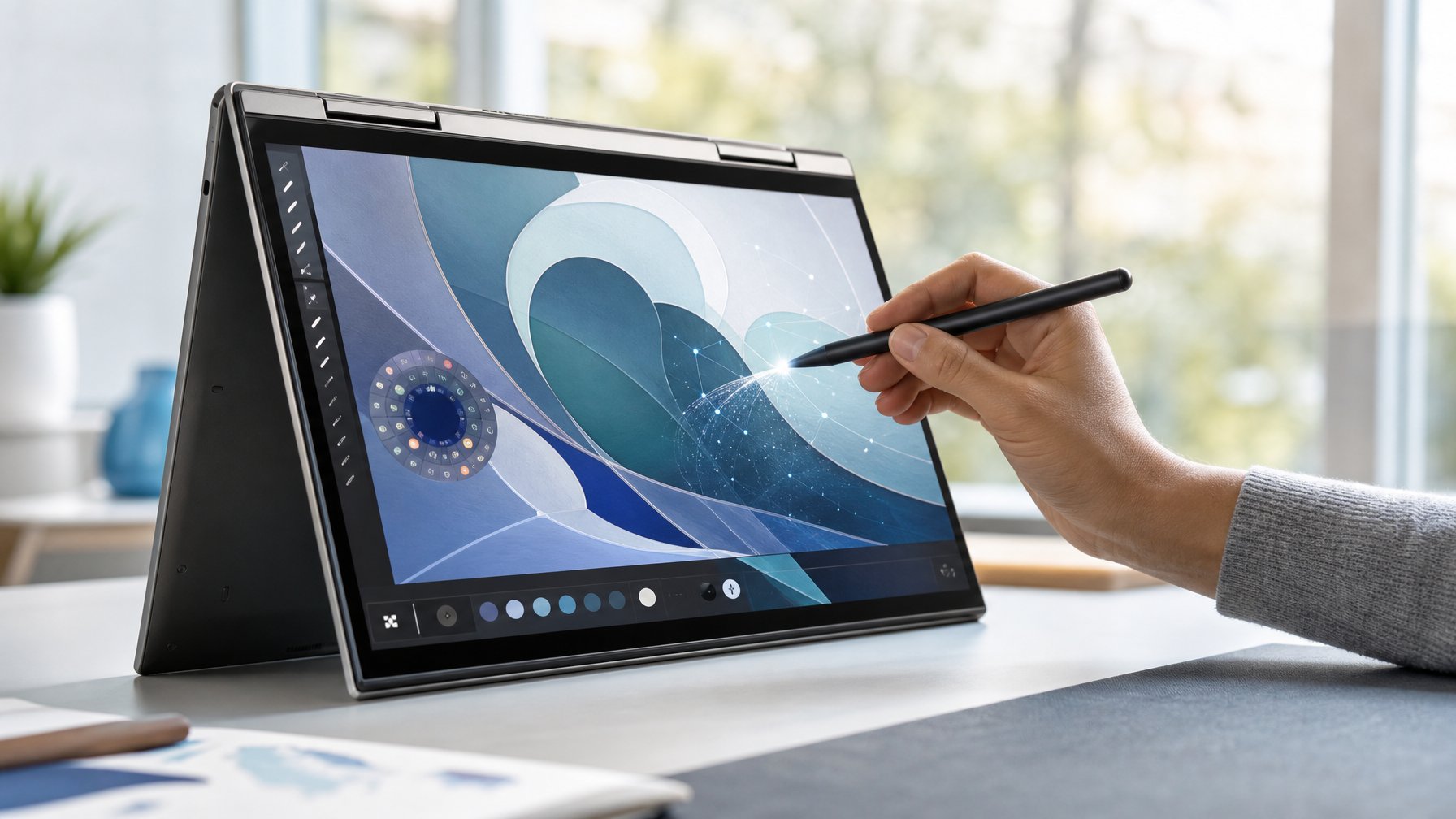
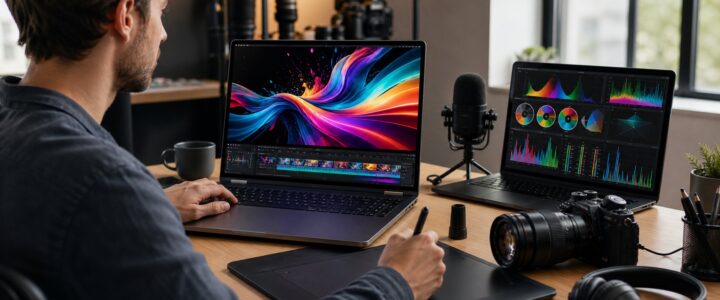
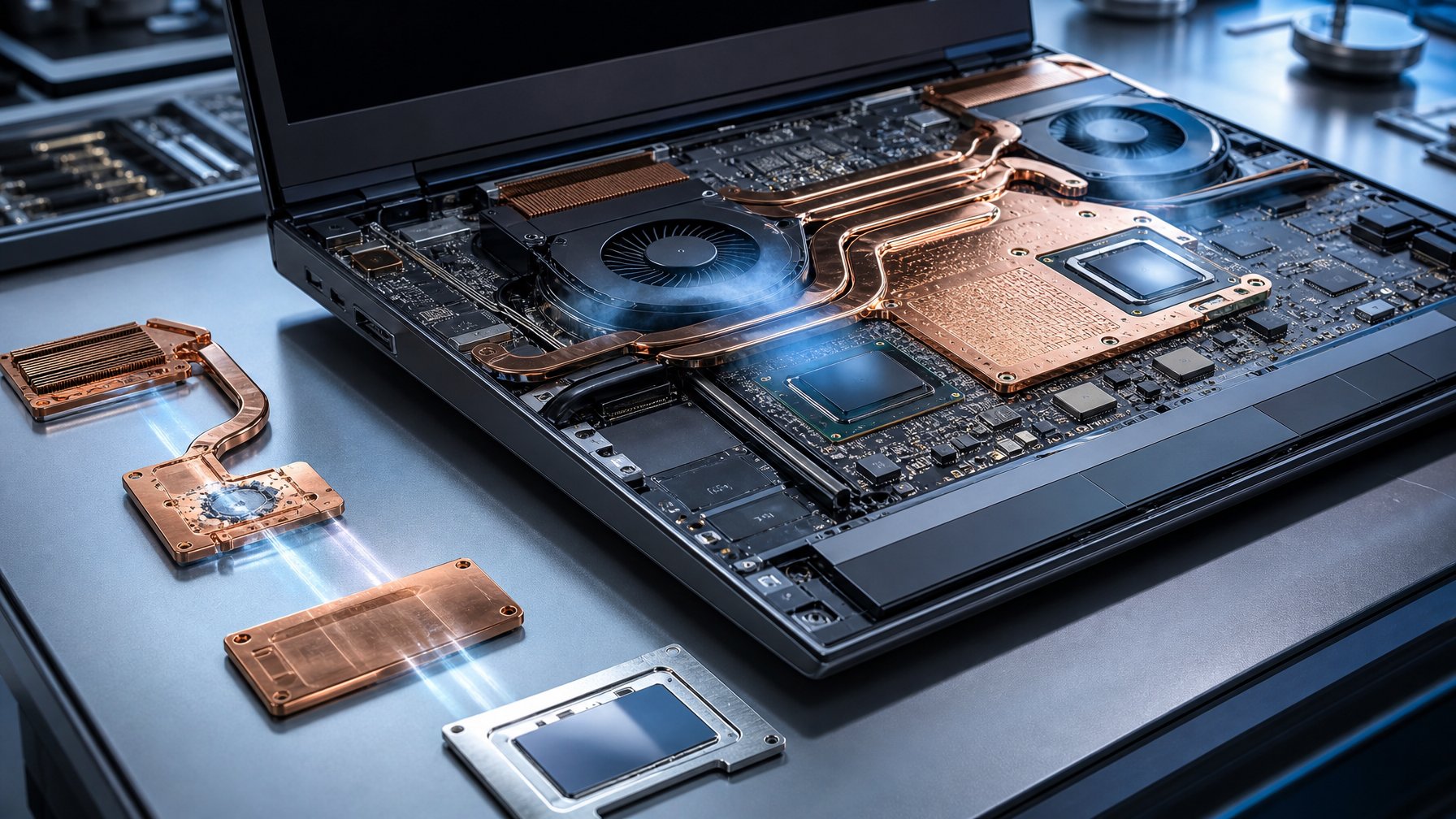
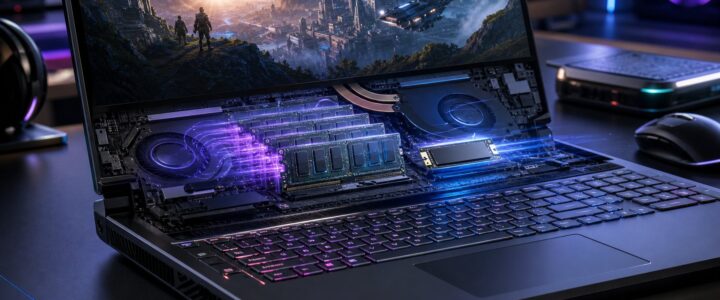
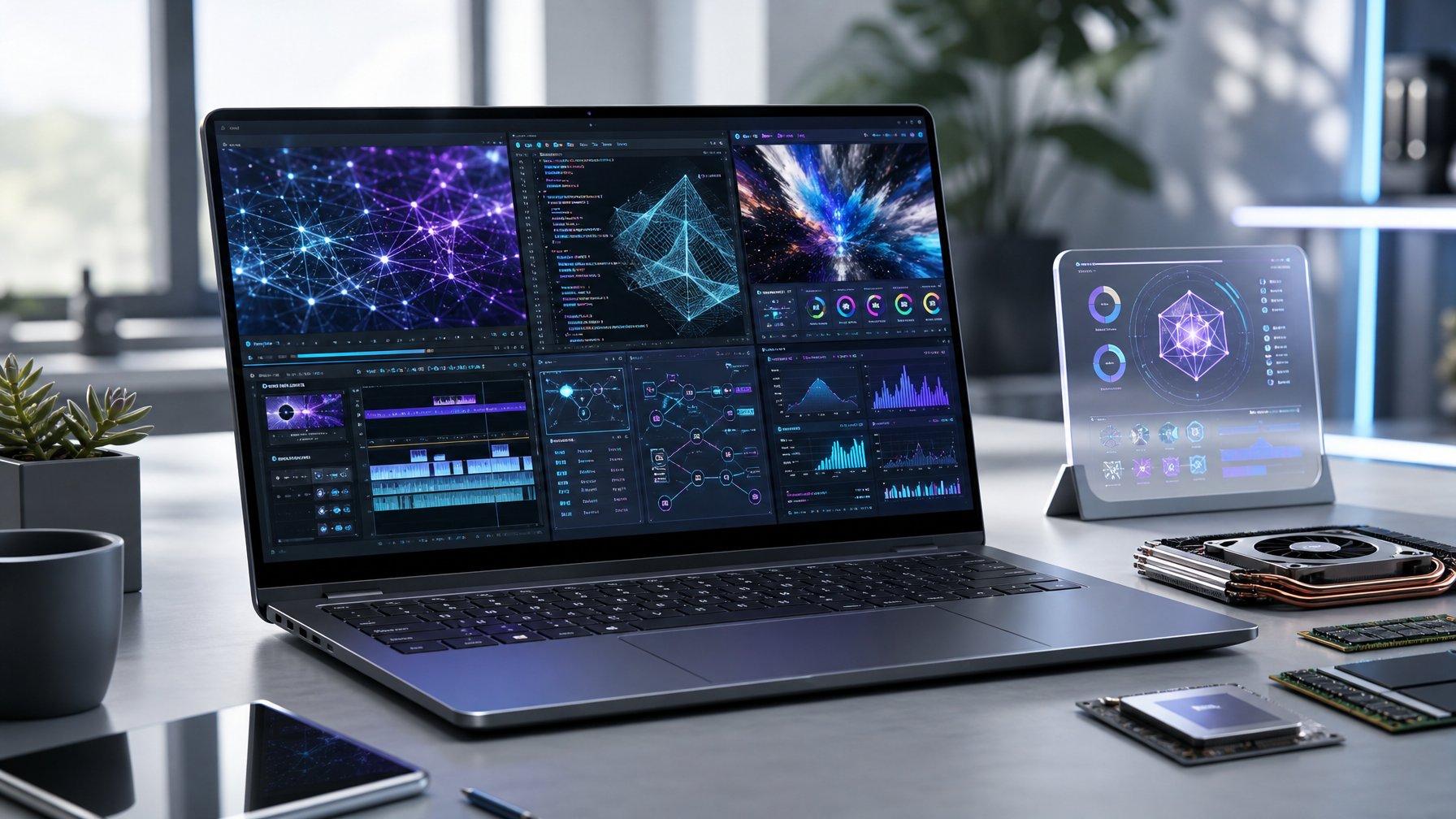
Laptop modern dengan desain futuristik di atas meja kerja bersih, menunjukkan teknologi prosesor cepat dan baterai tahan lama.

Salah satu sorotan utama adalah kemajuan dalam arsitektur prosesor yang tidak hanya meningkatkan kecepatan, tetapi juga mengoptimalkan konsumsi daya. Dengan kombinasi ini, laptop kini menawarkan kinerja tinggi tanpa mengorbankan daya tahan baterai. Hal ini tentu menjadi angin segar bagi pengguna yang menginginkan perangkat yang efisien dan praktis.

Selain itu, tren desain laptop semakin ramah pengguna, memberikan fleksibilitas dan kenyamanan lebih saat digunakan. Pengguna kini dapat memilih dari beragam model yang sesuai dengan gaya hidup dan kebutuhan mereka, menjadikan laptop pilihan yang semakin menarik di pasaran.

Tren Perkembangan Laptop di Tahun 2026

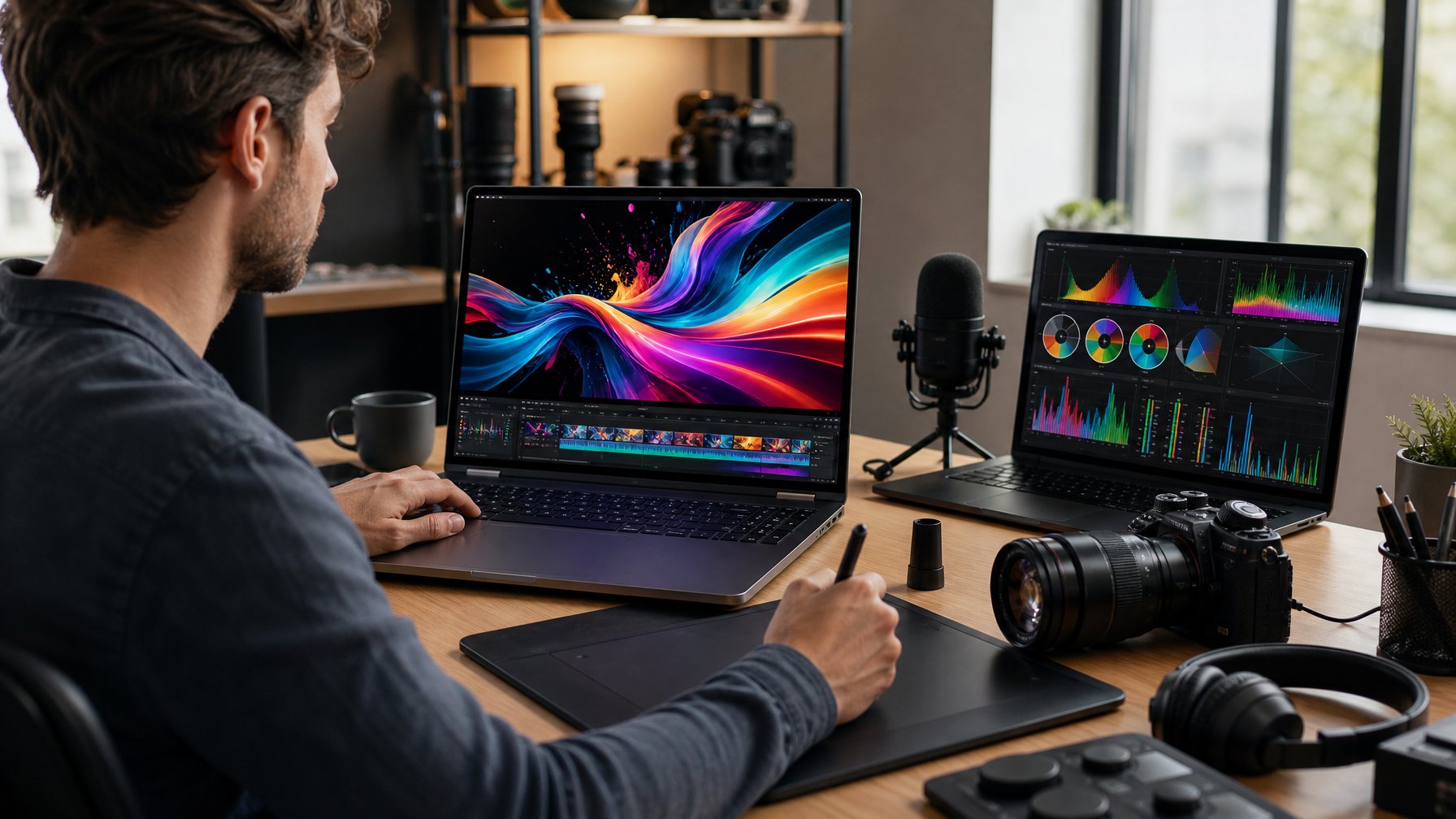
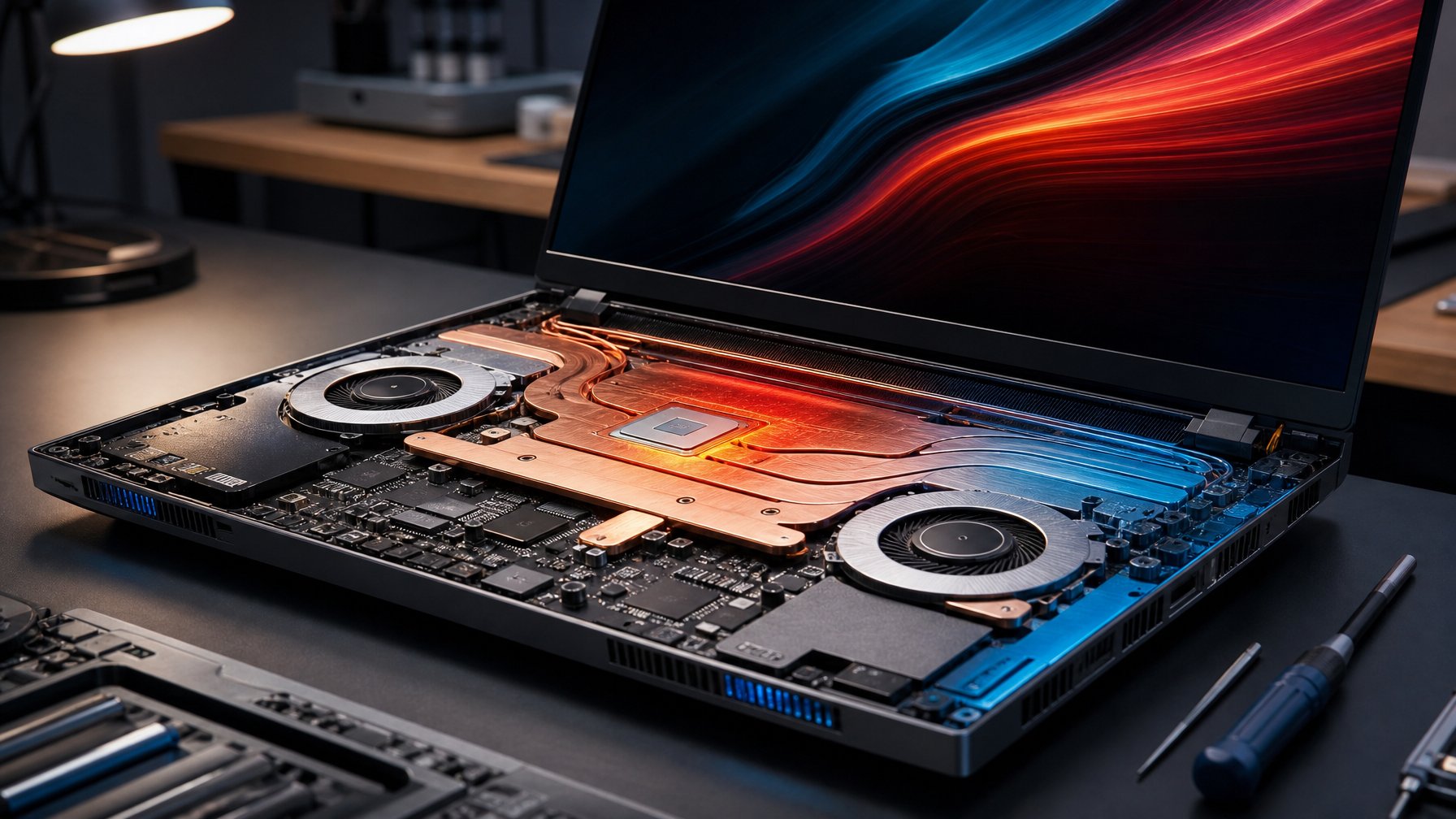
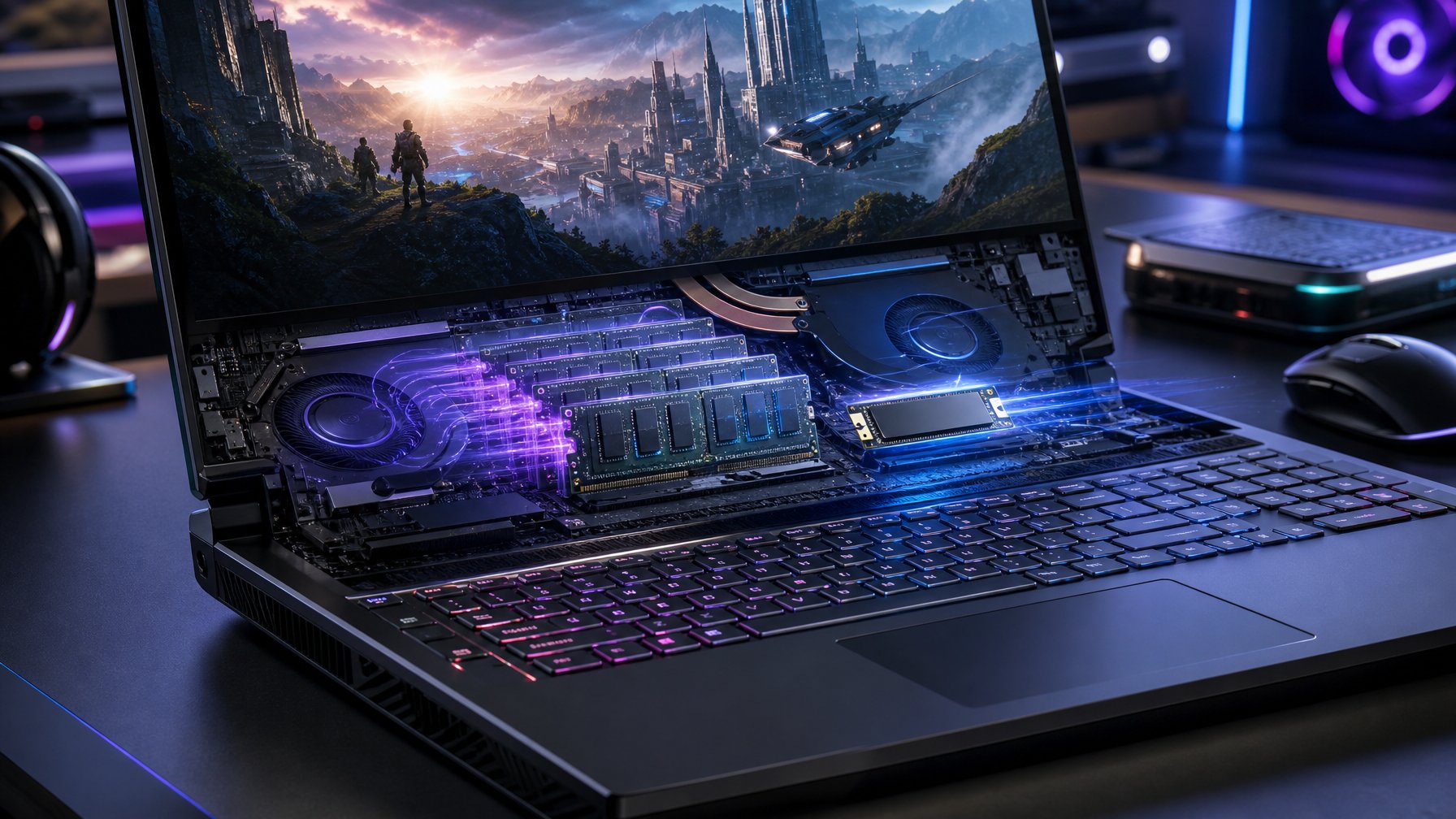
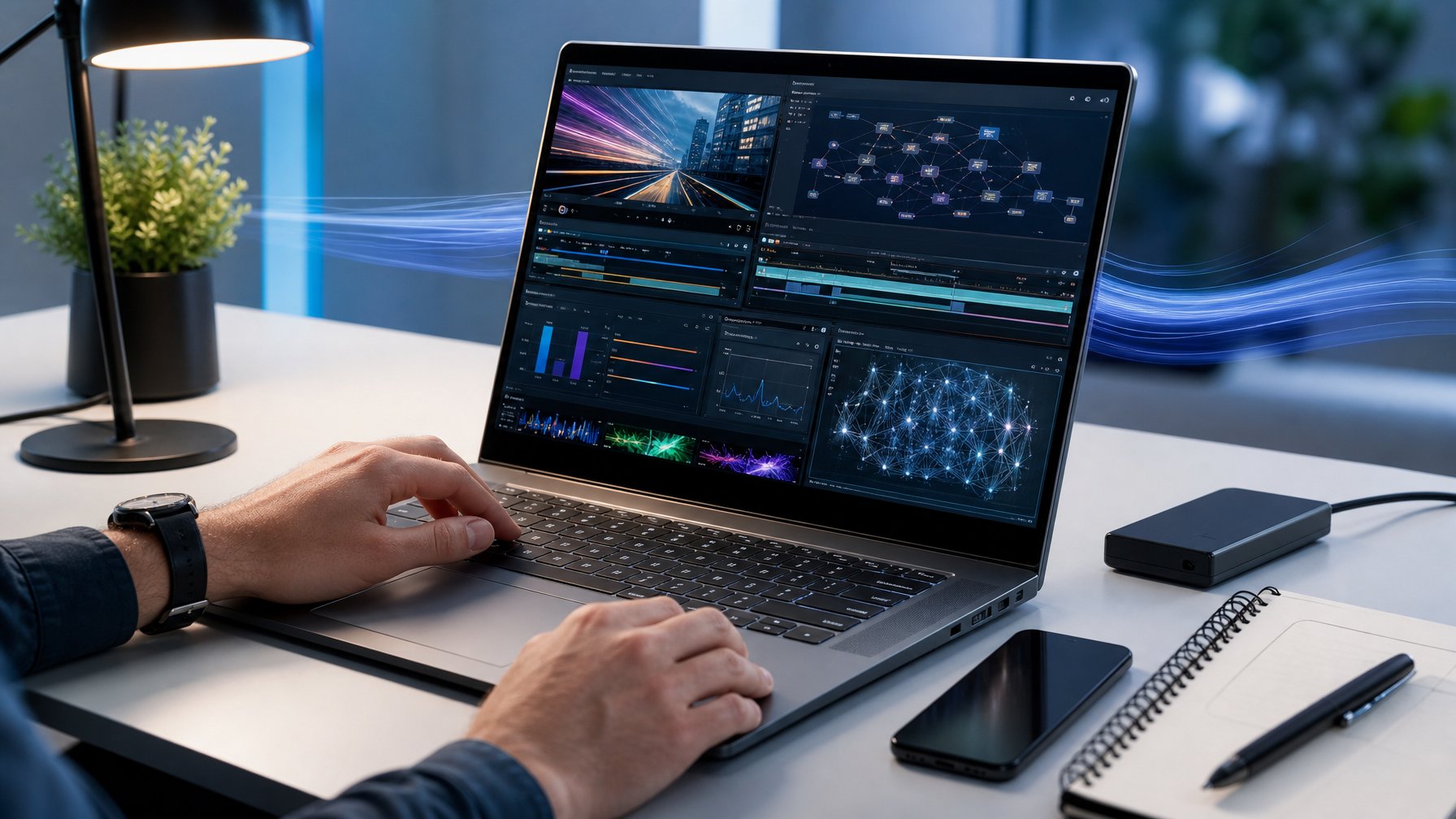
Sebuah laptop modern dengan desain futuristik di atas meja kerja minimalis, menampilkan elemen teknologi canggih yang melambangkan prosesor cepat dan baterai tahan lama.

Tahun 2026 menunjukkan perubahan signifikan dalam tren laptop, dengan fokus pada kebutuhan konsumen yang semakin spesifik, inovasi dalam desain, dan peningkatan kinerja dibandingkan tahun sebelumnya. Perkembangan teknologi ini menciptakan perangkat yang lebih efisien dan responsif.

Perubahan Kebutuhan Konsumen

Konsumen kini lebih mengutamakan kinerja, daya tahan baterai, dan portabilitas. Dalam era kerja hybrid, banyak pengguna yang mencari laptop dengan spesifikasi yang mendukung produktivitas dan kolaborasi yang lebih baik.

Fitur seperti layar sentuh, keyboard yang responsif, dan konektivitas yang lebih cepat mendapatkan perhatian lebih. Selain itu, preferensi untuk desain yang ringan dan ramping membuat produsen berkompetisi untuk menghadirkan laptop yang mudah dibawa dan digunakan di berbagai lingkungan.

Inovasi Desain dan Fungsionalitas

Tahun 2026 juga menyaksikan inovasi desain yang lebih berfokus pada ergonomi dan fungsionalitas. Laptop modern dilengkapi dengan bahan ringan namun kuat, serta konektor USB-C yang lebih universal.

Desain tanpa bezel dan layar dengan rasio aspek lebih luas meningkatkan pengalaman visual. Selain itu, beberapa model memasukkan teknologi AI untuk penyesuaian otomatis terhadap pengaturan kinerja dan pendinginan, menjadikannya lebih efisien.

Perbandingan dengan Tahun Sebelumnya

Dibandingkan dengan tahun 2025, laptop 2026 menyediakan prosesor yang lebih cepat dengan teknologi terbaru yang memungkinkan pengolahan data lebih cepat. Peningkatan RAM dan penyimpanan juga menjadi hal umum, dengan banyak model sekarang yang menawarkan minimal 16GB RAM dan 512GB SSD sebagai standar.

Dari sisi baterai, banyak produsen mengklaim daya tahan hingga 20 jam dalam penggunaan normal. Ini adalah peningkatan yang signifikan dibandingkan dengan tahun lalu, di mana rata-rata daya tahan baterai hanya sekitar 10-12 jam. Permintaan untuk pengalaman pengguna yang lebih baik terus mendorong inovasi.

Prosesor Generasi Terbaru untuk Laptop

Laptop tahun 2026 dilengkapi dengan prosesor generasi terbaru yang menawarkan peningkatan signifikan dalam hal efisiensi dan performa. Inovasi ini tidak hanya meningkatkan kecepatan pemrosesan, tetapi juga mengoptimalkan konsumsi daya untuk penggunaan yang lebih lama.

Arsitektur Prosesor yang Lebih Efisien

Prosesor modern kini menggunakan arsitektur yang dirancang untuk memaksimalkan aliran data dan mengurangi latensi. Arsitektur baru ini mengintegrasikan lebih banyak inti dalam ukuran yang lebih kecil, memungkinkan pemrosesan paralel yang lebih baik. Misalnya, teknologi chiplet membantu produsen membuat kombinasi inti khusus untuk aplikasi tertentu tanpa meningkatkan ukuran keseluruhan prosesor.

Kombinasi ini tidak hanya menyasar performa tugas berat seperti editing video dan gaming, tetapi juga tugas sehari-hari seperti browsing dan pengolahan dokumen. Dengan demikian, pengguna dapat merasakan kecepatan yang lebih konsisten dalam berbagai aktivitas mereka.

Performa Multithreading yang Ditingkatkan

Kemampuan multithreading sekarang menjadi salah satu fokus utama dalam pengembangan prosesor baru. Teknologi seperti Hyper-Threading telah diperbarui untuk mendukung lebih banyak utas per inti, sehingga meningkatkan performa dalam multitasking. Ini berarti laptop bisa menjalankan aplikasi lebih banyak secara bersamaan tanpa penurunan kecepatan yang signifikan.

Desain baru ini memungkinkan program-program berat berjalan lebih lancar, memberikan pengalaman pengguna yang lebih baik saat menjalankan perangkat lunak produktivitas atau aplikasi yang memerlukan daya komputasi tinggi. Pengguna dapat melihat perbedaan nyata saat menjalankan beberapa program sekaligus.

Dukungan AI dan Pemrosesan Cerdas

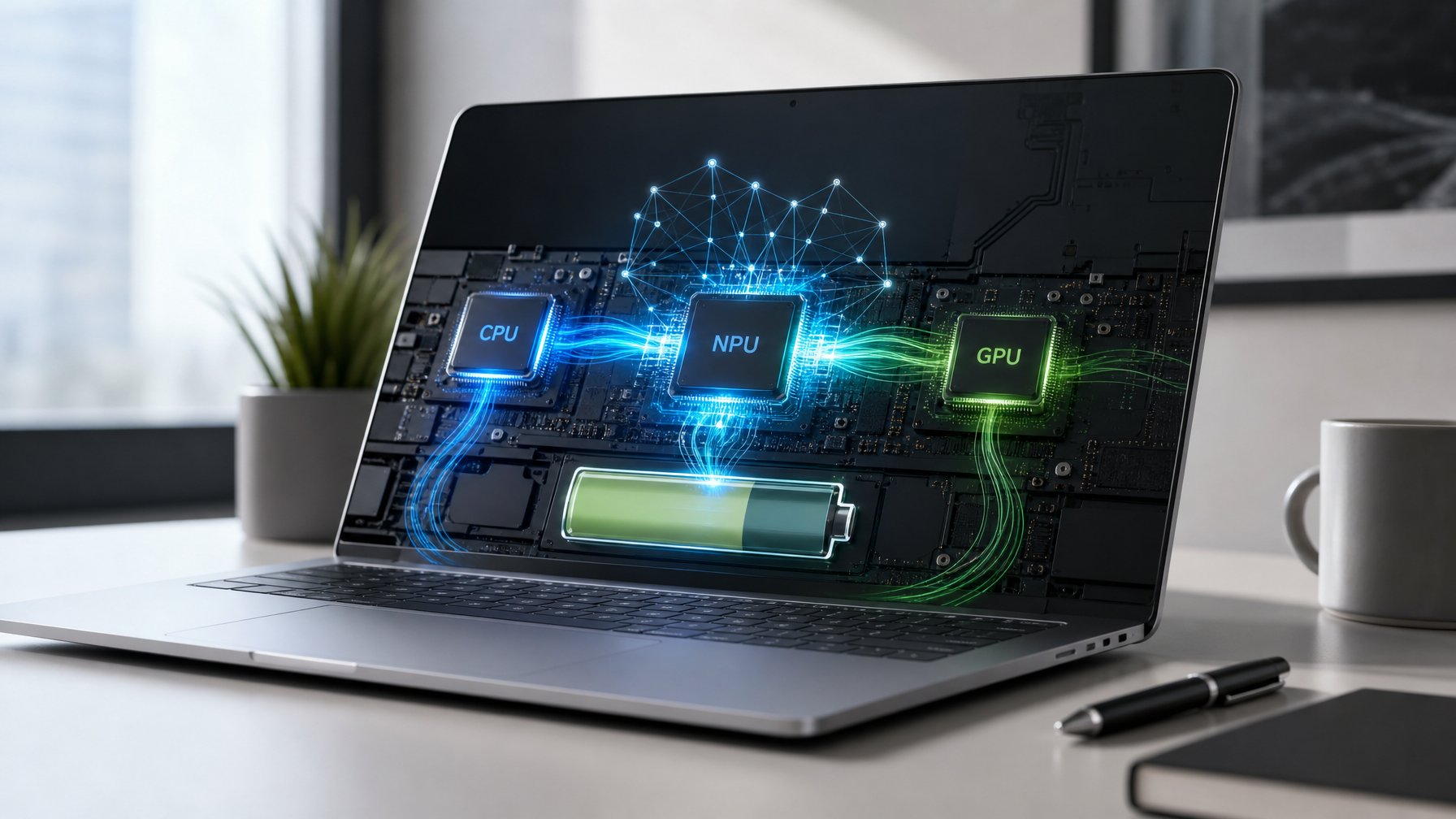
Prosesor generasi terbaru harus bisa beradaptasi dengan tren AI yang terus berkembang. Banyak dari unit pemrosesan ini kini dilengkapi dengan kemampuan pemrosesan cerdas yang memungkinkan eksekusi tugas berbasis AI secara lebih efisien. Ini termasuk pengenalan suara, pembelajaran mesin, dan analisis data real-time.

Keunggulan ini memungkinkan aplikasi inovatif semakin mudah diakses oleh pengguna sehari-hari. Misalnya, fungsi asisten virtual kini dapat berjalan lebih lancar tanpa lag, memudahkan interaksi. Dengan dukungan AI, laptop menjadi alat yang lebih intuitif dan responsif.

Pengaruh pada Efisiensi Energi

Dengan arsitektur yang lebih efisien dan peningkatan performa, prosesor baru juga fokus pada penghematan energi. Teknologi seperti manajemen daya cerdas memungkinkan prosesor menyesuaikan konsumsi daya secara dinamis. Ini berarti saat laptop tidak digunakan secara maksimal, konsumsi daya dapat dikurangi secara signifikan.

Hasilnya adalah masa pakai baterai yang lebih lama untuk pengguna, memungkinkan mereka untuk bekerja lebih lama tanpa perlu mengisi daya. Efisiensi ini juga berdampak positif terhadap lingkungan dengan mengurangi konsumsi energi secara keseluruhan. Peningkatan efisiensi ini menjadikan laptop dengan prosesor baru lebih ramah lingkungan dan praktis untuk digunakan.

Teknologi Peningkatan Daya Tahan Baterai

Perkembangan teknologi baterai pada laptop tahun 2026 menghadirkan inovasi-inovasi yang signifikan. Teknologi ini mencakup penggunaan material baru, optimalisasi manajemen daya, dan sistem pengisian cepat yang memberikan efisiensi lebih besar.

Material Baru pada Baterai Laptop

Baterai laptop kini menggunakan material canggih seperti lithium-zinc dan solid-state. Material ini menggantikan lithium-ion standar, memberikan kinerja yang lebih baik. Baterai solid-state, misalnya, memiliki kepadatan energi lebih tinggi dan lebih aman.

  • Kelebihan:
    • Daya tahan lebih lama.
    • Risiko overheating berkurang.
    • Efisiensi energi yang lebih tinggi.

Penggunaan material baru ini juga memungkinkan baterai untuk diisi ulang lebih cepat dan bertahan lebih lama pada pengisian penuh. Hal ini meningkatkan kenyamanan penggunaan laptop dalam berbagai situasi.

Optimalisasi Manajemen Daya

Laptop terbaru dilengkapi dengan sistem manajemen daya yang lebih canggih. Penggunaan perangkat lunak yang pintar dapat mengatur konsumsi energi dengan lebih efisien, menyesuaikan penggunaan sumber daya berdasarkan aktivitas pengguna.

  • Fitur utama:
    • Pemantauan aplikasi yang berjalan.
    • Penyesuaian kecerahan layar otomatis.
    • Mode hemat daya yang mudah diakses.

Dengan fitur-fitur ini, pengguna bisa menghemat daya saat tidak memerlukan kinerja maksimal, sehingga memperpanjang waktu penggunaan baterai tanpa perlu pengisian ulang secara berkala.

Pengisian Cepat dan Daya Tahan Lama

Teknologi pengisian cepat kini menjadi standar dalam laptop. Dengan pengisian daya yang inovatif, banyak laptop dapat terisi hingga 75% hanya dalam 30 menit. Ini sangat penting bagi pengguna yang sering bepergian.

  • Keunggulan:
    • Mengurangi waktu downtime.
    • Memungkinkan penggunaan intensif tanpa khawatir kehabisan baterai.
    • Pengembangan charger yang lebih efisien.

Daya tahan baterai yang lebih lama, dipadukan dengan pengisian yang cepat, memberikan solusi praktis bagi pengguna yang memerlukan laptop untuk bekerja dalam waktu yang lebih panjang dan lebih produktif.

Pengaruh Prosesor Cepat terhadap Performa Laptop

Prosesor yang lebih cepat pada laptop tahun 2026 memberikan dampak signifikan pada berbagai aspek, termasuk pengalaman pengguna, performa gaming, dan produktivitas kerja. Pengembangan dalam teknologi prosesor ini memungkinkan laptop beroperasi lebih efisien dan responsif.

Pengalaman Pengguna yang Ditingkatkan

Dengan prosesor yang lebih cepat, pengguna merasakan peningkatan signifikan dalam kecepatan dan responsivitas sistem. Pembukaan aplikasi menjadi lebih cepat, dan transisi antar tugas berlangsung tanpa lag. Ini penting bagi mereka yang menjalankan aplikasi berat seperti perangkat lunak desain grafis, pengeditan video, atau bahkan multitasking dengan banyak jendela aktif. Kecepatan pemrosesan ini juga mengurangi waktu tunggu saat mengakses data atau menjalankan program, membuat pengalaman keseluruhan menjadi lebih lancar.

Performa Gaming dan Multimedia

Prosesor yang lebih canggih berkontribusi pada peningkatan performa gaming dan multimedia di laptop. Dengan clock speed yang lebih tinggi, laptop dapat mengelola frame rate yang lebih baik, menghasilkan pengalaman bermain game yang lebih halus dan responsif. Pengguna dapat menikmati grafis yang lebih kaya dan detail yang lebih mendalam dalam game modern. Selain itu, pengolahan video juga menjadi lebih efisien. Streaming video berkualitas tinggi dan pengeditan multimedia menjadi lebih nyaman tanpa masalah buffering atau lag.

Dampak pada Produktivitas Kerja

Dalam konteks produktivitas, prosesor yang cepat berperan dalam mendongkrak efisiensi kerja. Dengan waktu respons yang lebih cepat, pekerjaan yang membutuhkan analisis data atau perangkat lunak komputasi menjadi lebih efektif. Manajer proyek, misalnya, dapat melakukan pengolahan data dalam hitungan detik, berkat kekuatan pemrosesan yang superior. Selain itu, aplikasi office yang sering digunakan untuk bekerja tetap berfungsi tanpa kendala, memungkinkan kolaborasi dan komunikasi yang lebih baik di antara tim.

Laptop Ramah Lingkungan dan Efisiensi Energi

Laptop modern semakin memperhatikan dampak lingkungan dan efisiensi energi. Dengan inovasi dalam daur ulang material dan teknologi hemat energi, produsen berusaha mengurangi jejak karbon dan mendukung keberlanjutan.

Daur Ulang Komponen dan Material

Perusahaan laptop mulai memanfaatkan bahan daur ulang dalam produksi perangkat mereka. Misalnya, penggunaan plastik daur ulang dan logam bekas dalam casing laptop mengurangi kebutuhan bahan baru.

Selain itu, beberapa produsen menawarkan program pengembalian atau daur ulang untuk perangkat lama. Ini memungkinkan pengguna menyerahkan laptop yang tidak terpakai, sehingga komponen dapat diproses dan digunakan kembali.

Langkah-langkah ini tidak hanya mengurangi limbah, tapi juga menghemat energi yang dibutuhkan dalam pembuatan bahan baru. Dengan mempromosikan daur ulang, laptop ramah lingkungan membantu menciptakan siklus penggunaan yang lebih berkelanjutan.

Teknologi Hemat Energi

Teknologi hemat energi adalah aspek penting dalam laptop ramah lingkungan. Banyak perangkat baru dilengkapi dengan chip dan komponen yang dirancang untuk meminimalkan konsumsi daya. Prosesornya, misalnya, dirancang untuk mengurangi penggunaan energi ketika tidak dalam beban kerja berat.

Penerapan panel LED dalam layar juga berkontribusi pada efisiensi energi. Panel ini lebih hemat dibandingkan dengan teknologi sebelumnya, memberikan kecerahan lebih dengan konsumsi listrik yang lebih rendah.

Baterai lithium-ion terbaru dilengkapi dengan manajemen daya cerdas yang memperpanjang umur baterai dan mengurangi frekuensi pengisian ulang. Ini memberi dampak positif terhadap pemakaian energi secara keseluruhan, menjadikan laptop pilihan yang lebih efisien untuk pengguna yang peduli lingkungan.

Perubahan Ekosistem Perangkat Lunak

Perkembangan teknologi laptop di 2026 membawa perubahan signifikan dalam ekosistem perangkat lunak. Ada penyesuaian yang diperlukan untuk memaksimalkan kemampuan prosesor baru dan inovasi dalam aplikasi yang mendukung teknologi terbaru.

Optimasi Sistem Operasi untuk Prosesor Baru

Sistem operasi kini dirancang untuk beradaptasi dengan arsitektur prosesor terbaru, seperti ARM dan x86 generasi terkini. Optimasi ini bertujuan untuk meningkatkan efisiensi pemrosesan data dan mempercepat respons sistem.

Penggunaan algoritma pengelolaan energi yang lebih baik membantu sistem operasi memanfaatkan baterai secara efisien. Fitur ini mengurangi konsumsi daya saat laptop tidak aktif, memperpanjang masa pakai baterai.

Selain itu, peningkatan modul driver memungkinkan perangkat keras baru berfungsi tanpa hambatan. Hal ini penting untuk konsistensi dan kestabilan dalam penggunaan sehari-hari.

Aplikasi yang Mendukung Teknologi Terbaru

Aplikasi di tahun 2026 dirancang untuk memanfaatkan spesifikasi perangkat keras modern. Perangkat lunak produktivitas, seperti office suites dan alat kolaborasi, mengalami pembaruan untuk menyokong performa tinggi.

Pengembang perangkat lunak kini lebih fokus pada pengalaman pengguna dengan antarmuka yang responsif dan intuitif. Aplikasi berbasis cloud juga semakin populer, memungkinkan akses cepat dan kolaborasi tanpa batas.

Dengan dukungan untuk teknologi seperti kecerdasan buatan, aplikasi bisa menawarkan fitur yang lebih canggih. Contohnya, aplikasi editing video kini menggunakan pengolahan real-time yang memanfaatkan kekuatan prosesor dengan efisien.

Prediksi Masa Depan Laptop Setelah 2026

Inovasi dalam teknologi laptop terus berlanjut dengan pesat. Di masa depan, laptop diharapkan tidak hanya lebih cepat, tetapi juga lebih efisien dan serbaguna dalam memenuhi kebutuhan pengguna.

Inovasi yang Diharapkan

Pengembangan prosesor yang lebih canggih, seperti arsitektur berbasis AI, adalah salah satu inovasi yang mungkin terjadi. Prosesor baru ini diharapkan dapat menghadirkan kecepatan pemrosesan yang lebih tinggi dengan konsumsi energi yang lebih rendah.

Konektivitas juga menjadi fokus utama. Laptop akan menawarkan dukungan untuk jaringan 6G dan teknologi konektivitas nirkabel yang jauh lebih cepat. Hal ini akan meningkatkan pengalaman streaming, gaming, dan kolaborasi online.

Baterai dengan teknologi baru, seperti solid-state atau grafena, juga diperkirakan akan meningkatkan daya tahan serta waktu pengisian daya. Ini akan menjadikan laptop lebih portable dan praktis bagi pengguna yang sering berpindah tempat.

Peran Laptop di Era Digital

Laptop akan terus menjadi alat penting dalam dunia digital yang berkembang. Dengan semakin banyaknya pekerjaan dan pendidikan yang dilakukan secara online, kebutuhan akan laptop yang handal akan semakin meningkat.

Kolaborasi antar perangkat juga akan menjadi semakin relevan. Laptop diharapkan dapat secara mulus terhubung dengan perangkat pintar lainnya, menjadikannya pusat kontrol bagi pengguna.

Keamanan akan menjadi fokus utama dalam desain laptop masa depan. teknologi enkripsi yang lebih kuat dan fitur keamanan biometrik diharapkan dapat melindungi data pengguna dengan lebih baik.

Dengan perkembangan teknologi ini, laptop akan menjadi lebih dari sekadar alat; ia akan berfungsi sebagai ekosistem yang mendukung berbagai aspek kehidupan digital.

Perbandingan Spesifikasi Laptop Tahun Ini Vs Tahun Sebelumnya: Tren dan Inovasi Terbaru

Perbandingan Spesifikasi Laptop Tahun Ini Vs Tahun Sebelumnya: Tren dan Inovasi Terbaru

Pada tahun ini, spesifikasi laptop mengalami peningkatan signifikan dibandingkan dengan tahun sebelumnya. Kualitas prosesor, kapasitas RAM, dan kemampuan grafis menjadi fokus utama para produsen untuk memenuhi kebutuhan pengguna yang semakin tinggi. Perbandingan ini menunjukkan bahwa laptop tahun ini cenderung menawarkan performa yang lebih baik dan fitur inovatif yang menjadikan pengalaman pengguna lebih optimal.

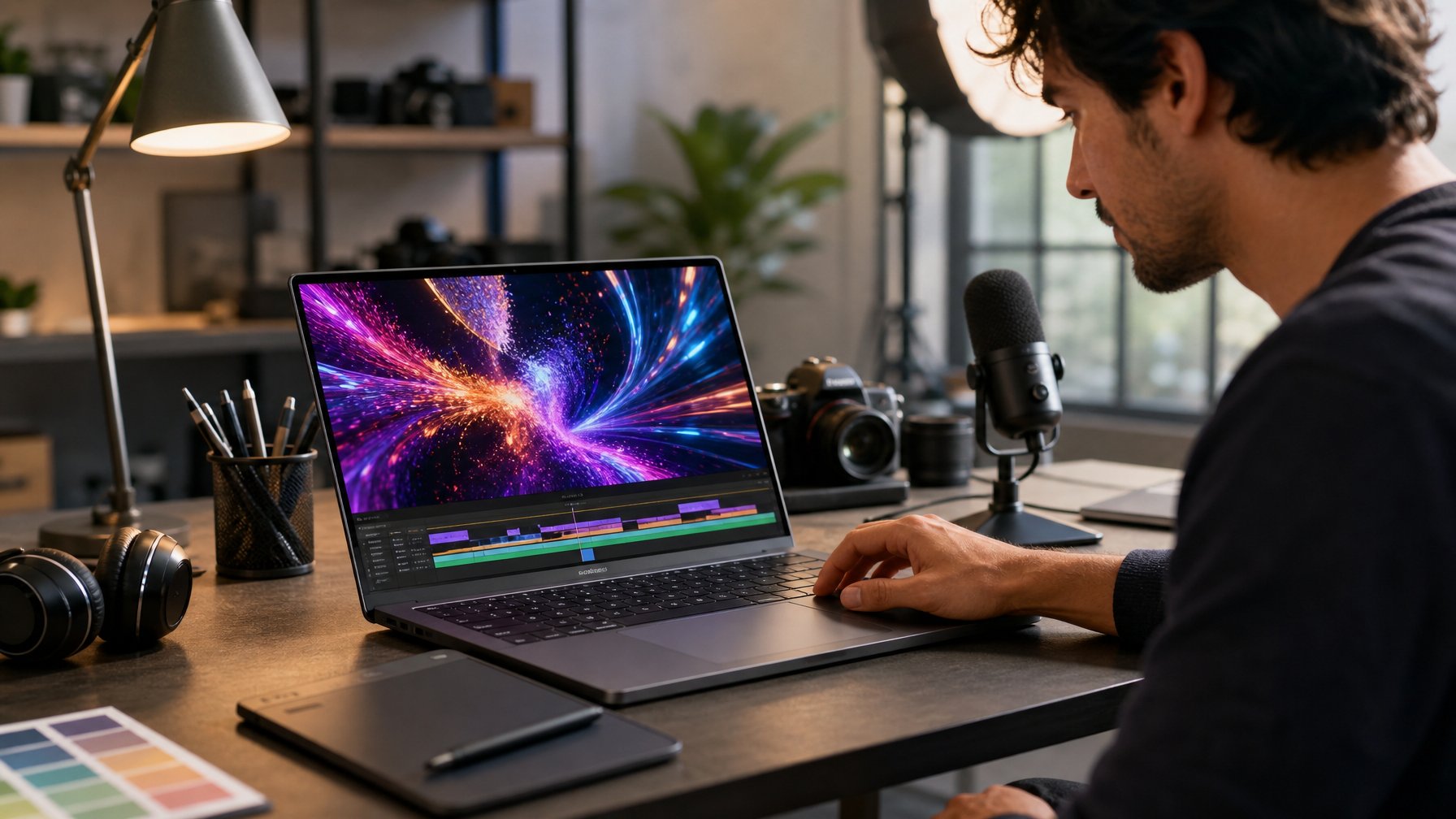
Dua laptop berdampingan di atas meja kerja dengan perlengkapan kantor di sekitar, menunjukkan perbandingan antara model tahun ini dan tahun sebelumnya.

Pengguna kini dapat menikmati fitur seperti layar dengan resolusi lebih tinggi, waktu baterai yang lebih lama, dan teknologi pengisian daya cepat. Hal-hal ini merupakan respons terhadap pola penggunaan yang berkembang, terutama dalam bekerja dari rumah dan hiburan digital. Dengan lebih banyak pilihan, konsumen memiliki kesempatan untuk menemukan perangkat yang sesuai dengan kebutuhan mereka.

Dengan berbagai kompetisi di pasar laptop, perbandingan spesifikasi menjadi penting untuk membantu pembeli mengambil keputusan yang lebih informasional. Informasi ini akan menggali berbagai aspek untuk memberi gambaran jelas tentang apa yang ditawarkan oleh laptop terbaru dibandingkan alternatif tahun lalu.

Gambaran Umum Tren Perkembangan Laptop

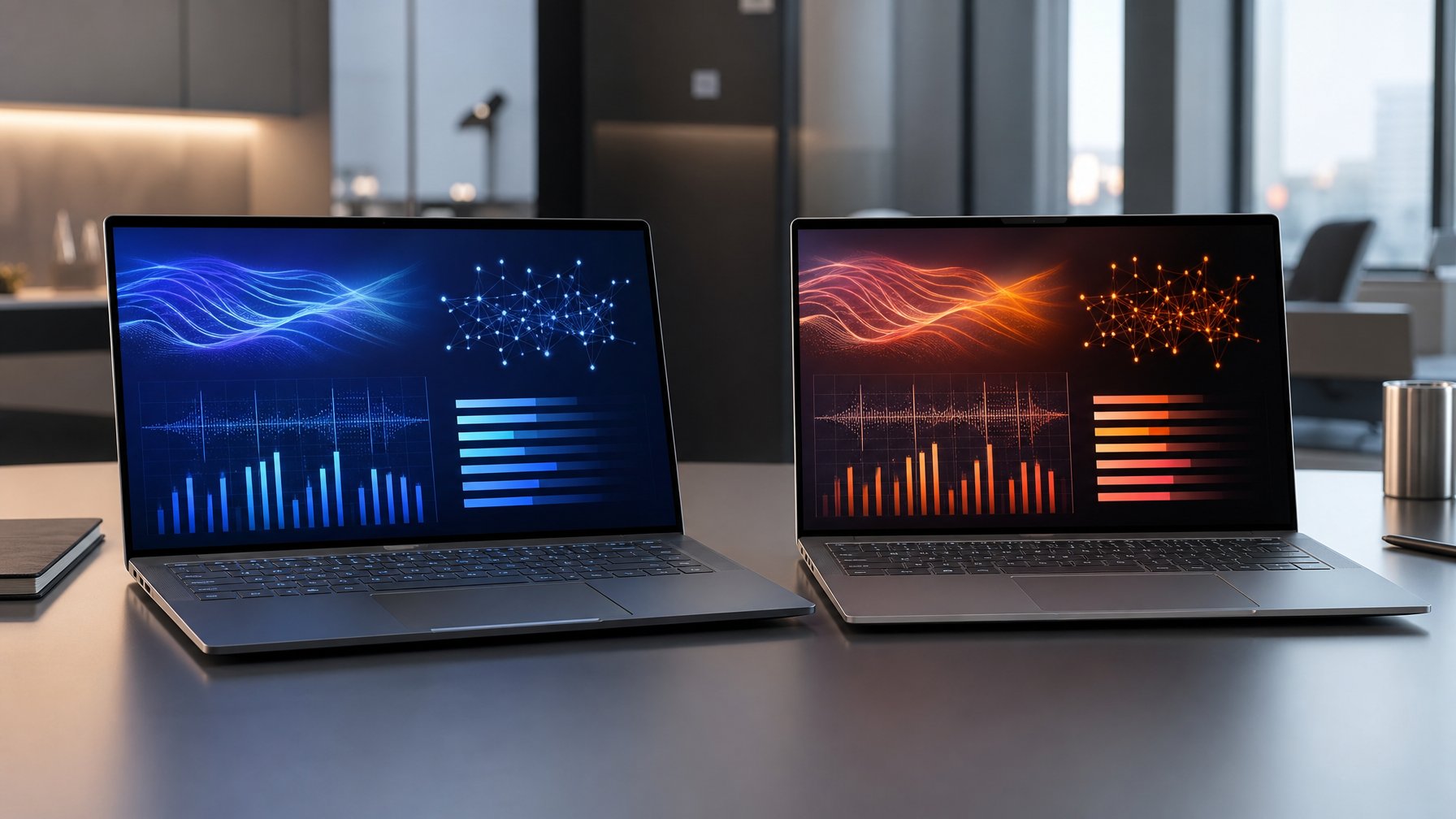
Dua laptop berdampingan di atas meja kerja dengan grafik perbandingan spesifikasi laptop tahun ini dan tahun sebelumnya.

Setiap tahun, perkembangan teknologi laptop menunjukkan perubahan signifikan. Tren ini dipengaruhi oleh inovasi, kebutuhan pengguna, dan dampak teknologi baru yang mengubah pasar.

Ringkasan Inovasi dari Tahun Sebelumnya ke Tahun Ini

Perbandingan spesifikasi laptop dari tahun ini dengan tahun sebelumnya menunjukkan peningkatan dalam beberapa aspek. Prosesor kini didominasi oleh teknologi generasi terbaru, seperti Intel Core dan AMD Ryzen, yang menawarkan performa lebih cepat dan efisiensi energi yang lebih baik.

Contoh spesifikasi:

Spesifikasi Tahun Lalu Tahun Ini
Prosesor Intel i7-10750H Intel i7-13700H
RAM 16 GB DDR4 32 GB DDR5
Penyimpanan 512 GB SSD 1 TB SSD NVMe

Peningkatan RAM menjadi lebih umum, dengan varian 32 GB menjadi pilihan yang lebih accessible. Penyimpanan juga mendapatkan perbaikan, dengan kecepatan akses yang lebih tinggi melalui SSD NVMe.

Faktor Pendorong Perubahan Spesifikasi

Perubahan spesifikasi laptop tidak lepas dari beberapa faktor pendorong. Permintaan untuk pengalaman gaming yang lebih baik dan pekerjaan berbasis grafis telah menciptakan kebutuhan akan komponen yang lebih kuat.

Konsumen kini mengutamakan laptop dengan fitur seperti layar lebih besar dengan resolusi tinggi dan frame rate yang lebih baik. Selain itu, adanya tren remote working meningkatkan kebutuhan akan konektivitas dan daya tahan baterai yang lebih lama.

Faktor lain yang tak kalah penting adalah faktor lingkungan. Perusahaan semakin memperhatikan efisiensi energi dalam desain, yang mendorong pemakaian komponen ramah lingkungan.

Dampak Teknologi Baru terhadap Pasar Laptop

Dampak teknologi baru jelas terlihat dalam dinamika pasar laptop. Dengan munculnya chip AI di dalam laptop, pengguna kini mendapatkan fitur tambahan seperti pengenalan suara yang lebih baik dan pengolahan grafik yang lebih cepat.

Tren seperti penggunaan layar OLED menambah kualitas visual yang luar biasa, memperkaya pengalaman menonton dan bekerja. Perubahan ini menarik perhatian penggemar multimedia dan profesional kreatif sekaligus.

Perkembangan teknologi pengisian daya cepat juga menjadi sorotan. Dengan kemampuan pengisian lebih cepat, pengguna bisa kembali menggunakan laptop mereka dalam waktu singkat, meningkatkan produktivitas tanpa harus menunggu lama.

Perbandingan Prosesor dan Performa

Perbandingan spesifikasi prosesor dan performa antara laptop tahun ini dan tahun sebelumnya menunjukkan kemajuan signifikan dalam teknologi. Beberapa aspek kunci meliputi segmentasi prosesor, kecepatan komputasi, dan efisiensi daya yang menjadi perhatian utama.

Segmentasi Prosesor: Tahun Ini vs Tahun Sebelumnya

Laptop tahun ini menawarkan variasi prosesor yang lebih luas dengan teknologi terkini, seperti Intel Core generasi ke-13 dan AMD Ryzen 7000. Prosesor ini memberikan performa yang lebih baik pada segmen entry-level hingga high-end. Sebagai contoh, Intel Core i5-13500 memiliki peningkatan performa hingga 15% dibandingkan generasi sebelumnya.

Di sisi lain, segmen gaming semakin diperkuat dengan hadirnya prosesor multi-core yang mendukung multitasking. Pada laptop tahun lalu, sebagian besar model menggunakan Intel Core 11 atau 12 yang, meski masih kompetitif, kini kalah dalam hal efisiensi dan kecepatan.

Peningkatan Kecepatan Komputasi

Kecepatan komputasi pada laptop tahun ini telah meningkat berkat arsitektur baru dan teknologi fabrikasi yang lebih canggih. Prosesor yang dirilis tahun ini sering kali mengandalkan teknologi 10nm yang menambah jumlah transistor, sehingga meningkatkan performa pemrosesan.

Misalnya, peningkatan Turbo Boost pada beberapa model memberikan kecepatan maksimum hingga 5 GHz. Hal ini membuat laptop lebih responsif saat menjalankan aplikasi berat, seperti perangkat lunak desain grafis dan game terbaru. Dengan demikian, pengguna laptop tahun ini dapat mengharapkan pengalaman komputasi yang lebih cepat dan lancar.

Efisiensi Daya dan Konsumsi Energi

Salah satu fokus utama dari pengembangan prosesor terbaru adalah efisiensi daya. Prosesor baru dirancang dengan fitur yang mengurangi konsumsi energi, memungkinkan penggunaan yang lebih lama tanpa mengorbankan performa.

Laptop tahun ini biasanya memiliki TDP (Thermal Design Power) yang lebih rendah dibandingkan model tahun sebelumnya. Hal ini terlihat pada prosesor seperti AMD Ryzen 7 7735HS yang menyeimbangkan kinerja tinggi dengan konsumsi energi rendah. Dengan efisiensi 15-20% lebih baik, pengguna dapat menikmati laptop yang lebih hemat energi sekaligus meningkatkan daya tahan baterai.

Memori dan Penyimpanan

Memori dan penyimpanan merupakan faktor penting dalam kinerja laptop. Pada tahun ini, terdapat peningkatan signifikan dalam kapasitas dan jenis RAM, serta pembaruan teknologi pada SSD dan HDD. Peningkatan ini tidak hanya meningkatkan kecepatan, tetapi juga efisiensi dalam penggunaan energi.

Kapasitas dan Jenis RAM

Laptop tahun ini menawarkan kapasitas RAM yang lebih tinggi dibanding tahun sebelumnya. Sebagian besar model baru kini tersedia dengan RAM 16 GB hingga 32 GB, sementara model sebelumnya biasanya hanya mencapai 8 GB. Jenis RAM yang dominan adalah DDR4, namun beberapa laptop high-end mulai menggunakan DDR5, yang menawarkan kecepatan transfer data yang lebih tinggi dan efisiensi energi yang lebih baik.

Pentingnya RAM yang lebih besar terlihat pada multitasking dan penggunaan aplikasi berat, seperti perangkat lunak desain dan pengeditan video. Dengan kapasitas lebih besar, pengguna dapat menjalankan lebih banyak aplikasi secara bersamaan tanpa mengalami penurunan kinerja. Selain itu, kecepatan yang ditawarkan oleh RAM generasi baru mendukung peningkatan dalam pengalaman keseluruhan saat menggunakan laptop.

Pembaruan Teknologi SSD dan HDD

Pembaruan terhadap teknologi penyimpanan juga layak untuk diperhatikan. SSD kini menjadi standar utama di laptop, menawarkan kecepatan baca-tulis yang jauh lebih tinggi dibandingkan HDD tradisional. Laptop baru sering dilengkapi dengan SSD NVMe, yang memberikan kecepatan yang lebih tinggi lagi dibandingkan SSD SATA.

Kapasitas penyimpanan SSD juga meningkat, dengan opsi yang mencapai 1 TB dan 2 TB dengan semakin terjangkaunya biaya. Di sisi lain, HDD masih hadir untuk model yang lebih terjangkau, sering kali menawarkan kapasitas yang lebih besar namun dengan kecepatan yang lebih rendah. Ketersediaan hybrid storage, yang menggabungkan SSD dan HDD dalam satu perangkat, memungkinkan pengguna untuk memanfaatkan kecepatan SSD dan kapasitas HDD secara bersamaan.

Layar dan Resolusi

Perbandingan spesifikasi layar dan resolusi laptop tahun ini dengan tahun sebelumnya menunjukkan kemajuan signifikan dalam ukuran, kualitas tampilan, dan teknologi panel yang digunakan. Berbagai fitur baru memberikan pengalaman visual yang lebih baik dan memenuhi kebutuhan pengguna modern.

Ukuran Layar dan Kualitas Tampilan

Laptop tahun ini umumnya menawarkan ukuran layar yang lebih bervariasi dibandingkan dengan tahun lalu. Ukuran layar yang umum berkisar antara 13 hingga 17 inci, dengan beberapa model ultrabook menyediakan pilihan yang lebih kecil.

Kualitas tampilan juga telah meningkat, berkat teknologi yang lebih maju. Banyak perangkat kini menggunakan resolusi Full HD (1920 x 1080), sementara spesifikasi lebih tinggi seperti 4K (3840 x 2160) semakin banyak tersedia. Panel IPS mulai menjadi standar untuk memberikan sudut pandang yang lebih baik dan reproduksi warna yang lebih akurat.

Refresh Rate dan Fitur Visual

Refresh rate adalah aspek penting dalam pengalaman visual. Laptop terbaru sering kali dilengkapi dengan refresh rate 120Hz atau bahkan 144Hz, meningkatkan kelancaran saat bermain game atau menonton video. Model-model ini juga menawarkan teknologi adaptive sync, seperti NVIDIA G-Sync atau AMD FreeSync, yang mengurangi tearing dan stuttering saat bermain.

Fitur visual tambahan seperti HDR (High Dynamic Range) semakin umum, memungkinkan tampilan yang lebih jelas dan warna yang lebih hidup. Ini membuat konten multimedia lebih menarik dan memuaskan.

Perbandingan Teknologi Panel

Dalam hal teknologi panel, laptop tahun ini lebih banyak menggunakan panel OLED, yang menawarkan kontras yang lebih tinggi dan warna yang lebih kaya dibandingkan dengan panel LED tradisional. Panel OLED juga lebih efisien dalam konsumsi daya, meskipun harganya cenderung lebih tinggi.

Sementara itu, teknologi mini-LED juga diperkenalkan, menyediakan kecerahan yang lebih baik dan kontrol backlight yang lebih presisi. Selain itu, teknologi ini mendukung variasi warna yang lebih luas, memberikan pengalaman menonton yang superior.

Baterai dan Daya Tahan

Perbedaan spesifikasi laptop tahun ini dan tahun sebelumnya mencakup kemajuan signifikan dalam kapasitas baterai, efisiensi penggunaan daya, dan teknologi pengisian cepat. Aspek-aspek ini sangat penting untuk pengguna yang mencari performa optimal dan daya tahan yang lebih lama.

Kapasitas Baterai

Kapasitas baterai laptop tahun ini umumnya lebih tinggi dibandingkan dengan model tahun sebelumnya. Laptop terbaru sering hadir dengan baterai berkapasitas antara 50 hingga 100 Wh, memberikan waktu penggunaan yang lebih lama. Misalnya, beberapa model baru menawarkan waktu pemakaian hingga 12 jam dengan penggunaan normal.

Kenaikan kapasitas ini berkat penggunaan teknologi sel baterai yang lebih efisien, seperti lithium polymer, yang menyediakan daya lebih besar dalam ukuran yang lebih kecil. Hal ini memungkinkan desain laptop yang lebih ramping dan ringan tanpa mengorbankan daya tahan.

Efisiensi Penggunaan Daya

Dalam hal efisiensi penggunaan daya, banyak laptop baru telah dibekali dengan prosesor yang lebih hemat energi, seperti Intel Core Generasi ke-11 dan AMD Ryzen 5000. Prosesor ini memiliki kemampuan untuk mengatur performa berdasarkan kebutuhan, sehingga mengurangi konsumsi daya saat tidak diperlukan.

Selain itu, pengaturan perangkat lunak yang lebih baik juga berkontribusi pada efisiensi ini. Pengguna dapat dengan mudah menyesuaikan pengaturan daya sesuai kebutuhan, seperti mode hemat daya, yang menyesuaikan kecerahan layar dan mematikan perangkat keras yang tidak perlu.

Teknologi Pengisian Cepat

Laptop tahun ini juga dilengkapi dengan teknologi pengisian cepat. Beberapa model dapat terisi hingga 80% hanya dalam waktu 30 menit. Ini sangat berguna bagi pengguna yang sering dalam perjalanan dan tidak memiliki banyak waktu untuk mengisi daya.

Teknologi seperti USB-C Power Delivery semakin umum, memungkinkan laptop untuk diisi dengan adaptor yang lebih serbaguna dan cepat. Dengan pengisian cepat, pengguna mendapatkan kenyamanan lebih dan dapat kembali bekerja dengan lebih cepat setelah pengisian daya.

Desain, Bobot, dan Portabilitas

Tahun ini, laptop yang diluncurkan menawarkan berbagai inovasi dalam desain, bobot, dan portabilitas dibandingkan dengan model tahun sebelumnya. Perubahan-perubahan ini mencerminkan kebutuhan pengguna akan perangkat yang lebih ringan dan mudah dibawa, serta tampilan yang lebih menarik.

Perubahan Desain Eksterior

Desain eksterior laptop terbaru menunjukkan tren yang lebih minimalis dan sleek dengan bezel yang lebih tipis. Banyak produsen kini menggunakan warna matte dan finishing premium, seperti aluminium dan magnesium, untuk memberikan kesan modern dan elegan. Penempatan port juga diperbarui untuk meningkatkan aksesibilitas, memudahkan pengguna saat menghubungkan perangkat tambahan. Beberapa model juga menampilkan keyboard yang lebih ergonomis dengan backlight yang lebih cerah, meningkatkan kenyamanan saat mengetik dalam kondisi pencahayaan rendah.

Reduksi Berat dan Dimensi

Laptop yang dirilis tahun ini mengalami pengurangan bobot signifikan dibandingkan tahun lalu. Rata-rata, bobot laptop terbaru berkisar antara 1.2 kg hingga 2.0 kg, tergantung pada spesifikasi dan ukuran layarnya. Dimensi juga semakin ramping, dengan beberapa model memiliki ketebalan kurang dari 15 mm. Reduksi ini tidak hanya memudahkan mobilitas, tetapi juga menjadikan laptop lebih nyaman untuk digunakan dalam perjalanan. Ketepatan desain memungkinkan pengguna untuk menyelipkan perangkat dengan mudah ke dalam tas tanpa memerlukan ruang tambahan.

Material dan Durabilitas Chassis

Material yang digunakan dalam chassis laptop baru ditingkatkan untuk menghadirkan kombinasi antara ringan dan kekuatan. Penggunaan material seperti karbida dan magnesium-alloy memberikan ketahanan yang lebih baik terhadap benturan. Komponen pengunci dan engsel juga dirancang lebih kuat untuk memastikan daya tahan dalam penggunaan jangka panjang. Beberapa produsen juga menawarkan perlindungan tambahan terhadap air dan debu, menjaga laptop tetap aman di berbagai kondisi penggunaan. Kualitas konstruksi ini penting untuk mendukung mobilitas tanpa mengorbankan ketahanan perangkat.

Konektivitas dan Port

Pada tahun ini, spesifikasi laptop menunjukkan peningkatan yang signifikan dalam konektivitas dan port. Beberapa tren baru terlihat, terutama dalam perubahan standar port dan evolusi konektivitas nirkabel yang relevan bagi pengguna.

Perubahan Standar Port

Standar port pada laptop mengalami transformasi penting. Tahun ini, banyak laptop mulai mengadopsi USB-C sebagai port utama. Ini menawarkan kemampuan untuk transfer data yang lebih cepat dan pengisian daya yang efisien.

Port Tahun Sebelumnya Tahun Ini
USB-A Umum Menurun
USB-C Muncul terbatas Utama
HDMI Dipertahankan Dipertahankan
Thunderbolt Tersedia Ditingkatkan

Dengan munculnya Thunderbolt 4, kecepatan transfer data meningkat hingga 40 Gbps, yang mendukung penghubungan multiple display. Port HDMI tetap ada untuk kompatibilitas dengan perangkat lama. Evolusi ini memudahkan pengguna untuk menghubungkan berbagai perangkat.

Evolusi Konektivitas Nirkabel

Konektivitas nirkabel juga mengalami kemajuan, terutama dalam implementasi Wi-Fi 6 dan Bluetooth 5.2. Wi-Fi 6 menawarkan kecepatan yang lebih tinggi dan efisiensi yang lebih baik dalam lingkungan padat.

Wi-Fi 6 memperkenalkan teknologi OFDMA yang memungkinkan pengiriman data lebih efisien kepada banyak perangkat secara bersamaan. Sedangkan, Bluetooth 5.2 memungkinkan jangkauan yang lebih jauh dan kualitas audio yang lebih baik melalui codec yang lebih canggih.

Perbandingan berikut menjelaskan kemajuan ini:

Teknologi Tahun Sebelumnya Tahun Ini
Wi-Fi Wi-Fi 5 Wi-Fi 6
Bluetooth Bluetooth 5.0 Bluetooth 5.2

Perkembangan ini memberi pengguna konektivitas yang lebih baik untuk pengalaman menggunakan laptop.

Keamanan dan Fitur Tambahan

Tahun ini, laptop menawarkan peningkatan signifikan dalam hal keamanan dan inovasi fitur tambahan. Dengan ancaman siber yang terus berkembang, produsen fokus pada melindungi data pengguna. Selain itu, berbagai fitur inovatif ditambahkan untuk meningkatkan pengalaman pengguna.

Peningkatan Fitur Keamanan

Keamanan laptop tahun ini mendapatkan perhatian lebih, dengan banyak model terbaru dilengkapi dengan chip keamanan seperti TPM (Trusted Platform Module). Chip ini membantu mengenkripsi data dan melindungi kata sandi dengan cara yang lebih aman dibandingkan sebelumnya.

Selain itu, banyak laptop sekarang menyediakan pembaca sidik jari dan pengakuan wajah untuk otentikasi. Fitur-fitur ini tidak hanya memudahkan akses pengguna tetapi juga meningkatkan tingkat keamanan secara keseluruhan. Beberapa model bahkan menawarkan enkripsi disk penuh, yang melindungi data bahkan jika perangkat jatuh ke tangan yang salah.

Fitur Inovatif pada Tahun Ini

Berbagai fitur inovatif ditambahkan pada laptop tahun ini yang meningkatkan fungsionalitas. Salah satunya adalah dukungan untuk Wi-Fi 6E, yang menawarkan kecepatan internet yang lebih tinggi dan koneksi yang lebih stabil. Hal ini sangat bermanfaat bagi mereka yang bekerja dari rumah atau memerlukan konektivitas yang solid.

Selain koneksi, integrasi AI di beberapa laptop memungkinkan personalisasi pengalaman pengguna. Contohnya, sistem pendingin otomatis yang mengatur performa berdasarkan kebutuhan aplikasi yang sedang berjalan. Selain itu, beberapa laptop sudah dilengkapi dengan layar sentuh yang lebih responsif dan akurat, memberikan kemudahan interaksi yang lebih baik.

Harga dan Nilai Jual Kembali

Perbandingan harga dan nilai jual kembali untuk laptop tahun ini menunjukkan beberapa perubahan penting. Faktor-faktor seperti spesifikasi dan inovasi teknologi menjadi sangat berpengaruh terhadap nilai yang dapat diperoleh pengguna saat menjual kembali laptop mereka.

Tren Harga Laptop Tahun Ini

Tahun ini, harga laptop mengalami variasi signifikan tergantung pada kelas dan spesifikasi. Berikut adalah beberapa tren harga yang dapat dicatat:

  • Laptop Entry-Level: Harga berkisar antara Rp 4.000.000 hingga Rp 7.000.000. Model-model ini sering kali menargetkan pelajar dan pengguna rumahan.
  • Laptop Menengah: Berada dalam rentang Rp 7.000.000 hingga Rp 15.000.000, laptop ini menawarkan performa lebih baik dan fitur tambahan.
  • Laptop Premium: Harga mulai dari Rp 15.000.000 hingga lebih dari Rp 30.000.000, dengan spesifikasi tinggi dan desain yang lebih premium.

Dari tren tersebut, pengguna cenderung memilih laptop dengan spesifikasi lebih tinggi, mengakibatkan peningkatan harga berdasarkan kategori.

Pengaruh Spesifikasi pada Nilai Jual Kembali

Spesifikasi sangat mempengaruhi nilai jual kembali laptop. Beberapa aspek yang perlu dipertimbangkan antara lain:

  • Prosesor: Laptop dengan prosesor terbaru, seperti Intel Core i7 atau AMD Ryzen, cenderung memiliki nilai jual kembali yang lebih tinggi karena permintaan yang lebih besar.
  • RAM dan Penyimpanan: Kapasitas RAM minimal 8 GB dan penyimpanan SSD lebih disukai. Model dengan spesifikasi tersebut tetap menarik bagi pembeli di pasar bekas.
  • Kondisi Fisik: Laptop yang dirawat dengan baik dan memiliki kerusakan minimal akan mendapatkan harga yang lebih baik.

Secara keseluruhan, spesifikasi dan kondisi fisik menentukan seberapa besar nilai jual kembali yang bisa didapat oleh pengguna saat mempertimbangkan untuk menjual laptop mereka.

Kesimpulan

Perbandingan spesifikasi laptop antara tahun ini dan tahun sebelumnya menunjukkan kemajuan teknologi yang signifikan. Beberapa aspek yang patut dicatat adalah peningkatan performa prosesor dan kapasitas RAM.

Tabel Perbandingan Spesifikasi:

Spesifikasi Tahun Ini Tahun Sebelumnya
Prosesor Intel i9 Gen 13 Intel i7 Gen 11
RAM 32 GB 16 GB
Penyimpanan 1 TB SSD 512 GB SSD
Grafis NVIDIA RTX 4080 NVIDIA RTX 3060

Di tahun ini, pengguna dapat menikmati layar dengan refresh rate lebih tinggi dan resolusi yang lebih baik. Sektor gaming dan pekerjaan grafis mendapatkan keuntungan besar dari inovasi ini.

Fitur tambahan seperti konektivitas Wi-Fi 6E dan sistem pendingin yang lebih efektif semakin meningkatkan pengalaman pengguna. Laptop tahun ini menawarkan daya tahan baterai yang lebih baik, memungkinkan pengguna untuk bekerja lebih lama tanpa sering mengisi daya.

Perbandingan ini menunjukkan bahwa meskipun harga laptop mengalami kenaikan, nilai yang didapat dari teknologi baru menjadi semakin sepadan. Kemajuan ini tidak hanya memenuhi kebutuhan pengguna, tetapi juga mendorong perkembangan lebih lanjut dalam industri laptop.

Update Terbaru Spesifikasi Laptop Tahun Ini untuk Gaming dan Produktivitas Optimal

Update Terbaru Spesifikasi Laptop Tahun Ini untuk Gaming dan Produktivitas Optimal

Perkembangan teknologi laptop terus berlanjut dengan pesat, terutama dalam sektor gaming dan produktivitas. Tahun ini, ada beberapa spesifikasi baru yang menarik perhatian para penggemar dan profesional. Laptop dengan GPU terbaru dan prosesor yang lebih cepat memungkinkan pengalaman gaming yang lebih halus dan multitasking yang lebih efisien.

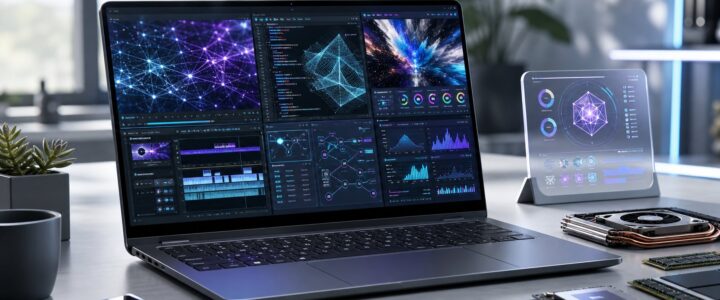
Sebuah laptop modern di atas meja kerja yang rapi dengan aksesori seperti mouse dan keyboard, menampilkan layar yang terbagi antara game dan aplikasi produktivitas.

Setiap pembaruan spesifikasi membawa peningkatan signifikan, baik dalam performa maupun desain. Misalnya, laptop dengan layar berberapa refresh rate tinggi untuk gaming memberikan keunggulan kompetitif. Di sisi lain, fitur seperti daya tahan baterai yang lebih baik dan portabilitas menjadi aspek penting bagi pengguna yang sering bepergian.

Dalam dunia yang semakin membutuhkan kinerja tinggi, memilih laptop yang tepat menjadi krusial. Dengan berbagai pilihan yang tersedia, memahami spesifikasi terbaru akan membantu pengguna menemukan perangkat yang sesuai dengan kebutuhan mereka.

Spesifikasi Utama Laptop Terbaru Tahun Ini

Laptop modern di atas meja dengan layar menampilkan grafik game dan aplikasi produktivitas, di ruang kerja dengan pencahayaan alami.

Tahun ini, spesifikasi laptop terbaru menunjukkan peningkatan signifikan dalam performa dan efisiensi, memberikan pengalaman gaming dan produktivitas yang lebih baik. Berbagai komponen seperti prosesor, RAM, dan layar dirancang untuk memenuhi kebutuhan pengguna modern.

Performa Prosesor dan Generasi Terbaru

Prosesor terbaru dari Intel dan AMD menghadirkan performa yang lebih cepat dengan efisiensi daya yang lebih baik. Intel generasi ke-13 dan AMD Ryzen 7000 series menawarkan arsitektur multi-core yang memungkinkan multitasking yang lebih lancar.

  • Intel: Prosesor Core i9-13900K dapat mencapai kecepatan hingga 5,8 GHz, sangat ideal untuk gaming berat dan aplikasi produktif.
  • AMD: Ryzen 9 7950X memiliki 16 core dan 32 thread, memberikan performa yang luar biasa dalam aplikasi yang membutuhkan banyak sumber daya.

Keberadaan teknologi seperti Intel Turbo Boost dan AMD Precision Boost semakin meningkatkan kapasitas pemrosesan, menjadikannya pilihan utama bagi gamer dan profesional.

Kapasitas RAM dan Jenis Memori

RAM saat ini ditawarkan dalam kapasitas yang lebih tinggi, mulai dari 16 GB hingga 64 GB, menggunakan tipe DDR5. Jenis memori ini menawarkan kecepatan transfer data yang lebih cepat dan latensi yang lebih rendah, mendukung performa aplikasi yang lebih baik.

  • 16 GB DDR5: Cukup untuk kebanyakan penggunaan multitasking dan gaming.
  • 32 GB atau lebih: Direkomendasikan untuk pengguna yang menjalankan aplikasi berat seperti editing video atau desain grafis.

Teknologi memori modern juga memungkinkan peningkatan bandwidth, sehingga lapisan penyimpanan terintegrasi dengan lebih baik ke dalam sistem.

Kapasitas dan Kecepatan Penyimpanan SSD

Laptop terbaru dilengkapi dengan SSD NVMe yang menawarkan kecepatan transfer data jauh lebih tinggi dibandingkan dengan SSD SATA. Kapasitas penyimpanan SSD mulai dari 512 GB sampai 2 TB, memberikan pengguna ruang yang cukup untuk menyimpan berbagai aplikasi dan game.

  • Kecepatan baca: SSD NVMe dapat mencapai hingga 7000 MB/s, menjamin waktu boot yang lebih cepat dan pengurangan latensi saat membuka aplikasi.
  • Keandalan: Teknologi flash memory pada SSD memberikan daya tahan yang lebih baik dibanding hard drive tradisional.

Pengguna dapat merasakan perbedaan yang signifikan dalam kecepatan akses data, membuat pengalaman gaming dan produktivitas menjadi lebih responsif.

Layar: Resolusi, Refresh Rate, dan Teknologi Panel

Layar laptop gaming dan produktivitas terbaru juga mengalami peningkatan. Banyak laptop kini dilengkapi dengan display beresolusi tinggi, seperti 4K dan QHD, serta kecepatan refresh yang lebih besar, mencapai 144 Hz atau lebih.

  • Resolusi: 4K menawarkan detail yang sangat tajam, ideal untuk editing visual dan gaming.
  • Refresh Rate: 144 Hz atau lebih meningkatkan pengalaman bermain game dengan gerakan yang lebih halus dan responsif.

Teknologi panel, seperti IPS dan OLED, menawarkan sudut pandang yang lebih luas dan reproduksi warna yang lebih akurat. Kombinasi ini membuat layar tidak hanya nyaman untuk dilihat, tetapi juga mendukung keperluan profesional dalam konten visual.

Fitur Gaming pada Laptop Modern

Fitur gaming pada laptop modern telah berkembang pesat. Teknologi terbaru dalam kartu grafis, sistem pendingin, dan desain keyboard sangat berpengaruh terhadap pengalaman gaming yang lebih baik dan responsif.

Kartu Grafis Terbaik untuk Gaming

Kartu grafis adalah komponen utama dalam performa gaming. Model terbaru seperti NVIDIA GeForce RTX 3000 series dan AMD Radeon RX 6000 series menawarkan kecepatan yang luar biasa dan dukungan untuk ray tracing.

Kartu grafis ini juga dilengkapi dengan teknologi DLSS (Deep Learning Super Sampling) yang meningkatkan kualitas gambar tanpa mengorbankan performa. Sebagian besar laptop gaming kini dilengkapi dengan memori berbasis GDDR6, yang meningkatkan bandwidth dan efisiensi energi.

Pengguna dapat memilih model dengan VRAM besar, hingga 16GB, untuk menjalankan game modern pada pengaturan tertinggi tanpa lag. Ini meningkatkan daya tarik laptop gaming di pasaran.

Sistem Pendingin Inovatif

Sistem pendingin pada laptop gaming sangat penting untuk menjaga performa optimal. Teknologi seperti pendinginan cair dan ventilasi yang ditingkatkan mencegah overheating saat bermain game intensif.

Beberapa laptop menggunakan desain pendinginan berbentuk heksagonal, yang meningkatkan aliran udara. Fitur ini memastikan suhu tetap terkendali, bahkan selama sesi bermain panjang.

Kerangka yang terbuat dari bahan ringan dan kuat membantu mengurangi berat laptop sekaligus mempertahankan ketahanan. Hal ini memberikan keunggulan dalam mobilitas bagi gamer yang sering berpindah tempat.

Keyboard dan Fitur RGB Khusus Gaming

Keyboard pada laptop gaming kini dirancang untuk memberikan pengalaman mengetik yang responsif. Tombol dengan ukuran yang tepat dan jarak antar tombol yang optimal memungkinkan pemain untuk bereaksi lebih cepat dalam permainan.

Fitur RGB memungkinkan gamer untuk menyesuaikan pencahayaan sesuai dengan preferensi mereka. Beberapa model menawarkan pengaturan makro untuk tombol tertentu, meningkatkan efisiensi dan kontrol.

Penggunaan teknologi anti-ghosting memastikan bahwa setiap tekanan tombol terdaftar dengan akurat. Ini sangat penting dalam permainan kompetitif, di mana setiap detik dan tindakan dapat menentukan hasilnya.

Kelebihan Laptop untuk Produktivitas

Laptop terbaru untuk produktivitas menawarkan berbagai keunggulan yang mendukung efisiensi kerja. Desain yang ringkas, daya tahan baterai yang baik, serta konektivitas yang lengkap membuat perangkat ini ideal untuk pengguna yang membutuhkan mobilitas tinggi.

Desain Tipis dan Bobot Ringan

Laptop modern dirancang dengan fokus pada portabilitas. Desain tipis dan bobot ringan memungkinkan pengguna untuk membawanya ke mana saja dengan mudah. Banyak model saat ini memiliki ketebalan kurang dari 2 cm dan berat di bawah 1.5 kg.

Kualitas material yang digunakan juga sangat penting. Tubuh laptop terbuat dari aluminium atau serat karbon, memberi kesan premium sekaligus ketahanan ekstra. Desain ramping juga sering kali disertai dengan layar yang memiliki bezel tipis, memberikan pengalaman visual yang lebih baik tanpa mengorbankan ukuran.

Daya Tahan Baterai untuk Mobilitas

Salah satu aspek penting dari laptop untuk produktivitas adalah daya tahan baterai. Banyak model sekarang menawarkan kapasitas baterai yang dapat bertahan hingga 10-15 jam dalam penggunaan normal. Ini sangat menguntungkan bagi profesional yang perlu bekerja di luar ruangan atau saat melakukan perjalanan.

Baterai yang efisien juga dilengkapi dengan teknologi pengisian cepat. Fitur ini memungkinkan pengguna untuk mengisi daya baterai hingga 50% hanya dalam waktu 30 menit. Dengan daya tahan dan kecepatan pengisian yang baik, laptop ini mendukung produktivitas tanpa gangguan.

Konektivitas dan Port Pendukung

Konektivitas menjadi pertimbangan utama dalam memilih laptop untuk produktivitas. Model terbaru biasanya dilengkapi dengan berbagai port seperti USB-C, HDMI, dan USB 3.0. Ini memudahkan pengguna untuk menghubungkan berbagai perangkat eksternal seperti monitor, proyektor, dan perangkat penyimpanan.

Selain itu, banyak laptop juga mendukung koneksi nirkabel yang lebih cepat. Dukungan untuk Wi-Fi 6 dan Bluetooth 5.0 memungkinkan transfer data yang lebih cepat dan koneksi yang lebih stabil. Ketersediaan slot kartu microSD juga memberi kemudahan untuk memperluas ruang penyimpanan, menjadikan laptop ini lebih fleksibel untuk kebutuhan produktivitas.

Rekomendasi Laptop Gaming Terbaru

Di pasar laptop gaming yang selalu berubah, terdapat pilihan menarik yang memenuhi kebutuhan performa tinggi dan anggaran beragam. Spesifikasi terkini menawarkan pengalaman gaming yang memukau dan kemampuan multitasking yang handal bagi pengguna.

Pilihan Laptop Berperforma Tinggi

Untuk pemain yang mencari performa terbaik, Asus ROG Zephyrus G14 merupakan pilihan ideal. Ditenagai oleh prosesor AMD Ryzen 9 dan GPU NVIDIA GeForce RTX 3060, laptop ini menawarkan kecepatan dan grafis luar biasa. Layarnya, dengan teknologi QHD, memberikan detail visual yang tajam, sempurna untuk game modern.

MSI GS76 Stealth juga menarik perhatian dengan desain ramping dan performa kuat. Ini dilengkapi dengan Intel Core i7 dan RTX 3070, sangat cocok untuk game berat serta aplikasi produktivitas. Dengan pentingnya pendinginan yang efisien, teknologi Cooler Boost memastikan perangkat tetap dingin saat digunakan intensif.

Laptop Gaming Terbaik untuk Budget Menengah

Bagi gamer dengan anggaran lebih ketat, Acer Nitro 5 adalah pilihan yang sangat baik. Dikenal dengan harga terjangkau namun spesifikasi yang kompetitif, Nitro 5 dilengkapi dengan Intel Core i5 dan GTX 1650. Laptop ini mampu menjalankan banyak judul populer dengan baik pada setelan menengah.

Lenovo Legion 5 juga menawarkan performa baik di kisaran harga menengah. Dengan kehadiran AMD Ryzen 5 dan RTX 2060, perangkat ini memberikan kecepatan dan daya tahan baterai yang memuaskan. Didesain untuk kenyamanan, laptop ini memiliki keyboard ergonomis yang membuat pengalaman bermain lebih menyenangkan.

Rekomendasi Laptop Produktivitas Terbaru

Dalam dunia kerja yang semakin mobile, laptop yang menawarkan produktivitas tinggi menjadi sangat penting. Laptop bisnis dan laptop 2-in-1 memberikan solusi terbaik bagi mereka yang membutuhkan perangkat tangguh dan fleksibel.

Laptop Bisnis dengan Performa Andal

Laptop bisnis terbaru menawarkan kombinasi antara performa dan keamanan. Model seperti Dell Latitude 7330 dan Lenovo ThinkPad X1 Carbon Gen 10 memberikan keunggulan dalam hal spesifikasi.

  • Prosesor: Ditenagai oleh Intel Core i7 generasi terbaru, keduanya mampu menjalankan aplikasi berat dengan lancar.
  • RAM: Kapasitas RAM minimum 16 GB memungkinkan multitasking tanpa hambatan.
  • Keamanan: Fitur seperti pembaca sidik jari dan chip TPM (Trusted Platform Module) menjamin keamanan data pengguna.

Dengan desain yang ergonomis, keyboard nyaman digunakan, dan layar IPS beresolusi tinggi, perangkat ini sangat ideal untuk pekerja profesional.

Laptop 2-in-1 untuk Fleksibilitas Kerja

Laptop 2-in-1 memberikan kompromi antara laptop dan tablet. Contoh model yang patut dipertimbangkan adalah HP Spectre x360 dan Microsoft Surface Pro 9.

  • Desain: Kedua perangkat ini menawarkan desain convertible yang memungkinkan pengguna untuk beralih antara mode laptop dan tablet dengan mudah.
  • Performa: Dikenakan dengan Intel Core i5 atau i7, keduanya menawarkan performa cukup untuk tugas kantor sehari-hari.
  • Baterai: Baterai tahan lama menambah nilai, memungkinkan pengguna bekerja lebih lama tanpa perlu sering mengisi daya.

Keunggulan lain adalah dukungan untuk stylus, sehingga memungkinkan pengguna untuk menggambar atau mencatat dengan lebih presisi.

Tren Teknologi Laptop Tahun Ini

Tahun ini, teknologi laptop mengalami berbagai kemajuan signifikan yang mempengaruhi cara pengguna berinteraksi dengan perangkat mereka. Dua tren utama adalah integrasi kecerdasan buatan dan peningkatan keamanan data, yang menawarkan pengalaman yang lebih pintar dan aman bagi pengguna.

Integrasi AI dan Fitur Pintar

Integrasi kecerdasan buatan (AI) semakin umum dalam laptop terbaru, memberikan fitur yang memudahkan pengguna dalam berbagai aspek. Misalnya, pengenalan suara yang ditingkatkan memungkinkan pengguna untuk memberikan perintah tanpa menggunakan keyboard. Selain itu, perangkat lunak AI dapat mengoptimalkan kinerja perangkat secara otomatis, dengan menyesuaikan pengaturan sesuai dengan penggunaan.

Fitur pintar lainnya termasuk deteksi dan penghindaran gangguan. Beberapa laptop kini dilengkapi dengan teknologi yang dapat mengalokasikan sumber daya secara dinamis untuk meningkatkan kinerja aplikasi yang sedang digunakan. Penggunaan AI dalam manajemen daya juga semakin populer, membantu memperpanjang masa pakai baterai dengan menyesuaikan konsumsi energi berdasarkan kebutuhan pengguna.

Keamanan Data dan Fitur Proteksi

Keamanan data menjadi prioritas utama bagi pengguna laptop, terutama dengan meningkatnya ancaman siber. Banyak laptop baru dilengkapi dengan chip keamanan khusus yang membantu mengenkripsi data dan melindungi informasi sensitif. Selain itu, penggunaan biometrik, seperti pemindai sidik jari dan pengenalan wajah, semakin umum sebagai cara untuk mengamankan akses.

Fitur proteksi lainnya mencakup pembaruan keamanan otomatis yang memastikan perangkat selalu terlindungi dari kerentanan baru. Beberapa produsennya juga menyediakan solusi keamanan berbasis AI yang dapat mendeteksi perilaku mencurigakan dan mencegah serangan berbahaya sebelum terjadi. Upaya ini membantu pengguna merasa lebih aman saat menggunakan laptop untuk berbagai keperluan.

Tips Memilih Laptop Sesuai Kebutuhan

Memilih laptop yang sesuai dengan kebutuhan memerlukan beberapa pertimbangan utama. Pertama, pengguna harus menentukan tujuan utama penggunaan laptop, apakah untuk gaming, produktivitas, atau tugas sehari-hari.

Spesifikasi Utama

  • Prosesor: Laptop dengan prosesor Intel atau AMD Ryzen generasi terbaru seringkali menawarkan performa yang lebih baik.
  • RAM: Minimal 8 GB untuk penggunaan umum, sedangkan penggemar gaming disarankan memiliki setidaknya 16 GB.
  • Kartu Grafis: Untuk gaming, kartu grafis terpisah seperti NVIDIA GeForce atau AMD Radeon sangat penting.

Ukuran dan Portabilitas

Pengguna harus mempertimbangkan ukuran layar sesuai preferensi. Laptop dengan layar 15 inci ideal untuk keseimbangan antara portabilitas dan pengalaman visual. Untuk mobilitas tinggi, model 13 inci dapat menjadi pilihan.

Baterai dan Daya Tahan

Daya tahan baterai juga faktor penting. Laptop dengan daya tahan lebih dari 8 jam cocok untuk pengguna yang sering berpindah tempat. Mereka yang bekerja dari rumah bisa memilih model yang lebih berat dengan daya yang lebih besar.

Budget

Tentukan anggaran terlebih dahulu. Laptop gaming dan produktivitas sering memiliki rentang harga yang berbeda.

Memperhatikan faktor-faktor di atas dapat membantu pengguna dalam mendapatkan laptop yang memenuhi semua kebutuhan mereka.

Kesimpulan

Spesifikasi laptop untuk gaming dan produktivitas tahun ini menunjukkan peningkatan signifikan. Banyak produsen menghadirkan teknologi terbaru yang dirancang untuk meningkatkan pengalaman pengguna.

Fitur utama yang perlu diperhatikan:

  • Prosesor: Laptop terbaru kini menggunakan generasi terbaru dari Intel dan AMD, menawarkan kecepatan dan efisiensi daya lebih baik.
  • GPU: Kartu grafis terbaru seperti NVIDIA GeForce RTX menawarkan performa maksimal untuk game dan aplikasi berat.
  • RAM: Memori hingga 32GB atau lebih menjadi standar untuk multitasking yang lebih baik.
  • Layar: Refresh rate yang lebih tinggi dan resolusi 4K semakin umum, memberikan visual yang lebih halus dan tajam.

Untuk pengguna yang fokus pada produktivitas, laptop dengan SSD besar memberikan waktu boot yang lebih cepat dan akses data yang lebih efisien. Dengan pilihan layar sentuh dan fitur konversi 2-in-1, fleksibilitas dalam penggunaan pun meningkat.

Secara keseluruhan, perkembangan teknologi tahun ini memudahkan pengguna dalam memilih laptop yang sesuai dengan kebutuhan gaming maupun produktivitas. Ketersediaan varian produk yang beragam membuat konsumen memiliki banyak opsi untuk dipertimbangkan.

Perkembangan Spesifikasi Laptop Terbaik sebagai Solusi Komputasi Masa Kini: Trends, Features, and Practical Recommendations

Perkembangan Spesifikasi Laptop Terbaik sebagai Solusi Komputasi Masa Kini: Trends, Features, and Practical Recommendations

You want a laptop that keeps pace with your work, creativity, and daily life without compromises. Modern laptops now blend fast processors, efficient power use, smarter local AI, and robust security so you can run demanding apps, stay productive on the go, and protect your data.

Choose a laptop with the right mix of CPU/GPU performance, battery efficiency, fast storage, and built-in security features to turn it into a reliable, future-ready computing solution.
This article will walk you through how specifications have evolved, which features matter most for performance and connectivity, and what to watch for in coming years so you can pick a device that truly fits your needs.

Evolution of Laptop Specifications

You will see how laptop parts moved from bulky, slow components to compact, high-performance systems focused on battery life, connectivity, and user experience. The following subsections detail the hardware timeline, processor breakthroughs, and GPU advances that most affect your purchase and use today.

Historical Progress of Laptop Hardware

Early portable computers in the 1980s prioritized portability over performance, using heavy chassis and limited battery cells. By the 1990s, manufacturers introduced lighter plastics, more efficient NiMH then Li-ion batteries, and clamshell designs that established the modern laptop form factor.

From the 2000s onward, miniaturization and power efficiency drove change. Solid-state drives replaced mechanical HDDs for faster boot and lower power draw. Displays moved from CCFL to LED backlights, reducing thickness and improving brightness. You also saw the rise of thin-and-light and 2-in-1 convertible designs, where hinge engineering and touchscreen digitizers became selling points.

Service ecosystems and firmware updates grew into purchase factors. You now consider repairability, update cadence, and vendor support alongside raw specs. These choices directly shape battery life, thermals, and long-term value.

Milestones in Processor Development

Processor evolution shifted the balance between raw clock speed and efficiency. Early laptop CPUs were downclocked desktop chips; you suffered high heat and poor battery life. Intel’s shift to mobile-focused architectures (Pentium M, Core series) emphasized per-watt performance and transformed battery longevity.

The last decade added multicore designs and aggressive power gating. ARM-based laptop SoCs (e.g., Apple M-series) introduced SoC integration with unified memory and high single-thread performance per watt, giving you laptop-class battery life with desktop-level responsiveness. AMD’s Ryzen mobile chips closed the gap by offering more cores and better integrated graphics for mainstream laptops.

When you evaluate CPUs, compare core/thread counts, base and boost frequencies, IPC metrics, and TDP. Also check platform features like LPDDR support, PCIe lanes, and built-in AI accelerators that affect real-world application performance.

Advancements in Graphics Technology

Integrated graphics evolved from basic 2D accelerators to capable 3D renderers. Early integrated GPUs handled only video playback and simple GUIs. Modern integrated solutions (Intel Iris Xe, AMD Vega/Radeon iGPU, Apple GPU cores) support light gaming, GPU-accelerated rendering, and hardware video encoding/decoding.

Discrete mobile GPUs progressed through generation leaps in shader units, memory bandwidth, and power-efficient architectures. NVIDIA’s Max-Q designs and AMD’s optimized mobile chips balance performance and thermal limits so you get higher sustained frame rates without excessive heat.

When choosing a laptop for visuals, look at GPU architecture, VRAM type/amount (GDDR6 vs. LPDDR), TGP/TDP ratings, and software driver support. For content creation, prioritize GPU compute features (CUDA/OpenCL/Metal) and hardware encoders; for gaming, prioritize sustained boost and cooling design.

Key Features of Modern Laptops

You need a laptop that balances raw performance, clear visuals, fast storage, and reliable cooling. These elements determine real-world responsiveness for work, creative tasks, and daily mobility.

Cutting-Edge Processors

Choose processors that match your workload: Intel Core (13th–15th gen and later) and AMD Ryzen 7000–series and newer offer strong multi-core performance for multitasking and content creation. Look for hybrid architectures (performance + efficiency cores) to keep short bursts fast while conserving battery during light tasks.

Pay attention to core/thread counts, base and boost frequencies, and supported instruction sets (AVX, AI inference accelerators). For AI-enhanced apps, on-die neural engines or dedicated NPU blocks significantly speed up local inference compared with CPU-only execution.
Also check platform features: PCIe lane count for GPUs and NVMe, memory channels supported (dual/quad), and power limits (PL1/PL2) that affect sustained performance.

High-Resolution Displays

Pick a panel that matches your work: 1440p (QHD) balances clarity and battery life; 4K suits photo and video editing where pixel-level accuracy matters. Prioritize IPS or OLED for wide color gamut and consistent viewing angles.

Look for key specs: color coverage (sRGB/Adobe RGB/DCI-P3), Delta E figures for color accuracy, peak brightness (nits) for outdoor use, and refresh rate (60–120Hz+) if you do motion-sensitive work or light gaming. HDR support and local dimming improve contrast on compatible content.
Consider matte vs glossy finishes and factory calibration options if color-critical output matters to you.

Advanced Storage Options

NVMe SSDs provide the biggest real-world boost. Choose PCIe 4.0 or 5.0 NVMe SSDs for sequential throughput (2,000–7,000+ MB/s depending on generation), which speeds large file transfers and app load times. For databases and heavy I/O, prioritize high IOPS and sustained write endurance (TBW).

Check drive configurations: single NVMe for slim laptops, dual NVMe or NVMe+SATA combos for expandability and RAID setups. Some models offer user-replaceable M.2 slots and an extra 2.5″ bay.
Also weigh capacity needs: 1TB is a common sweet spot; 2TB+ suits multimedia professionals. Encryption support (hardware AES) and secure erase features add data protection.

Efficient Thermal Management

Thermal design dictates how long your CPU/GPU can sustain peak performance. Look for laptops with multi-heatpipe arrays, vapor chambers, and large fin stacks to move heat away from components efficiently.

Fan design and airflow paths matter: intake grilles, exhaust placement, and keyboard/hinge airflow affect cooling and surface temperatures. Manufacturers that expose TDP or configurable power profiles allow you to tune performance vs. noise.
Also consider chassis materials—aluminum conducts heat better than plastic—and serviceability for cleaning fans and reapplying thermal paste to maintain performance over years.

Performance as a Computing Solution

You need a laptop that handles heavy apps, lasts through long workdays, and stays easy to carry. The next paragraphs focus on processor and GPU choices, real-world battery strategies, and design trade-offs that affect portability.

Multitasking Capabilities

Choose a CPU with at least 6–8 high-performance cores if you run virtual machines, data analysis, or multiple IDEs and browser windows simultaneously. Prioritize modern architectures (e.g., Intel Core Ultra series, AMD Ryzen 7000/8000 mobile families, or Apple M-series) that offer efficient single-thread performance plus strong multithread scaling.

RAM matters as much as the CPU. Aim for 16 GB as a baseline for productivity; 32 GB or more for heavy content creation, large datasets, or VM usage. Fast RAM (higher frequency, tighter timings) and dual-channel configurations improve responsiveness.

Also evaluate the GPU when your workflows include GPU-accelerated tasks (machine learning inference, GPU rendering, or video encoding). Dedicated mobile GPUs or integrated accelerators with dedicated AI cores reduce CPU load and speed up parallel workloads. Check thermal design: sustained performance depends on cooling, not just peak specs.

Battery Life Optimization

Focus on capacity (Wh) and platform efficiency. A 60–80 Wh battery paired with low-power silicon (chipsets built on 5nm/4nm processes) typically gives the best balance for all-day use under mixed workloads. Manufacturers’ rated battery life often assumes light web tasks; real-world runtime drops when you use heavy CPU/GPU tasks.

Use power profiles and adaptive boost controls to extend runtime. Set CPU limits, reduce display brightness, and enable variable refresh rates or panel dimming. Hardware features like dedicated low-power display controllers or hardware video encode/decode blocks greatly lower energy use during streaming or conferencing.

For heavy mobile workflows, consider fast-charging support (50% in ~30 minutes) and replaceable batteries where available. Track battery health: high cycle counts and sustained high discharge rates accelerate capacity loss, so avoid keeping the battery at 100% constantly.

Portability and Design Innovations

Evaluate chassis materials and weight against thermal needs. Magnesium‑alloy or carbon-fiber lids keep weight under ~1.2–1.5 kg for ultraportables, while aluminum or thicker magnesium enables better cooling for 1.8–2.5 kg performance laptops. Pick based on whether you prioritize daily carry or sustained performance.

Look for I/O that matches your workflow: Thunderbolt/USB4 for external GPUs and fast storage, HDMI 2.1 for high-refresh external monitors, and SD Express for photographers. Detachable or 360° hinge designs add flexibility but can introduce thermal and structural compromises.

Display choices affect ergonomics and battery: 120–165 Hz panels suit creators and gamers; 60–90 Hz OLED or high-brightness IPS panels favor color accuracy and outdoor visibility while balancing power draw. Also inspect keyboard travel, trackpad size, and port placement—small design details that shape your daily efficiency.

Connectivity and Expansion

This section explains how modern laptops connect to networks and peripherals, and what expansion options you should expect for reliable, high-performance workflows.

Wireless Communication Technologies

You need Wi‑Fi 6E or Wi‑Fi 7 on a high-end laptop for consistent multi‑device throughput and low latency. Wi‑Fi 6E adds access to the 6 GHz band, reducing congestion in crowded environments; Wi‑Fi 7 increases channel widths and multi‑link operation for higher sustained transfer rates—useful for large file syncs and cloud backups.

Bluetooth 5.3 (or later) gives you stronger device pairing, lower power for audio, and better audio quality with LE Audio support. For mobile professionals, integrated 5G/4G LTE modems provide carrier‑grade connectivity when Wi‑Fi is unavailable; check supported bands and eSIM capability. Also verify driver support and vendor‑supplied firmware updates to maintain security and performance.

Diverse Port Selection

You should expect at least two Thunderbolt 4/USB4 ports for external GPUs, high‑res displays, and fast NVMe docks. Thunderbolt 4 guarantees 40 Gbps, PCIe tunneling for storage, and power delivery; it simplifies a single‑cable workstation setup.

Include a full‑size HDMI 2.1 (or 2.0 at minimum) for direct 4K/120Hz or multi‑monitor connections without adapters. A USB‑A 3.2 port helps with legacy peripherals. If you work with cameras or SD cards, a UHS‑II SD slot speeds media offload. Ethernet (1 GbE or 2.5 GbE) remains important for stable transfers in offices; if your model lacks a port, plan for a Thunderbolt dock.

Security Enhancements in Laptops

Modern laptops embed hardware and software controls to stop physical theft, unauthorized access, and data leakage. Expect integrated biometric sensors, hardware encryption engines, secure boot chains, and firmware protections that work together to protect your credentials and stored data.

Biometric Authentication

Biometric systems on laptops typically include fingerprint readers and IR facial cameras that tie login to physical characteristics. Fingerprint sensors now use capacitive or optical scanners with anti-spoofing algorithms; they unlock the device, authenticate payments, and gate password managers. IR cameras support Windows Hello-style facial recognition and function in low light; they rely on depth-sensing or active IR to reduce false accepts.

You should check for TPM-backed biometric enrollment so templates never leave the secure element. Look for FIDO2/WebAuthn support to use biometrics for web logins without transmitting passwords. Enterprise models often add smartcard readers or removable security tokens for multi-factor authentication.

Data Protection Features

Laptops increasingly include hardware TPM chips, NVMe drives with AES-GCM encryption support, and BIOS/UEFI secure boot to ensure system integrity. TPM (2.0) stores keys and enables BitLocker or other full-disk encryption without exposing keys to the OS. Hardware-accelerated AES in modern CPUs speeds up full-disk and container encryption with minimal performance impact.

You should prioritize models with soldered or self-encrypting drives (SED) for tablet-grade protection and with firmware-based rollbacks blocked to prevent persistent malware. Additional protections to consider: discrete security modules (e.g., Intel TME, AMD SME/SEV), BIOS passwords with measured boot, and firmware vulnerability patching policies from the vendor.

Impact on Productivity and Everyday Use

Modern laptop specs directly affect how quickly you finish tasks, how long your device runs unplugged, and whether specialized apps behave smoothly. Expect measurable gains from faster CPUs, more RAM, NVMe storage, and AI-capable accelerators in typical daily workflows.

Remote Work Solutions

When you work remotely, CPU single-thread speed and battery life matter for video calls and document work. Choose a laptop with at least a quad-core U-series or equivalent CPU, 16 GB RAM for browser tabs and virtual meetings, and NVMe SSD for fast profile loading.
A 1080p or better webcam plus dual-array microphones improve meeting clarity; hardware-based noise suppression (or an NPU that runs noise-reduction models) reduces background interruptions. Prioritize Wi‑Fi 6E or Wi‑Fi 7 and Bluetooth 5.3 for stable connectivity to routers and peripherals.

If you travel between home and coworking spaces, consider a compact 14″ or 13.6″ chassis that balances thermal headroom and portability. Look for 60–90 Wh batteries and fast charging that returns 50% in ~30 minutes. Docking support (Thunderbolt 4 or USB4) lets you connect multiple monitors and Ethernet without repeated cable swaps.

Educational Benefits

For students, responsiveness during note-taking, coding, and research is crucial. Aim for 8–16 GB RAM for general coursework; 32 GB if you run virtual machines, large datasets, or heavy IDEs. A fast NVMe drive shortens app launch and compilation times, helping you iterate faster on assignments.
Touchscreens and pen support benefit design, math notation, and annotation-heavy study; look for low-latency active stylus compatibility and a display with at least 100% sRGB for color-accurate materials.

Battery life and weight affect all-day campus use. Select a machine that sustains 8+ hours under mixed usage and weighs under 1.5–1.7 kg if you carry it daily. Affordable models with recent-generation CPUs still deliver satisfactory performance for most majors without excessive cost.

Creative Industry Applications

In creative work—video editing, 3D, and audio production—GPU capability and thermal design define throughput. Pick laptops with discrete GPUs (NVIDIA RTX-series or AMD equivalents) and at least 6–8 GB of VRAM for real-time previewing of high-resolution timelines. More VRAM and CUDA/OptiX acceleration speed up render and export tasks.
High-core-count CPUs (6–12 cores) reduce export times for multi-layer projects. Fast NVMe storage and scratch drives lower cache stalls; consider RAID or external Thunderbolt 4 storage when working with many large files. Color-accurate displays (DCI-P3 coverage, 10-bit panels where possible) and calibrated workflows preserve final output fidelity.

Future Trends in Laptop Development

Expect materials and system intelligence to shape portability, durability, and daily workflows. Key shifts will affect battery lifespan, repairability, and how quickly your device completes creative and productivity tasks.

Sustainable Material Innovations

You’ll see more laptops using recycled aluminum, post-consumer plastics, and biobased polymers for chassis and internal mounts. Manufacturers increasingly report percentages for recycled content; prioritize models that list >50% recycled aluminum or certified plastics to reduce embodied carbon.

Design choices aim to improve repairability and longevity. Look for modular components (user-replaceable SSDs, batteries, and keyboards), standardized screws, and accessible repair guides or spare-part programs. Those features keep devices in service longer and lower total ownership cost.

Manufacturers also optimize finishes and coatings to avoid toxic flame-retardants and to enable easier disassembly. Certifications to watch: EPEAT Gold, TCO Certified, and EU Ecodesign compliance — they signal stronger sustainability practices.

AI-Powered Laptop Capabilities

AI now runs on-device for features like real-time noise suppression, instant photo upscaling, and background task offloading. Choose laptops with dedicated Neural Processing Units (NPUs) or newer integrated accelerators; they deliver faster local inference and lower battery draw than cloud-only solutions.

Practical benefits include faster content generation (quick image variants, short video edits), adaptive power management that extends battery life by predicting your workload, and system-level privacy by keeping sensitive inferences on your device. Check benchmarks for on-device AI throughput (TOPS) and software ecosystems (SDKs, frameworks) that support third-party apps.

Security and update policies matter. Prefer vendors that provide firmware-level AI model updates and clear data-handling documentation so you control model training data and can apply security patches promptly.

Conclusion

You now see how modern laptops balance performance, efficiency, and portability to meet diverse computing needs. Choose components that match your workflow rather than the highest specs alone.

AI features, energy-efficient chips, and fast storage improve real-world responsiveness. These advances let you run creative apps, multitask, and game with fewer compromises.

Prioritize battery life and thermals if you work mobile; prioritize GPU and display fidelity for content creation. Security and compatibility matter for long-term reliability and productivity.

Use the checklist below to guide purchases and upgrades:

  • CPU: pick according to tasks (multi-core for heavy workloads, efficient cores for mobility).
  • GPU: integrated for light work, discrete for gaming/creative apps.
  • Storage & RAM: prioritize NVMe SSDs and 16GB+ RAM for smooth multitasking.
  • Battery & cooling: verify endurance and sustained performance.
  • AI & connectivity: prefer local AI capabilities and modern I/O for future-proofing.

Invest in models that offer upgradability or strong support policies when possible. That choice extends usable life and reduces total cost.

You should match design and features to how you work, not just trends. Make deliberate trade-offs and your next laptop will serve you well for years.

Perkembangan Spesifikasi Laptop Terbaik dengan Desain Tipis dan Performa Tinggi: Trends, Innovations, and Buyer Considerations

Perkembangan Spesifikasi Laptop Terbaik dengan Desain Tipis dan Performa Tinggi: Trends, Innovations, and Buyer Considerations

You want a laptop that stays light in your bag but never slows your work. Modern thin laptops now pair ultralight designs with processors, GPUs, and batteries that deliver sustained performance for content creation, multitasking, and long on-the-go days, so you can choose portability without sacrificing capability.

This article tracks how specs have evolved, what “high-performance” means today, and which design and upgrade trends matter for your next purchase. Expect clear guidance on features, flagship models, and practical trade-offs so you can pinpoint the ideal thin, powerful laptop for your needs.

Evolution of Ultra-Thin Laptop Specifications

Thin laptops moved from niche portability to mainstream performance by shrinking chassis, improving power efficiency, and keeping battery life competitive. You’ll see this evolution through key product milestones, component-level advances, and the way buyers now prioritize thinness alongside CPU/GPU power.

Historical Milestones in Slim Laptop Development

The Ultrabook concept launched in 2011 pushed manufacturers to combine thinness with sustained battery life. Early milestones include adoption of low-voltage Intel Core U-series CPUs and solid-state drives (SSDs) that replaced heavier HDDs, enabling slimmer profiles and faster boot times.

You saw another leap when manufacturers integrated metal unibody designs and precision CNC machining. These changes improved rigidity while allowing thinner bezels and lighter lids. Convertible 2‑in‑1 models appeared next, adding hinge engineering and touch displays without large thickness penalties.

By the mid‑2020s, mainstream models packed quad‑core and higher-performance efficiency parts into sub‑1.5 cm bodies. Brands balanced thermal design and acoustic control through vapor chambers and heat pipes, making thin laptops viable for content creators and professionals.

Technological Advances Driving Thin Design

Processor efficiency drove the biggest gains: transition from 22nm to 10nm and smaller process nodes cut power draw and heat. You benefit from CPUs that deliver near‑desktop performance in 15–25W envelopes, letting manufacturers slim the cooling stack.

Storage and memory also evolved. NVMe SSDs became standard, reducing volume and improving throughput. LPDDR5 memory lowered power and allowed RAM to be soldered onto thin PCBs, saving space. Display tech moved to OLED and mini‑LED with thin glass and narrower bezels.

Thermal engineering innovations—vapor chambers, graphite sheets, and fan blade designs—kept surfaces cool without thick heat sinks. Battery chemistry improvements increased energy density, enabling reasonable battery life in narrow enclosures. Together, these advances let you carry a powerful machine that stays light and quiet.

Impact on Laptop Market Trends

You now expect thinness as a default spec rather than a premium rarity. Manufacturers target professionals, students, and mobile creators with models under 1.3–1.6 kg and thickness below 15 mm for 13–14″ machines. Price tiers expanded: entry thin laptops emphasize battery and portability, while premium thin models add high‑res OLED screens and discrete efficiency GPUs.

Retail and enterprise buying also shifted. IT teams favor thin ultrabooks for fleets because they reduce shipping weight and improve employee mobility. Content creators choose slim laptops that still offer color‑accurate panels and enough GPU power for editing. Manufacturers respond with clearer spec breakdowns—CPU TDP, SSD type, display panel, and cooling approach—so you can compare thin designs by real performance metrics.

Defining High-Performance in Modern Laptops

High-performance laptops combine sustained CPU/GPU throughput, fast low-latency memory, and storage that keeps up with heavy I/O. You’ll also want efficient thermal design and power delivery so components run at rated speeds without throttling.

Benchmarking High-Performance Standards

You should evaluate laptops using standardized benchmarks that reflect real workloads. Use Cinebench R23 or R25 for multi-core CPU performance and single-core scores; these show raw compute for rendering and compilation tasks. For GPU, run 3DMark Time Spy and Blender’s classroom or BMW tests to see ray-tracing and viewport rendering behavior.

Measure sustained performance with longer runs: look at 30–60 minute looped tests to reveal thermal throttling. Include battery-on and AC-power runs when possible. Finally, compare performance-per-watt numbers to gauge efficiency—higher sustained scores with lower power draw indicate a better thermal and power design.

Essential Performance Metrics

Focus on metrics that map to your tasks: single-core frequency for office/apps, multi-core throughput for video export and compiling, and GPU FP32/RT performance for gaming and rendering. Check memory latency and bandwidth (e.g., dual-channel DDR5 @ 5200 MT/s) because they control data flow to CPU/GPU.

I/O matters: NVMe SSD sequential read/write and 4K random IOPS affect project load times and editing responsiveness. Thermal headroom (CPU/GPU sustained clocks under load) and power limits (PL1/PL2 wattages) show how long a laptop can keep peak speeds. Look for manufacturer specs plus third-party test results for real-world numbers.

Role of Processors and Graphics

Choose a processor family and SKU that match your workload. For content creation, prefer CPUs with higher all-core Turbo and more cores (e.g., 8–12 cores) to reduce export and encode times. For code compilation and virtualization, prioritize core count and memory channels.

For graphics, integrated GPUs now handle light editing and playback, but discrete GPUs (NVIDIA RTX or AMD Radeon) excel at 3D, GPU-accelerated rendering, and gaming. Verify CUDA/OptiX or OpenCL support if you rely on GPU-accelerated apps. Also check thermal design power (TDP) and sustained clock behavior—mobile GPUs with higher sustained wattage deliver much better real-world performance than the same model capped at lower power.

Significance of Memory and Storage

Memory capacity and configuration directly affect multitasking and large dataset handling. Aim for 16 GB minimum for creative work; 32 GB or more for complex video timelines, large virtual machines, or heavy browser use. Dual-channel configurations improve bandwidth; low-latency DDR5 boosts frame times and render throughput.

For storage, prefer PCIe 4.0 NVMe drives with high sequential speeds (3,500–7,000 MB/s) and strong 4K IOPS for snappy project load times. Consider a secondary drive or external NVMe for large media libraries. Also check sustained write performance and thermal throttling of the SSD, since prolonged recording or exporting can drop speeds significantly.

Innovative Thin Laptop Design Concepts

You’ll find advances in materials, cooling, and ergonomics driving thin laptops toward higher sustained performance without increasing weight or thickness. Expect choices that balance rigidity, heat control, and typing comfort tailored to real-world mobile workflows.

Material Innovations and Durability

Manufacturers increasingly use aerospace-grade aluminum, magnesium–aluminum alloys, and carbon fiber composites to reduce weight while keeping stiffness high. These materials let you carry machines under 1.3–1.5 kg that still resist chassis flex and twisting during everyday use.

Surface treatments matter: anodizing and ceramic-like coatings improve scratch resistance and thermal emissivity. Some models add a bonded unibody or CNC-milled single-piece lid to remove weak seams and improve drop performance.

You should also look for MIL‑STD or IP light ratings if you travel frequently; they indicate tested resistance to shocks, dust, and spills. Repairability varies—thin designs sometimes sacrifice internal modularity—so prioritize models with accessible RAM/SSD bays if you plan to upgrade or service the device.

Thermal Management in Compact Form Factors

Thin chassis reduce internal volume, so designers rely on multi-pronged thermal solutions to keep CPUs and integrated GPUs at useful sustained clocks. Expect heat spreaders, vapor chambers, and copper heat pipes routed to dual fan exhausts in the thinnest high‑performance ultrabooks.

You’ll see software profiles paired with hardware: dynamic power limits, per-core frequency scaling, and fan curves tuned to balance noise against performance. Manufacturers also use PCB layout tricks—placing high‑heat components near vents and using graphite sheets to distribute heat away from your palms.

When comparing models, check sustained CPU/GPU benchmark results (not just peak scores) and measured surface temperatures. Those metrics reveal whether a laptop throttles under prolonged workloads or maintains higher performance quietly.

Ergonomics and User Experience

Thin design must not compromise how you work. Many laptops use slightly tapered bases or hinge lift mechanisms that raise the keyboard angle when opened, improving typing posture and airflow beneath the chassis. You’ll notice shallower key travel in some ultra-thin keyboards; premium designs compensate with optimized switch mechanisms to keep tactile feedback satisfying.

Display choices influence usability: narrower bezels increase screen-to-body ratio while maintaining a compact footprint. High-resolution OLED or 3.5K panels with wide color gamut help creators, but confirm brightness and color calibration out of the box.

Port selection is critical for mobility. Expect a mix of USB-C/Thunderbolt 4 ports and at least one full-size USB-A or HDMI on more versatile models. Battery life, quick-charge support, and weight distribution should guide your choice to ensure the thin laptop fits how you work every day.

Key Features of the Best Thin and Powerful Laptops

Expect a balance of high-fidelity visuals and long runtime paired with efficient thermals and modern I/O. These traits determine whether a slim laptop performs well in daily productivity, creative work, or light gaming.

Display Quality and Resolution

You need a display that matches your workflow: sharpness, color accuracy, and refresh rate matter. For text-heavy work and web browsing, a 1920×1200 or 1920×1080 IPS panel offers crisp readability with good viewing angles. If you edit photos or video, prioritize 14–16″ panels with at least 100% sRGB or 90% DCI-P3 coverage and factory calibration for reliable color.

High pixel density (≥150 PPI) reduces eye strain and makes UI elements look smoother. Consider OLED or mini-LED if you value deep blacks and high contrast, but note potential burn-in risks on static UI. Refresh rates of 90–120 Hz improve perceived smoothness for scrolling and light gaming; 60 Hz still suffices for most productivity tasks.

Pay attention to peak brightness (≥400 nits) for outdoor use and a matte or low-reflection coating to reduce glare. Also check for HDR support and hardware anti-flicker (DC dimming) if you are sensitive to PWM.

Battery Life Optimization

Battery life depends on component choices and software tuning, not just battery capacity. Look for systems using efficient CPUs (e.g., modern low-power U-series or equivalent) and integrated GPUs when you prioritize endurance over heavy rendering. A 50–70 Wh battery in a 13–14″ thin chassis typically yields 8–12 hours of mixed office use with balanced power settings.

Power management features matter: per-app power profiles, adaptive refresh rate, and modern standby reduce idle drain. Fast charging (50% in ~30 minutes) helps when you travel. Also check real-world vendor claims—reviews that measure web-browsing, video playback, and productivity workloads give more reliable estimates than manufacturer numbers.

Thermal efficiency ties to battery life: good heat dissipation keeps the CPU in efficient power states longer. Fanless designs can be quiet but may throttle under sustained load; decide which trade-off suits your usage.

Leading Brands and Flagship Models

You’ll find a few manufacturers consistently set the benchmark for thin, high-performance laptops: Apple, Dell, HP, Lenovo, ASUS, and emerging ARM-based entrants. Each brand targets different trade-offs between CPU performance, battery life, display quality, and price.

Comparison of Top Brands

Apple focuses on M-series silicon that combines strong single-thread and power-efficient multi-core performance, long battery life, and color-accurate Retina/OLED displays. If you value sustained CPU/GPU efficiency and macOS integration, look at the MacBook Air/Pro lines.

Dell’s XPS series emphasizes premium build, high-resolution OLED/3K screens, and options up to Core Ultra or Intel high-end chips. You’ll get excellent chassis fit-and-finish and broad port choices in the XPS 13/14 range.

HP’s Spectre and Elitebook lines balance thinness with business features: security, enterprise manageability, and long battery life. Spectre models often include convertible designs and bright OLED panels.

Lenovo’s Yoga and Slim series target versatility and typing comfort, with strong thermal tuning for sustained loads. They often deliver the best keyboard experience in the thin-laptop category.

ASUS pairs aggressive price-to-performance in the ZenBook and ExpertBook ranges, offering high-refresh OLED options and discrete GPU choices for creators.

New ARM-based entrants (Qualcomm platforms and Snapdragon X Elite variants) aim to deliver low power draw with competitive AI acceleration, making them attractive for light-to-moderate creative and productivity workflows.

Signature Thin Laptop Series

  • Apple: MacBook Air (M2/M3) and MacBook Pro 13–14″ — thin unibody aluminum, up to 18+ hours battery, integrated GPU performance that often outpaces same-TDP x86 chips.
  • Dell: XPS 13/14 — slim CNC chassis, 3K OLED options, configurable up to 32 GB RAM and 1 TB SSD; strong display-to-body ratios.
  • HP: Spectre x360 — convertible aluminum design, touch/OLED screens, privacy shutters, and enterprise-class security on Elite models.
  • Lenovo: Yoga Slim and ThinkPad X1 Carbon — lightweight carbon-fiber or magnesium builds, excellent keyboards, and long-term durability testing.
  • ASUS: ZenBook S/Pro and ExpertBook — thin profiles with discrete GPU options on creator-focused SKUs and competitive pricing.
  • ARM/PC alternatives: Snapdragon X Elite variants — very low idle power, integrated AI acceleration, 3K OLED displays in compact bodies, often priced from around USD 1,100 for entry configurations.

You should weigh display quality, thermal design (sustained performance), and platform ecosystem when you choose a flagship thin laptop.

Upgrade Trends and Future Outlook

Expect concrete hardware and design changes that directly affect daily use: faster energy-efficient CPUs, wider AI acceleration, longer battery life through denser SSDs and better power management, and thinner cooling systems that still handle sustained workloads.

Emerging Technologies Shaping the Future

You will see processors built on sub-4nm nodes and dedicated on-chip AI engines become common in thin laptops. These chips raise single-thread performance and run local machine-learning tasks—like real-time noise suppression and image upscaling—without relying on the cloud.

Storage shifts to PCIe Gen5/Gen6 NVMe SSDs and denser QLC/TLC packages will cut load times and allow multi-terabyte capacities in slim chassis. RAM configurations trend toward LPDDR5X/LPDDR6 for lower power and higher bandwidth, which helps creative apps and browser-heavy workflows.

Thermal design evolves with vapor chambers, graphite layers, and controlled boost profiles so thin systems can sustain higher clocks. Display tech also advances: OLED and mini‑LED panels with higher refresh and HDR that remain power-efficient.

Sustainability and Eco-Friendly Designs

You can expect more recycled and recyclable materials in chassis and packaging, driven by vendor commitments and regulation in major markets. Aluminum and magnesium blends will be optimized for recyclability while keeping the chassis lightweight.

Modular repairability will improve: replaceable batteries, standardized M.2 slots, and easier display and keyboard servicing will extend usable life. Manufacturers will publish repair guides and spare-part availability more often, lowering lifetime environmental cost.

Power efficiency gains—better regulators, adaptive refresh rates, and smarter idle states—will reduce average energy draw. Some vendors will offer carbon-offset purchase options and transparent lifecycle emissions reporting so you can compare models by real environmental impact.

Choosing the Ideal Thin High-Performance Laptop

Prioritize CPU performance, thermal headroom, battery life, and display quality for the tasks you run most. Balance weight and port selection against the need for sustained workloads and future-proofing.

Buyer Considerations and Usage Scenarios

Define your primary workloads: light office tasks, content creation, software development, or occasional gaming. For heavy multitasking or video editing, choose a 13th–14th gen Intel Core i7 / AMD Ryzen 7-class CPU or newer, at least 16 GB of RAM, and an M.2 NVMe SSD (512 GB+).
If you mainly use web apps, writing, or spreadsheets, a lower-power Core i5 / Ryzen 5 with 8–16 GB RAM will extend battery life and cut cost.

Pay attention to cooling design and sustained clock behavior. Thin chassis often throttle under load; look for laptops with active vapor chambers or larger heat pipes if you need consistent performance.
Check I/O: at minimum, two USB-C/Thunderbolt ports and one USB-A, plus HDMI or a DisplayPort alternate mode, will reduce the need for dongles.

Screen matters: choose OLED or high-quality IPS with 100% sRGB (or better) for color work, 90–120 Hz for smoother UI and creative workflows.
Weight and battery trade-offs: models under 1.4 kg prioritize portability; 1.4–1.8 kg often offer better cooling and battery life.

Maintenance and Longevity Tips

Keep firmware and drivers current. Install BIOS/ECU updates and GPU drivers from the manufacturer to maintain thermal profiles and performance consistency.
Monitor thermals with tools like HWInfo or manufacturer utilities and adjust power profiles to avoid chronic overheating.

Upgrade paths matter: prefer models with user-replaceable SSD and RAM slots when possible. If RAM is soldered, buy the highest reasonable capacity from the start.
Use a cooling pad for long rendering or compile sessions; it lowers chassis temperature and reduces thermal throttling.

Battery care: follow a 20–80% charging habit when you use the laptop mostly on AC, and avoid leaving it at 100% for prolonged periods.
Clean fans and vents every 6–12 months to prevent dust buildup. Replace thermal paste if temperatures rise noticeably after 2–3 years.

Perkembangan Spesifikasi Laptop Terbaik dan Pengaruhnya terhadap Performa Harian: Trends, Impact, and Practical Buying Guidance

Perkembangan Spesifikasi Laptop Terbaik dan Pengaruhnya terhadap Performa Harian: Trends, Impact, and Practical Buying Guidance

You want a laptop that actually speeds up your daily tasks, not just a spec sheet that sounds impressive. Modern advances in processors, memory, storage, and power efficiency directly translate to smoother multitasking, faster app launches, and longer unplugged work sessions—so choosing the right combination of components will change how productive and comfortable your day feels.

This article walks through how those core components, plus display, connectivity, battery management, and software optimization, shape real-world performance and user experience. Expect clear guidance on which specs matter for different workflows and what to prioritize when upgrading or buying a new laptop.

Evolution of the Best Laptop Specifications

Expect focused changes in processors, memory, graphics, storage, and power efficiency that directly affect daily responsiveness, multitasking, and battery life. These areas show steady refinement rather than sudden revolutions, driven by both silicon advances and user workflow needs.

Historical Progression of Laptop Technology

You saw laptops shrink from heavy, thick machines with single-core CPUs and spinning hard drives to thin ultrabooks with multi-core SoCs and NVMe storage. In the 2000s, DDR2/DDR3 RAM and optical drives were common; by the 2010s, SSDs and integrated graphics raised baseline responsiveness for typical office and web tasks.

From 2020–2025, chips moved to smaller process nodes and higher efficiency, enabling fanless designs and longer battery life for thin-and-light models. Discrete GPUs became common in compact gaming and creator laptops, improving real-time video editing and 3D work. You now expect instant wake, sustained multi-threaded performance, and PCIe 4.0/5.0 storage in higher-tier machines.

Key Specification Milestones

Processor: Multi-core x86 and ARM chips increased parallel performance and power efficiency; you benefit most from higher single-core boost for daily apps and more cores for heavy multitasking.
Memory: Shifts from 4–8 GB baseline to 16 GB as the practical minimum improved browser/tab handling and virtual machines. Faster LPDDR4/5 reduces latency and power draw.

Storage: Moving from HDD to SATA SSD to NVMe PCIe drastically cut boot and load times; you gain immediate responsiveness with NVMe drives.
Graphics: Integrated GPUs became capable of light content creation; discrete GPUs (RTX/AMD equivalents) brought real-time rendering and hardware-accelerated encoding for creators and gamers.
Display & I/O: Higher-refresh panels, OLED options, and Thunderbolt/USB-C docking standardized better color work and peripheral flexibility you use every day.

Trends Influencing Specification Changes

Power efficiency and thermal design drive many spec choices you’ll see in models today. Manufacturers prioritize SoC architectures, hybrid CPU cores, and stacked memory to balance sustained performance with thin chassis thermals.

AI and hardware-accelerated media codecs now influence CPU/GPU designs. You encounter dedicated neural engines and AV1/HEVC decode blocks that speed background tasks like noise reduction, live transcription, and battery-friendly video playback.

Modularity and connectivity trends matter for longevity. You benefit from PCIe 4/5, fast SSDs, and Thunderbolt/USB4 ports that extend device usefulness, while manufacturers trade off upgradability to achieve slimmer designs and tighter battery integration.

Core Components Impacting Daily Performance

You’ll notice CPU, memory, and storage changes directly affect app launch times, multitasking smoothness, and file transfer speeds. Each component contributes differently depending on the tasks you run and the laptop design.

Processor Advancements

Modern laptop CPUs blend higher core/thread counts with energy-efficient architectures to boost real-world performance. For productivity, look for 6–8 cores with high single-core boost (3.8–5.0 GHz range) for responsive office apps and web browsing. If you edit video or run virtual machines, prioritize more cores and larger cache sizes; these improve sustained throughput under multi-threaded loads.

Integrated graphics have improved—Intel Xe and AMD Vega/Radeon iGPUs now handle light photo editing and 1080p gaming without a discrete GPU. Also check power profiles and TDP: a 28–45W chip in a thin-and-light can outperform a lower-power 15W part in sustained workloads, but it will draw more battery. For mobility balance, choose a CPU family and specific SKU that match your performance and battery targets.

RAM Innovations

RAM capacity and speed shape how many apps you can keep open and how fast the system swaps data. For everyday use, 16 GB DDR4/LPDDR4x is the practical sweet spot; choose 32 GB if you keep many browser tabs, run VMs, or use heavy photo/video projects. Faster RAM (higher MHz) and dual-channel configurations reduce latency and improve integrated-GPU performance.

LPDDR5 and DDR5 bring higher bandwidth and lower power use, benefiting multitasking and future-proofing. If your laptop supports user-upgradeable SO-DIMMs, you can extend life by adding modules later. If RAM is soldered, buy the highest reasonable amount at purchase because you can’t expand it easily afterward.

Storage Technologies

Storage determines boot times, app launches, and file copy speeds more than almost any other component. NVMe PCIe 3.0 SSDs cut boot and load times dramatically compared with SATA SSDs; PCIe 4.0 drives roughly double sequential throughput, which matters for large video files and bulk transfers. For typical office and web tasks, a 512 GB NVMe SSD balances space and speed; 1 TB suits creators and gamers.

Also consider drive endurance (TBW) and controller efficiency for long-term performance. Hybrid setups—fast NVMe for OS/apps plus a larger HDD for archives—work if you need large capacity on a budget. Ensure your laptop’s M.2 slot supports the desired PCIe generation to avoid bottlenecks.

Display and Graphics Developments

Expect sharper panels, higher refresh rates, and GPUs tuned for both creative apps and everyday responsiveness. These changes affect color accuracy, battery behavior, and how fluidly windows, video calls, and photo edits feel on your laptop.

Enhancements in Display Resolution

Higher-resolution panels (1440p and 4K) are now common in mid-to-high-end laptops. You get more screen real estate for side-by-side windows and finer detail when editing images or reading dense documents.
Higher pixel density increases GPU load and can reduce battery life; many laptops offer scaling options and variable-resolution modes to balance clarity and runtime.
Look for displays with at least 100% sRGB for reliable color and 10-bit panels or wide DCI-P3 coverage if you do color-critical work.
If you prioritize smooth motion, choose models that pair higher resolution with 120 Hz or 165 Hz refresh rates; this reduces perceived lag in scrolling, animations, and casual gaming without requiring top-tier GPUs.

Graphics Processing for Everyday Tasks

Integrated GPUs like Intel Iris Xe and AMD Radeon integrated cores now handle web browsing, video playback, and light photo edits without discrete hardware. This lowers cost and extends battery life while keeping responsiveness high for typical workflows.
Discrete mobile GPUs (NVIDIA GeForce RTX 40/50 series or AMD Radeon RX mobile lines) matter if you run 3D rendering, large-scale image exports, or multiple external 4K displays. They accelerate exports, enable hardware-accelerated codecs (HEVC/AV1), and improve multitasking when GPU-accelerated apps run concurrently.
Check for hardware support of modern codecs and GPU-accelerated filters in your primary apps; that determines real-world speed more than raw CUDA/stream-processor counts.

Connectivity and Expansion Improvements

Expect faster, more reliable wireless links and more versatile physical ports that let you connect high-speed storage, multiple displays, and modern peripherals without adapters.

Integration of Wireless Standards

You get Wi‑Fi 6E or Wi‑Fi 7 in many 2024–2025 laptops, which increases channel width (up to 320 MHz with Wi‑Fi 7) and reduces latency for cloud apps, video calls, and multiplayer gaming. These standards use the 6 GHz band (Wi‑Fi 6E/7), so you should check router compatibility to realize peak throughput.

Bluetooth 5.2 and newer bring LE Audio and improved connection stability for earbuds, mice, and keyboards, and many models now include hardware support for simultaneous multi‑device audio. Enterprise and prosumer laptops often add WPA3 security, TPM 2.0, and optional LTE/5G modems for persistent mobile connectivity. Verify carrier bands and antenna placement if you rely on cellular data.

Port and Peripheral Expansion

Thunderbolt 4 / USB4 remains the primary high‑bandwidth port, offering up to 40 Gbps, PCIe tunneling for external GPUs and NVMe enclosures, and support for dual 4K or single 8K displays. When you need docking or fast external storage, prioritize models with at least one Thunderbolt port and a dedicated USB‑A for legacy devices.

Manufacturers increasingly include HDMI 2.1 (48 Gbps) for high‑refresh external monitors and full‑size SD or microSD readers for photographers. Some thin laptops sacrifice Ethernet and full‑size HDMI; plan for a compact dock or adapter if you require wired LAN or multiple video outputs. Look for laptops that expose PCIe lanes to Thunderbolt for true external GPU support if you do heavy GPU work.

Battery Life and Power Management

You need reliable battery life and smart power controls to keep your laptop productive all day. Expect improvements from battery chemistry and system-level power management that directly affect how long your device runs and how it performs under load.

Battery Technology Breakthroughs

Modern laptops use higher-density lithium-ion and lithium-polymer cells that deliver more watt-hours in the same volume. You’ll see batteries with 50–80 Wh in thin ultrabooks and up to 99 Wh in larger models that maximize airline-legal capacity.
Manufacturers also optimize cell layout and thermal paths so batteries stay cooler, which improves longevity and sustained output.

Fast charging now commonly gives 30–50% capacity in 20–30 minutes using higher-watt USB-C PD or proprietary chargers. You should check charge profile details: constant current/constant voltage behavior, peak charging watts, and whether the laptop limits charging speed when hot.
Software-level battery care modes that cap maximum charge to ~80% help extend cycle life if you use the laptop mostly on AC power.

Power Efficiency in Modern Laptops

CPU and GPU architectures now include per-core power gating and dynamic frequency scaling that reduce idle draw to single-digit watts. You’ll notice much longer unplugged use during light tasks like web browsing or document editing because background subsystems suspend aggressively.
Display technology also matters: OLED and high-efficiency IPS panels with local dimming can cut screen-related consumption by 20–40% versus older panels at comparable brightness.

Windows power profiles and battery saver modes let you tune limits for background apps, CPU boost behavior, and screen brightness. Use a custom plan to set max CPU state and disable unnecessary wake timers.
Practical tips: keep brightness at 40–60%, enable battery saver below 20–30%, and update firmware/drivers—these small changes often yield the biggest real-world gains.

Design and Build Quality Influences

You rely on a laptop’s physical design for daily comfort, longevity, and consistent performance. Small choices—materials, hinge stiffness, and cooling layout—affect typing feel, portability, and how long the machine sustains peak speeds.

Material Innovations

Choose materials that balance weight, rigidity, and heat conduction to match your priorities. Aluminum and magnesium alloys deliver a premium feel and better heat spread than most plastics, so they help keep surface temperatures lower during bursts of CPU or GPU use. Carbon fiber and polymer blends reduce weight while maintaining stiffness, which benefits portable work without sacrificing hinge durability.

Manufacturers also use localized reinforcements (around the keyboard and ports) to prevent flex where you interact most. Coatings and anodizing improve scratch resistance and grip, but can add manufacturing cost. If you travel often, prioritize chassis tested to MIL-STD or similar drop and pressure specs; those tests correlate with fewer hinge failures and screen issues over years of use.

Thermal Solutions

Thermal design determines whether your laptop sustains performance under load or throttles down. Look for multi-heatpipe layouts that separate CPU and GPU heat paths, plus copper vapor chambers in thin high-performance models to even out hotspot temperatures. Fans with higher blade counts and variable speeds​ reduce RPM noise while maintaining airflow, but intake and exhaust placement matters more than fan size alone.

Airflow channels, dust filters, and easily serviceable fan assemblies extend cooling effectiveness and lifespan. Soldered heat spreaders and direct-touch heat pipes improve thermal conductivity, which helps you maintain boost clocks during extended rendering or gaming sessions. For light users, passive or low-power active cooling can keep noise near silent while still preventing thermal throttling in everyday tasks.

Software Optimization for Enhanced Performance

You can squeeze noticeable daily gains by tuning the OS and keeping firmware and drivers current. Targeted changes to power, background tasks, and driver-level features yield measurable improvements in responsiveness, battery life, and thermal behavior.

Operating System Adaptations

Adjust power plans to match your workload: use a balanced plan for mixed tasks and a high-performance plan for CPU-heavy work. On laptops, set the high-performance plan only when plugged in to avoid excessive battery drain and heat.

Limit startup apps and background services to reduce boot time and free RAM. Use Task Manager (Windows) or Activity Monitor (macOS) to identify culprits and disable nonessential autostart entries.

Disable or tone down visual effects—animations, transparency, and shadows—when you need snappier windowing and lower GPU usage. Enable hardware-accelerated GPU scheduling or similar OS features if your GPU and drivers support them to reduce latency.

Keep the OS updated for scheduler, memory management, and I/O improvements. Use built-in storage management tools (trim for SSDs, disk cleanup) to maintain throughput and reduce fragmentation on HDDs.

Firmware and Driver Improvements

Update BIOS/UEFI to obtain microcode patches, improved thermal tables, and new power-management options. Manufacturers often add CPU boost behavior tweaks and fan curve controls that directly affect daily performance and thermals.

Install the latest chipset and graphics drivers from OEM or vendor sites rather than generic sources. Updated drivers can fix scheduling, power-state transitions, and GPU clock stability that impact frame rates and application responsiveness.

Use vendor utilities (Dell Power Manager, Lenovo Vantage, etc.) to select performance modes, tune fan profiles, and apply validated firmware settings. These tools expose options the OS alone may not manage, such as discrete GPU switching and battery charge thresholds.

When updating, follow vendor instructions: back up settings, apply one firmware update at a time, and avoid power interruptions during flashing to prevent bricking.

User Experience and Productivity Effects

You will see how CPU cores, RAM size, storage type, and GPU presence change how smoothly you work and how many tasks you can run. These factors directly affect app switching, media tasks, and daily responsiveness.

Multitasking Capabilities

When you run multiple apps—browser with many tabs, video call, IDE, and a virtual machine—CPU core count and thread performance matter most. More cores prevent a single background task from stalling the foreground app, while higher single-thread speed keeps UI interactions snappy.

RAM size determines how many apps you can keep resident. 8 GB can handle light multitasking; 16 GB is a practical sweet spot for power users; 32 GB benefits heavy development, large datasets, or multiple VMs. Swap on an SSD reduces freezes but still hurts performance compared with adequate RAM.

Fast NVMe SSDs reduce pause times when apps page memory or load large assets. A dedicated GPU helps when you offload video encoding, complex rendering, or hardware-accelerated effects, freeing CPU cycles for other tasks.

Responsiveness in Everyday Applications

Responsiveness depends on component balance. For everyday apps—web browsing, email, office suites—single-core IPC and SSD latency influence perceived speed the most. A modern quad-core CPU with high IPC and an NVMe drive gives instant app launches and near-zero waiting for document saves.

Thermal design affects sustained responsiveness. Thin, underventilated laptops throttle under prolonged load, making tasks like batch photo export or long video calls slower over time. Check sustained Turbo benchmarks, not just peak clock numbers.

Battery mode also changes responsiveness. Lower power profiles reduce clock speeds and background-task capacity. Adjust power settings to prioritize performance when you need consistent responsiveness.

Future Outlook on Laptop Specifications

Expect focused advances that directly affect daily use: faster AI-capable CPUs, longer battery life under mixed workloads, and displays with higher efficiency and adaptive refresh suited for both productivity and media. These changes will shift how you prioritize specs when buying or upgrading.

Predictions for Next-Generation Laptops

Manufacturers will push CPUs that combine traditional cores with dedicated on-die AI accelerators. You’ll see mainstream thin-and-light laptops with inferencing units that speed up tasks like real-time transcription, photo edits, and app-level automation without relying on the cloud.
Battery chemistry and power management will improve; laptops will deliver noticeably longer mixed-use endurance rather than just idle numbers. Expect 10–20% practical battery gains from tighter SOC-power co-design and more efficient displays.

Port selection will standardize around multiple USB-C/Thunderbolt ports and at least one high-bandwidth display output. Storage trends favor larger NVMe drives with PCIe 4.0/5.0 throughput for faster app loads and swapping. For RAM, LPDDR5/LPDDR5X at higher densities will become common in ultrabooks, improving multitasking responsiveness.

Emerging Technologies Shaping Performance

AI engines on-device will reshape application behavior. You’ll get lower latency for features like background noise removal, local search, and personalized scheduling because inference runs on the laptop instead of a server. This reduces bandwidth needs and improves privacy.
Adaptive displays using variable refresh and per-pixel dimming will deliver better battery use and clearer visuals for both text and video. Expect wider adoption of OLED and mini-LED in mainstream models, balanced by power-saving driver firmware.

Thermal design will evolve with vapor chambers and localized heat sinks to support sustained turbo clocks in thinner chassis. Combined with smarter OS-level power scheduling, this means fewer throttling events during extended workloads. Security hardware—integrated secure enclaves and improved biometric sensors—will become standard, protecting local AI models and your personal data.

Perkembangan Spesifikasi Laptop Terbaik yang Wajib Diketahui Sebelum Membeli: Essential Updates and Buying Insights

Perkembangan Spesifikasi Laptop Terbaik yang Wajib Diketahui Sebelum Membeli: Essential Updates and Buying Insights

You want a laptop that matches how you work, play, and travel, but specs and marketing blur the choices. This post cuts through the noise and shows which processors, RAM sizes, storage types, displays, and ports actually matter today so you can pick a device that lasts and performs for your needs.

Focus on a balanced combination of CPU, memory, and fast NVMe storage first, then match display, battery life, and ports to how you’ll use the laptop. You’ll also learn what recent trends—like efficiency-focused chips, high-refresh OLED screens, and improved wireless connectivity—mean for value, durability, and long-term support.

Essential Laptop Specifications to Consider

Focus on CPU cores and clock speed for real-world tasks, match RAM capacity and speed to your workload, choose a GPU that fits gaming or creative needs, and pick storage type and capacity for speed and file sizes.

Processor Performance

Choose a processor that aligns with the tasks you run most often. For office work, web browsing, and light photo edits, a modern quad-core CPU (e.g., Intel Core i5 or AMD Ryzen 5) with single-core boost around 3.5–4.0 GHz gives smooth responsiveness.
If you edit video, run virtual machines, or compile code, prioritize 6–8 cores and higher sustained turbo frequencies; look for CPUs with higher TDP or good sustained performance in reviews.
Check generation and architecture: newer Intel 13th/14th-gen or Ryzen 7000/8000-series often deliver better IPC and power efficiency.
Also verify thermal design and cooling on the specific laptop model, since identical CPUs can perform very differently depending on cooling and power limits.

RAM and Memory

Match RAM size to your multitasking needs rather than brand hype. Aim for:

  • 8 GB: basic web/email, light productivity.
  • 16 GB: general productivity, moderate multitasking, light content creation.
  • 32 GB+: heavy video editing, large datasets, professional workloads.
    Prefer dual-channel configurations (two identical sticks) for up to ~10–15% better memory bandwidth in integrated-GPU systems.
    Pay attention to RAM speed and latency when using integrated graphics; faster RAM improves iGPU performance.
    If budget allows, choose laptops with user-upgradable SO-DIMM slots or extra soldered+slot configurations so you can expand later.

Graphics Capabilities

Decide between integrated and discrete GPUs based on your use. Integrated GPUs (Intel Iris Xe, AMD Radeon iGPU) handle streaming, casual games at low settings, and GPU-accelerated productivity tasks.
For gaming at 1080p or creative apps (Premiere, Blender), choose discrete GPUs: NVIDIA GeForce RTX 3050/4060 for entry to mid-range gaming; RTX 4070/4080 or AMD RX 7000-series for higher frame rates and GPU compute tasks.
Check VRAM: 4–6 GB suits light gaming; 8–12 GB or more benefits high-resolution textures and GPU rendering.
Also review real-world benchmarks for the specific laptop model to account for thermal throttling and factory power limits that affect sustained GPU performance.

Storage Options

Prioritize NVMe PCIe SSDs for boot and apps to cut load times; PCIe 3.0 x4 is acceptable, but PCIe 4.0/5.0 offers higher sequential speeds for large file transfers.
Combine a fast NVMe SSD (256–512 GB) for OS/apps with a larger SATA/NVMe drive or external HDD for mass storage if you handle many photos or video files.
Check for available M.2 slots and whether they support NVMe PCIe vs. SATA M.2; some thin laptops only offer a single soldered SSD.
Also consider endurance (TBW) ratings if you write large volumes of data regularly, and enable hardware encryption support (OPAL/TPM) if you need secure drive encryption.

Latest Trends in Laptop Technology

Expect sharper displays, longer runtimes, and smarter cooling that directly affect daily use, portability, and performance under sustained loads.

Display Innovations

High-refresh OLED and mini‑LED panels have become common in mainstream laptops, offering deeper blacks and refresh rates from 90Hz to 240Hz for smoother scrolling and gaming. You should prioritize panel type based on use: OLED for photo/video work and contrast, mini‑LED for high brightness and HDR, and IPS for color consistency at lower cost.

Resolution choices now include 3K and 4K options on thin-and-light models; pick higher resolution only if you do detailed content work, since battery life and GPU load increase. Expect wider color gamuts (P3) in creator laptops and factory color calibration on several models—use that when color accuracy matters.

Port layouts sometimes include an always-on external-display mode and variable refresh synchronization (G‑Sync/FreeSync) on select ultraportables. Check peak brightness (nits) for outdoor use: aim for 500+ nits if you work in bright environments.

Battery Life Improvements

Battery capacities still vary, but efficiency gains come from ARM-style low‑power cores in hybrid x86 CPUs and more efficient display panels. You can see 8–14 hour real-world runtimes on productivity tasks with 50–70 Wh batteries, and 14+ hours on models that pair large cells (70–99 Wh) with power-efficient processors.

Fast charging standards now replenish 50–80% in 30–60 minutes on many models; verify supported wattage and whether charging occurs over USB‑C PD or proprietary bricks. Note that gaming and content-creation workloads reduce runtime dramatically; expect 2–4 hours under heavy GPU use even on large batteries.

Look for adaptive power modes and OS-level battery health settings that limit maximum charge to extend cell longevity. Those features matter if you keep your laptop plugged in for long periods.

Thermal Management Systems

Manufacturers combine vapor chambers, dual fans, and heat pipes to move heat away from CPUs and discrete GPUs more effectively than older single‑pipe designs. You should check whether a model uses a vapor chamber (better for thin chassis) or multiple heat pipes (better for high-TDP components).

Fan profiles and BIOS/firmware tuning affect noise versus performance tradeoffs; many laptops offer user-selectable modes (quiet, balanced, performance). For sustained loads, look for designs that vent away from palms and include intake grills under raised hinge frames to improve airflow.

Also consider chassis materials: aluminum and magnesium alloys dissipate heat faster than plastic. Thermal throttling can still occur under prolonged heavy loads, so review independent sustained-performance benchmarks rather than relying solely on peak clock speeds.

Connectivity and Expansion Features

You need reliable ports, strong wireless radios, and broad peripheral support to keep the laptop useful for years. Prioritize the specific connectors and standards you actually use now and anticipate for the next 3–5 years.

Port Selection

Look for at least one USB-C port that supports Power Delivery and DisplayPort Alternate Mode so you can charge, drive an external monitor, and transfer data from a single connector. If you use multiple monitors or docks, Thunderbolt 4 / USB4 offers 40 Gbps bandwidth, daisy‑chaining, and PCIe tunneling for external GPUs and fast NVMe docks.

Keep a mix of legacy and modern ports: one USB-A for older drives and accessories, an HDMI 2.1 (or at least 2.0) for direct TV/monitor connections, and a full-size SD card reader if you handle photos or video. Business users should also check for Ethernet or an easily available dongle, while creatives may prefer mini DisplayPort or multiple high‑bandwidth USB‑C ports.

Wireless Connectivity

Choose Wi‑Fi 6E or Wi‑Fi 7 if you plan to use high‑speed cloud workflows, 4K streaming, or low-latency gaming on a modern router. Wi‑Fi 6E extends into the 6 GHz band for less congested channels; Wi‑Fi 7 adds wider channels and multi-link operation for even higher throughput.

Bluetooth 5.2 or newer improves audio quality, range, and power efficiency for headsets, mice, and keyboards. If you need advanced wireless audio features (like lossless codecs or multi‑device simultaneous audio), verify OS and device codec support. Enterprise users should confirm WPA3 and TPM support for secure connections.

Peripheral Compatibility

Ensure the laptop’s docking options match your workflow: check whether the vendor’s dock uses USB-C Power Delivery, Thunderbolt, or a proprietary connector. A Thunderbolt dock will support multiple 4K displays, wired networking, and fast storage with minimal latency.

Check driver and OS compatibility for pro peripherals such as color-calibrated monitors, RAID enclosures, and broadcast capture cards. Confirm that webcam and microphone quality meets your meeting standards or that the laptop accepts external USB webcams without driver issues. Finally, verify spare bandwidth and power delivery if you plan to run high-current accessories like external GPUs or multiple NVMe enclosures.

Durability and Build Quality

You should prioritize chassis materials, hinge strength, ingress protection, and serviceability. These factors determine how well the laptop resists drops, flex, spills, and long-term wear.

Materials and Design

Choose aluminum or magnesium-alloy frames if you need rigidity and better heat dissipation; they resist flex and feel premium. Polycarbonate or reinforced plastic keeps weight and cost down while still offering good impact resistance when molded well.

Look for MIL-STD-810G/810H testing or specific drop and vibration ratings when durability matters. Pay attention to hinge design: metal hinges with dual-torque or damped rotation reduce wobble and extend lifespan. Check port reinforcement and rubberized corner bumpers on ultraportables and business models to prevent chassis cracking.

Consider repairability: a unibody design can be rigid but harder to service, whereas a bottom-access panel with standard screws makes battery, SSD, and RAM swaps easier. If you travel, seek spill-resistant keyboards and IP-rated ventilation seals for added protection.

Keyboard and Trackpad Advances

You should expect keyboards with 1.2–1.6 mm key travel for comfortable typing and scissor-switch mechanisms for durability. Backlit keys (single- or multi-level) help in low light and most modern laptop keyboards are rated for millions of keystrokes; look for explicit MTBF or key-press lifetime claims when available.

Trackpads now commonly use glass surfaces and Microsoft Precision drivers, offering smoother, more accurate gestures and longer wear life. Larger trackpads improve palm rejection and multi-finger gestures; force or click mechanisms should have consistent travel and audible feedback.

For hybrid or convertible laptops, test hinge stability and keyboard lock features to avoid accidental keypresses. Also check replaceable key caps and drain channels under the keyboard for better real-world resilience.

Operating System Choices

Choosing an operating system (OS) shapes what software you can run, how your laptop performs, and how long it stays supported. Your daily tasks — work, creative apps, gaming, or coding — should guide this choice.

  • Windows: Broad software compatibility and frequent driver support. Ideal if you need productivity suites, many games, or legacy applications.
  • macOS: Tight hardware-software integration and strong creative app support. Choose this if you use Apple ecosystems or value stable performance and tight security updates.
  • Linux: Lightweight, highly customizable, and often free. Good for developers, privacy-minded users, and older hardware, but expect occasional manual setup for drivers or apps.

Consider compatibility: check whether key apps you rely on are available natively or require emulation/virtualization. Also confirm driver support for peripherals like Wi‑Fi, GPU, and printers before buying.

Performance and battery life vary by OS because of power management and driver efficiency. macOS and some Linux distributions can run more efficiently on the same hardware than Windows, but Windows usually offers the widest hardware support.

If you need dual environments, plan for dual-boot or virtualization. That gives flexibility but requires sufficient storage and RAM. Finally, factor in update cadence and long-term support so your laptop remains secure and functional through future OS releases.

Security and Privacy Features

You should expect built-in protections that stop unauthorized access and keep your files encrypted. Focus on strong, easy-to-use authentication and encryption tied to the hardware for the best balance of security and convenience.

Biometric Authentication

Biometric options include fingerprint readers (capacitive or under-display) and infrared (IR) cameras for Windows Hello or similar systems. Fingerprint sensors that support Windows Hello store a template in the Trusted Platform Module (TPM) or secure enclave; that prevents raw fingerprint data from leaving the device. IR cameras add liveness detection and work in low light, which improves security for face unlock compared with basic webcam-based facial recognition.

Check whether the laptop vendor supports firmware updates for biometric sensors and whether drivers are signed. Also verify multi-user support, enterprise management integration (e.g., Azure AD or corporate SSO), and fallback options like PIN complexity policies. If you handle sensitive data, prefer devices with hardware-isolated biometric processing rather than software-only implementations.

Hardware Encryption

Hardware encryption primarily appears as TPM chips and NVMe drives with built-in AES controllers (OPAL or SED). A TPM 2.0 module handles secure key storage for disk encryption (BitLocker, FileVault support) and platform integrity checks such as measured boot. Self-encrypting drives (SEDs) perform AES encryption on the controller, reducing CPU overhead and improving performance versus software-only encryption.

Confirm drive and TPM compatibility with your chosen OS and enterprise tools. Look for drives that support OPAL or FIPS certifications if you need regulatory compliance. Finally, ensure your backup and recovery plan includes secure key escrow or recovery keys stored off-device; hardware encryption protects data-at-rest only if you manage keys correctly.

Price-to-Performance Considerations

You should prioritize components that deliver measurable benefits for your primary tasks. For productivity and web work, a recent midrange CPU and 8–16 GB RAM often provide the best balance; for gaming or content creation, invest more in the GPU and 16–32 GB RAM.

Compare specs to price across models before deciding. Use a simple checklist: CPU generation, GPU class, RAM capacity/type, storage type (NVMe vs SATA), and display quality. Mark which items are essential versus nice-to-have for your use case.

Consider upgradeability as part of value. A slightly older model with upgradeable RAM and SSD can outperform a sealed, pricier thin-and-light laptop in long-term cost-per-year terms.

Watch for diminishing returns at higher price points. Top-tier CPUs or GPUs add performance, but often at a steep premium that yields only incremental real-world gains for non-professional users.

Use price benchmarks to spot deals. Track historical prices, compare last-generation models, and look for seasonal sales; a one-generation-old high-end laptop can offer better price-to-performance than a current midrange unit.

Quick reference (prioritize based on your needs):

  • Productivity: CPU > RAM > SSD
  • Gaming: GPU > CPU > Cooling
  • Content creation: GPU/CPU parity > RAM (32GB ideal) > NVMe storage

Factor in battery life and build quality as part of total value. A cheaper machine that forces frequent charging or repairs will cost more over time.

Brand Reputation and After-Sales Support

Brand reputation impacts your long-term satisfaction as much as raw specs. Trusted brands often deliver more consistent build quality, reliable components, and firmware support that keep your laptop stable over time.

After-sales support determines downtime when something breaks. Look for clear warranty terms, local service centers, and fast response times so repairs or replacements don’t disrupt your work.

Check brand rankings from independent firms (IDC, Gartner, Canalys) and user reviews to gauge real-world reliability. Popular vendors like Lenovo, HP, Dell, Apple, and Acer frequently appear in top-seller lists, but local service quality can vary by region.

Prioritize these service features when comparing models:

  • Warranty length and coverage (accidental vs. manufacturing defects).
  • Service center availability near you.
  • On-site repair options for business or heavy users.
  • Spare-part availability and repair turnaround times.

You can verify after-sales performance quickly by contacting the brand’s customer service with a hypothetical issue. Note response speed, clarity, and willingness to escalate; those interactions reveal service culture.

If you buy from smaller or niche brands, weigh their innovation against potential risks in spare parts and support. Sometimes a slightly higher price from a well-supported brand saves time and money over the laptop’s lifespan.

Perkembangan Spesifikasi Laptop Terbaik dalam Dunia Gaming dan Multimedia: Trends, Benchmarks, and Buying Guide

Perkembangan Spesifikasi Laptop Terbaik dalam Dunia Gaming dan Multimedia: Trends, Benchmarks, and Buying Guide

You want a laptop that handles the latest games and your multimedia projects without compromise. Modern gaming and multimedia laptops now pair high-refresh OLED or fast IPS displays with GPU and CPU combos that deliver consistent frame rates, fast rendering, and battery-aware performance, so you can play, edit, and stream with confidence.

This article walks you through how specs evolved from bulky, single-purpose machines into balanced systems that juggle performance, cooling, battery life, and portability. You’ll learn which components matter most, how displays and audio shape immersion, and what to consider when trading raw power for mobility or planning upgrades.

Expect clear guidance on thermal solutions, connectivity, and future trends so you can pick or build a laptop that fits your workflow and gaming style.

Evolution of Laptop Specifications for Gaming and Multimedia

You’ll see how CPUs, GPUs, displays, and cooling have progressed to meet demanding AAA titles and 4K multimedia workflows. Expect specifics on historical leaps, multimedia-focused innovations, and portable graphics milestones.

Historical Advancements in Gaming Laptops

Early gaming laptops relied on desktop-derived GPUs and bulky cooling, limiting battery life and portability. By the 2010s, manufacturers moved to mobile-specific GPUs (Max-Q and low-power variants) and multi-core mobile CPUs, improving sustained gaming performance while reducing chassis size.

You should note key dates: the shift to quad- and then octa-core mobile CPUs increased thread counts for streaming and background tasks. RAM capacity rose from 8 GB to 16–32 GB as games and editors demanded more memory. Storage moved from HDDs to NVMe SSDs, cutting level-load and asset-streaming times dramatically.

Design trends included vapor chambers, dual-fan layouts, and high-TDP configurable modes. Those thermal advances let manufacturers push GPU power limits without thermal throttling, which directly improves frame rates and render times.

Key Innovations Transforming Multimedia Performance

You’ll benefit from higher-resolution displays, wider color gamuts, and hardware video encoders that accelerate content creation. Panel tech advanced from 60 Hz TN screens to 120–240 Hz IPS and mini-LED options with Adobe RGB and DCI-P3 coverage for color-accurate editing.

Hardware encoders, such as NVENC and dedicated media engines in modern CPUs, offload H.264/HEVC and AV1 encoding. That lowers CPU load during livestreams and speeds up export times in Premiere Pro or DaVinci Resolve. Dedicated video decoding also reduces battery drain during playback of 4K/8K content.

Connectivity improved too: Thunderbolt 4 and USB4 allow fast external storage and eGPU enclosures; Wi‑Fi 6E and Bluetooth 5.x provide stable high-bandwidth streaming. You should consider these features when balancing on-the-go editing versus desktop-level throughput.

Milestones in Portable Graphics Technology

Portable graphics evolved from rebadged desktop chips to purpose-built mobile GPUs that balance power and efficiency. NVIDIA’s Max-Q and AMD’s mobile RDNA designs introduced power-optimized variants that deliver high performance within thermal and power envelopes typical of laptops.

Key milestones include: the introduction of high-wattage mobile GPUs (100–175W sustained) enabling near-desktop frame rates; the adoption of hardware ray tracing and DLSS/FSR upscaling for higher visual fidelity without linear performance cost; and integrated GPUs becoming powerful enough for light AAA gaming and accelerated video tasks.

You should weigh GPU TDP, memory bandwidth (GDDR6/GDDR6X), and VRAM size when choosing a laptop for gaming or heavy multimedia work. These specs dictate real-world performance far more than nominal clock speeds alone.

Essential Hardware Components in Modern Gaming Laptops

You need a balanced mix of CPU power, GPU performance, and fast memory/storage to run modern games and multimedia workloads smoothly. Each component affects frame rates, load times, and your ability to multitask or create content.

High-Performance Processors

Choose a recent-generation CPU with high single-thread and multi-thread performance. For gaming, look for Intel Core i5/i7 (13th gen or newer) or AMD Ryzen 5/7 (5000 series or newer) with base clocks ≥3.0 GHz and boost clocks above 4.0 GHz; these handle game logic, AI, and background tasks without bottlenecking the GPU.
If you stream or edit video, prefer CPUs with 6–8 cores or more and higher thread counts (12–16 threads) to keep encoding and playback smooth. Prioritize models that support efficient power states so your laptop balances performance with battery life.

Consider thermals and TDP: a 45W–65W sustained power envelope delivers better sustained performance than heavily throttled 15W parts. Check manufacturer cooling designs and laptop reviews for real-world sustained clock speeds.

Advanced GPU Technologies

Your GPU determines frame rates, visual fidelity, and support for technologies like ray tracing and upscaling. Aim for NVIDIA GeForce RTX 40-series or AMD Radeon RX 7000-series mobile GPUs for good 1080p–1440p performance and hardware ray tracing. For eSports titles, a mid-range GPU (e.g., RTX 4060/4060 Ti) provides high-refresh gameplay; for AAA at high settings, target RTX 4070/4080 or equivalents.
Look for dedicated VRAM: 6–12 GB suits 1080p, while 12–16+ GB helps at 1440p/4K or when using large texture packs. Also check support for DLSS/FSR and driver maturity—these features boost frame rates with minimal quality loss. Verify the laptop’s power delivery to the GPU; higher wattage configs yield better sustained FPS.

Memory and Storage Solutions

Install at least 16 GB of DDR5 or high-speed DDR4 RAM for gaming and content work; 32 GB benefits heavy multitasking, streaming, or video editing. Prefer dual-channel configurations (two matched SO-DIMMs) to maximize bandwidth and frame-rate consistency.
For storage, use an NVMe PCIe 3.0 or 4.0 SSD as the system drive. A 512 GB NVMe SSD is the practical minimum for games and OS; 1 TB or larger reduces the need to juggle installs. Consider a secondary slot or external NVMe enclosure for additional game libraries. Look for SSDs with high sequential and random read/write figures to shorten load times and speed up asset streaming in open-world games.

Display Capabilities and Immersive Experiences

Expect displays that prioritize frame responsiveness, precise color, and synchronization between GPU and panel. These three factors determine how smooth motion looks, how true colors render, and whether stutter or tearing appears during fast action.

High Refresh Rate Screens

High refresh rates reduce motion blur and lower visible input latency. Choose 120 Hz or 144 Hz for clear motion in competitive shooters; 240 Hz or 360 Hz benefits pro players who need every millisecond. Refresh rate pairs with response time—panels with 3–5 ms gray-to-gray are common; faster IPS or OLED panels can reach 1 ms.

Higher refresh rates demand more GPU horsepower. If your GPU can’t sustain frame rates near the panel refresh, you waste potential smoothness. Consider laptops that offer both high refresh panels and the option to switch to 60–120 Hz to save battery when high frame rates aren’t needed.

Panels differ by type: IPS gives wide viewing angles and good color, VA offers deeper blacks but slower response, and OLED provides perfect blacks and near-instant response at higher cost. Match panel type, refresh rate, and GPU capability to your primary use—competitive gaming, cinematic single-player, or content creation.

Color Accuracy and Resolution

Color accuracy matters if you edit photos, grade video, or want faithful in-game visuals. Look for displays with factory calibration, Delta E < 2 for professional work, and coverage of color spaces like 100% sRGB, 95% DCI-P3, or higher for HDR workflows.

Resolution affects sharpness and GPU load. 1080p keeps frame rates high on mid-range GPUs, while 1440p balances detail and performance and has become a common sweet spot for gaming laptops. 4K delivers the most detail for multimedia and video editing but often requires an RTX 40-series class GPU to reach high refresh rates.

Pay attention to brightness and HDR capability. Panels with 400–600 nits and at least Vesa DisplayHDR 400 provide better highlights; true HDR experience needs local dimming or OLED to avoid washed-out highlights. Calibration tools and built-in factory profiles help maintain consistent color across devices.

Adaptive Sync Technologies

Adaptive sync removes screen tearing by matching panel refresh to GPU frame output. NVIDIA G-SYNC and AMD FreeSync are the main implementations; many modern gaming laptops support both through variable refresh rate (VRR) over DisplayPort or internal eDP.

You should verify certification and range: a VRR range of 40–240 Hz ensures smooth playback from low to high frame rates. Low Framerate Compensation (LFC) extends smoothness below the panel’s minimum VRR by multiplying frames, which prevents stuttering during heavy scenes.

Some systems combine adaptive sync with frame generation (e.g., NVIDIA DLSS frame generation) to boost perceived frame rates on high-refresh panels. Ensure your laptop firmware and drivers are up to date so adaptive sync works across both internal display and external monitors without compatibility issues.

Thermal Management and Cooling Solutions

You need cooling that keeps CPU and GPU temps low under sustained loads, limits fan noise, and avoids thermal throttling during long gaming or content-creation sessions. The subsections below explain current hardware innovations and how those choices affect performance and component life.

Innovations in Cooling Design

Manufacturers now use vapor chambers and enlarged heat-pipe arrays to spread heat across larger surface areas. Vapor chambers provide more uniform heat distribution than single heat pipes, improving cooling for multi-core CPUs and high-TGP GPUs.

Many laptops pair liquid metal thermal interface compounds on the CPU with high-density fin stacks and dual high-RPM fans. Liquid metal lowers thermal resistance but requires careful application to avoid electrical contact with traces.

You’ll also see optimized fan blade geometry and acoustic dampening to reduce noise while maintaining airflow. Some models add dedicated exhausts for GPU and VRM zones, plus per-component heat sinks, which prevents hotspots during long rendering or gaming sessions.

Impact on Performance and Longevity

Lower sustained temperatures let processors maintain peak boost clocks longer, reducing frame-time drops in games and shortening render times in multimedia tasks. You’ll notice more consistent FPS and fewer thermal-throttle events on systems with vapor chambers or liquid-metal TIM.

Thermal design also affects component lifespan. Running CPU/GPU cores at lower junction temperatures slows electromigration and capacitor aging, which preserves battery and board reliability over years. However, aggressive cooling can increase fan wear; you should check fan-replacement paths and warranty terms.

Finally, thermal headroom gives you safer overclocking or longer turbo periods without risking instability. Choose a laptop whose cooling solution matches your workload—gaming, streaming, or heavy video export—to get predictable performance and better long-term value.

Audio and Visual Enhancements for Multimedia

You should expect laptops to deliver clearer audio, more accurate color, and reliable capture for calls and recording. Focus on speaker placement, codec support, panel calibration, and microphone array performance to judge real-world results.

Superior Sound Systems

Look for laptops with upward-firing or front-firing stereo speakers and dedicated chambers; they produce better channel separation and louder output without distortion. Models that include Dolby Atmos, DTS, or proprietary tuning (e.g., tuned by Bang & Olufsen or Harman) usually offer wider soundstage and more precise spatial cues for video editing and casual listening.

Pay attention to built-in DACs and support for high-resolution audio formats (24-bit/96kHz) if you plan on critical listening or audio production. Also check whether the laptop has a 3.5mm jack with good SNR or a separate line-out for external monitors and studio monitors.

If you regularly use headphones, verify USB-C/Thunderbolt digital audio passthrough and software equalizers. Speaker placement and thermal throttling can affect long sessions; aim for models that maintain consistent volume during heavy CPU/GPU use.

Integrated Webcam and Microphone Technologies

Choose laptops with 1080p webcams and larger sensors (1/2.8″ or better) for sharper image and improved low-light performance. Look for HDR or auto-exposure algorithms and physical privacy shutters to control visibility during non-use.

Microphone arrays with beamforming and noise reduction deliver clearer vocals on conference calls and voiceovers. Specifications to check: number of mics (three or more improves directional capture), support for hardware-based noise suppression, and sample rate (48 kHz preferred for cleaner capture).

Also consider hybrid features like AI-enhanced background removal, hardware-accelerated encoding (for lower CPU load during streaming), and dual-array mics placed near the hinge to minimize keyboard noise. These choices reduce post-processing and give you more reliable source material for editing or live broadcasting.

Portability Versus Power: Striking the Right Balance

You need a laptop that moves with you and yet handles modern games and multimedia editing without bottlenecks. Focus on chassis size, cooling design, and battery capacity to match your daily workflow and gaming habits.

Slim Form Factors

Slim laptops (13–15 inches, 1–1.8 kg) excel when you prioritize mobility for classes, commutes, or travel. You get a thin aluminum or magnesium body, often with 12–16 GB RAM and efficient CPUs like Intel U-series or AMD Ryzen 6000/7000 mobile — enough for esports titles and 1080p video editing.

Thin designs limit internal space for fans and large GPUs. Expect thermal throttling under sustained loads unless the model uses advanced vapor chambers, dual fans, or power-efficient GPUs (e.g., RTX 40-series Max-Q variants). Choose a slim machine only if you accept occasional reduced frame rates during long sessions.

If you need desktop-class GPUs or repeated heavy renders, a slightly thicker chassis (2–3 kg) with better ventilation gives consistent performance. Evaluate weight, port selection, and upgradeability (M.2 slots, RAM access) before committing.

Battery Life Considerations

Battery capacity and real-world life vary widely: 50–70 Wh batteries typically give 6–10 hours of web and media use; 80–99 Wh can approach 10–14 hours with efficiency-focused components. Gaming drastically reduces runtime — expect 1–2 hours on internal battery for demanding titles unless the laptop supports dynamic GPU switching or ultra-low-power modes.

Look for models with efficient displays (120–144 Hz OLED or IPS with adaptive refresh rates) and power-savvy CPUs (5–15 W efficiency variants) to prolong unplugged use. Fast charging (50% in ~30 minutes) helps when you travel.

Consider whether you need consistent long battery life for editing on location or short high-performance bursts plugged in. Match battery size, charging speed, and power profiles to your typical session length and portability needs.

Connectivity and Expansion in Gaming and Multimedia Laptops

Expect a mix of high-throughput wired ports for displays and external storage, plus modern wireless stacks for low-latency networking and peripherals. You’ll find USB-C/Thunderbolt for power and video, multiple display outputs for multi-monitor setups, and Wi‑Fi 6E/7 plus Bluetooth for stable online play and audio.

Latest Port Standards

You should prioritize Thunderbolt 4 / USB4 and HDMI 2.1 on a gaming/multimedia laptop. Thunderbolt 4 provides 40 Gbps data, PCIe tunneling for external GPUs, and power delivery up to 100 W—useful for fast transfers, docks, and single-cable monitor setups.
HDMI 2.1 supports 4K at 120 Hz and 1440p at high refresh rates, which matters if you connect to TVs or high‑refresh monitors.

Also look for:

  • USB-A 3.2 Gen 2 (10 Gbps) for legacy peripherals.
  • DisplayPort 1.4 or DP Alt Mode over USB-C for multi‑monitor chains.
  • Ethernet (2.5 Gbps or 10 Gbps) for lowest-latency online play and stability.
    These ports affect expandability: docks, NAS, eGPUs, and capture cards depend on them, so match ports to the peripherals you plan to use.

Wireless Networking Features

You’ll want Wi‑Fi 6E at minimum today; Wi‑Fi 7 is emerging for even lower latency and higher throughput. Wi‑Fi 6E adds the 6 GHz band, reducing congestion and improving sustained bandwidth for cloud gaming and large media transfers. Wi‑Fi 7 (when available) offers multi‑link operation and higher per‑stream rates, which benefits simultaneous streaming and uploads.

Bluetooth 5.2+ improves audio quality and multi‑device connections. Look for laptops with adaptive antenna designs and support for MU‑MIMO and OFDMA to keep ping stable when multiple devices share a network. Built‑in low‑latency codecs (LE Audio, aptX Low Latency) help with wireless headsets during competitive play.

Customization and Upgradeability Options

You can tailor a laptop for longer service life, better thermals, and a personalized look by choosing models with accessible internals and modular features. Key choices include which components you can swap, how upgrades affect warranty, and what lighting or chassis options are supported.

User-Replacement Components

Look for laptops that expose the SSD, RAM, and Wi‑Fi module behind a single service hatch or bottom panel secured by standard screws. You should confirm whether the RAM is SO‑DIMM (user‑swap) or soldered to the board; SO‑DIMM lets you double or quadruple memory easily, while soldered RAM locks you to factory capacity.

Storage upgrades are straightforward when M.2 NVMe slots are present. Note slot count (one vs. two) and PCIe generation (3.0 vs. 4.0/5.0) to match performance goals. Also check for an unused SATA bay if you need 2.5″ drives.

Battery replacement varies: some gaming laptops use internal batteries behind the panel and are replaceable with basic tools; others glue cells, raising service complexity. Confirm the vendor’s service manual and warranty terms before opening the case.

RGB Lighting and Aesthetics

RGB impacts more than looks; per‑zone backlighting and key mapping can aid visibility and feedback. Evaluate the keyboard’s RGB implementation: per‑key RGB with software profiles (e.g., layered effects, game integration) gives precise control, while single‑zone lighting offers limited customization.

Chassis customization includes swappable bezels, magnetic trim pieces, and vented panels. These let you adjust airflow or style without voiding warranty in some models. Check the manufacturer’s accessory ecosystem for official parts.

Pay attention to control software stability and driver support. Reliable firmware and frequent updates mean your lighting profiles and macros remain usable across OS upgrades and game patches.

Future Trends in Gaming and Multimedia Laptop Specifications

Expect sharper AI-driven workflows, hardware tuned for low-latency cloud streaming, and display and thermal designs that prioritize sustained high frame rates and efficient content creation.

Artificial Intelligence Integration

You will see on-device AI accelerate both gaming and multimedia tasks. Dedicated neural engines and tensor cores will handle real-time upscaling (DLSS/FSR-like), frame generation, and background noise suppression without taxing the CPU or GPU. That reduces input lag and improves streaming quality while you record or broadcast.

AI will also assist creative work: automated color grading, object removal, and timeline editing will run locally, cutting reliance on cloud services and speeding project turnaround. Expect tighter OS-level APIs so apps access NPU resources securely and consistently.

Key hardware trends:

  • Dedicated NPUs or expanded tensor core counts.
  • Faster on-chip memory for model weights.
  • Power-management modes that let you choose accuracy vs. battery life.

Cloud Gaming Adaptations

Laptops will include hardware and firmware explicitly optimized for cloud gaming clients. You will notice network-focused features like hardware-level packet prioritization, integrated 5G/6GHz Wi‑Fi modules with low-latency profiles, and codecs accelerated in silicon for AV1/H.266 decoding.

Display and input improvements will target perceived responsiveness. Variable refresh rates that sync to streamed frames, ultra-low-latency gamepad passthrough, and higher refresh panels at 120–240 Hz paired with frame interpolation will keep streamed gameplay smooth.

Practical specs to look for:

  • Dedicated network chips or QoS firmware.
  • Native support for modern streaming codecs.
  • High-refresh, low-persistence displays and responsive I/O (USB4/Thunderbolt with direct controller passthrough).

Perkembangan Spesifikasi Laptop Terbaik untuk Pelajar dan Profesional di Era Digital: Key Features, Performance Needs, and Buying Guide

Perkembangan Spesifikasi Laptop Terbaik untuk Pelajar dan Profesional di Era Digital: Key Features, Performance Needs, and Buying Guide

You face a fast-changing laptop market where the right specs can speed your workflow, extend battery life, and keep learning or projects smooth across locations. Choose a laptop with a balance of light weight, at least 8–16 GB RAM, a modern multicore CPU, and an SSD — that combo gives students and professionals the best everyday performance and portability.

This article breaks down how laptop specs evolved, which features matter most for school versus work, and which innovations (AI-assisted chips, OLED displays, long-life batteries) will shape your next purchase. Expect practical comparisons and straightforward tips so you can pick a machine that fits your tasks, budget, and mobility needs.

Evolution of Laptop Specifications in the Digital Era

You’ll see how hardware moved from heavy, low-power designs to thin, high-performance systems, while software and connectivity demands reshaped processors, memory, storage, display, and battery priorities.

Historical Changes in Laptop Technology

Early laptops emphasized portability over performance, using slow CPUs (single-core, low-frequency) and small HDDs that limited multitasking and boot times. Battery technology relied on nickel-metal hydride cells, giving short run times and heavy weight.

By the 2010s, you gained dual- and quad-core processors, SSDs for rapid storage access, and IPS displays with higher resolution. Thinner chassis and lithium-ion batteries improved battery life and mobility. Cooling designs and soldered components began trading upgradability for slimness.

From 2020 onward, you started seeing ARM-based chips and efficient x86 designs (big.LITTLE cores), integrated AI accelerators, LPDDR memory, and NVMe SSDs that dramatically cut latency. Modern laptops now balance raw performance with sustained thermals and long battery life.

Impact of Digitalization on Laptop Requirements

Digital education and remote work require reliable video conferencing, multitasking, and cloud workflows. You need at least 8–16 GB RAM for browser-heavy and educational apps; content creation benefits from 16–32 GB. Storage recommendations shifted from HDDs to NVMe SSDs (256 GB–1 TB) for faster file access and large project files.

Displays must support accurate colors and higher resolution for design classes; a 1080p IPS is minimum, while creators often choose 1440p or 4K. Networking moved beyond Wi‑Fi 5: you should expect Wi‑Fi 6/6E and Bluetooth 5.x for stable connections to cloud services and peripherals. Webcam quality, microphone arrays, and battery life (8+ hours under mixed use) became essential for sustained remote sessions.

Key Drivers Behind Specification Advances

Manufacturers pushed smaller process nodes (7nm→3nm) to increase energy efficiency and performance per watt, enabling thinner laptops with higher sustained CPU/GPU output. Integration of GPU and CPU on single dies reduced power draw and improved thermal handling.

Software evolution—web apps, AI-assisted tools, and real-time collaboration—raised demands for more cores, faster memory, and dedicated AI inference engines. Component commoditization and supply-chain improvements allowed features like NVMe storage and high-refresh-rate displays to become mainstream.

You should watch three technical drivers when choosing a laptop: CPU architecture and core-count for sustained workloads, storage type and throughput for responsiveness, and thermal design power (TDP) which dictates real-world performance under load.

Essential Laptop Specifications for Students and Professionals

Focus on a CPU that matches your workload, 8–16 GB of RAM for multitasking, SSD storage for speed, a 13–15″ IPS or OLED display with at least Full HD resolution, and battery capacity that supports 6–10+ hours of real use.

Processor and Performance Needs

Choose a processor based on the software you run. For web browsing, document editing, and video calls, an Intel Core i3 / i5 (12th gen or newer) or AMD Ryzen 3 / 5 (4000 series or newer) balances performance and efficiency.
If you use virtual machines, data analysis, or heavier creative apps (video editing, 3D work), favor Intel Core i7 / i9 or AMD Ryzen 7 / 9 with 6–8+ cores and good single-thread performance.

Check for modern features like hybrid cores (performance + efficiency) and Turbo/Boost clocks above 3.5 GHz for responsiveness.
Also consider integrated GPU capability for light graphics tasks; pick a discrete GPU (NVIDIA GeForce or AMD Radeon) only if you need GPU-accelerated workflows or gaming.

Memory and Storage Options

Aim for at least 8 GB RAM for basic student use and 16 GB if you run multiple browser tabs, virtual machines, or editing software.
Prefer soldered RAM only if the model offers higher base capacity; otherwise choose upgradeable modules so you can add memory later.

For storage, pick NVMe SSDs for fast boot and app load times.
Recommended minimum: 256 GB SSD for general use; 512 GB or 1 TB if you store large media files or datasets.
Use an external SSD or cloud storage for backups and archive large projects.
Consider a dual-drive setup (SSD + HDD) only if you need high-capacity local storage on a budget.

Display Quality and Size

Select a display that matches your mobility and content needs. A 13–14″ panel suits portability and note-taking, while 15–16″ gives more screen real estate for spreadsheets and editing.
Choose at least Full HD (1920×1080); prefer higher-res or 16:10/3:2 aspect ratios for extra vertical space.

Panel type matters: IPS for accurate colors and wide viewing angles; OLED for deep contrast and vivid color if you edit photos or value media quality.
Look for 250–400 nits minimum brightness for classroom or office use; 400+ nits if you work outdoors.
Check color coverage (sRGB percentage) only if color accuracy matters for your tasks.

Battery Life Considerations

Estimate real battery life by workload: light tasks (web, docs) use far less power than video calls or compiled code.
For typical student days, choose laptops rated 8–10 hours under mixed usage; for all-day mobility aim for 10+ hours with efficient CPUs and 50–70 Wh batteries.

Pay attention to charging speed and included charger wattage; fast charging (30–65W or higher) reduces downtime between classes or meetings.
Also consider power management: efficient processors, lower-resolution screens, and SSDs extend battery life more effectively than simply larger battery capacity.

Comparing Laptop Specifications for Students vs. Professionals

You’ll find clear differences in CPU, RAM, storage, display, and ports depending on whether your primary tasks are study-related or work-related. Battery life, durability, and GPU needs often drive the choice for each group.

Study-Oriented Hardware Features

Students need a balance of cost, battery life, and everyday performance. Aim for at least a dual‑core modern CPU (e.g., Intel Core i3/Ryzen 3 or better) and 8 GB RAM for smooth multitasking with browser tabs, video lectures, and office apps.
Choose SSD storage (256 GB or higher) to cut boot and load times; consider a 512 GB SSD if you store large media or datasets. Full HD IPS displays give better viewing angles for long study sessions and note-taking.

Port selection should prioritize one USB‑C with power delivery, two USB‑A ports, HDMI (for classroom/projector use), and a headphone jack. Battery life of 8+ hours helps you get through a school day without constant charging. Lightweight designs (around 1.2–1.6 kg) and durable hinges protect against daily transport.

Workplace-Centric Performance Demands

For professional use, match hardware to the software you run. Office, web conferencing, and spreadsheets work well with a quad‑core CPU (Intel Core i5/Ryzen 5 or higher) and 16 GB RAM to avoid slowdowns during multitasking.
Creative or engineering roles require stronger CPUs, discrete GPUs (e.g., NVIDIA GTX/RTX or Radeon), and 32 GB+ RAM for video editing, 3D modeling, or large datasets.

Storage should be NVMe SSDs (512 GB to 1 TB) for fast project loads and local caches. Employers often value security features: TPM 2.0, fingerprint readers, and BIOS-level encryption. Ensure business laptops include business-grade support and warranty options if uptime matters.

Portability and Build Quality

Portability depends on your daily routine. If you commute between classes or meetings, prioritize devices under 1.5 kg with 12–14 inch screens; they balance readability and pocket‑friendly size. If you work mostly at a desk, a 15–16 inch machine offers more screen area at the cost of weight.

Build quality influences lifespan. Look for metal chassis or reinforced plastic, MIL‑STD 810G testing for drops and vibration if you travel frequently, and spill‑resistant keyboards for long sessions.
Thermal design affects sustained performance: good ventilation and efficient cooling let high‑performance CPUs/GPU run without throttling. Check vendor repairability and battery replacement policies if you need a device that stays serviceable over several years.

Cutting-Edge Innovations in Laptops for the Digital Age

Expect smarter performance, stronger hardware-level protections, and greener materials that reduce lifecycle impact while keeping real-world durability and cost in mind.

AI and Machine Learning Capabilities

You now find laptops with dedicated AI engines—on-chip NPUs (neural processing units) or integrated AI accelerators—that offload tasks from the CPU and GPU.
These processors speed up on-device features like real-time transcription, image enhancement, and adaptive battery management without sending data to the cloud.

Manufacturers pair AI silicon with optimized software stacks and APIs so apps can leverage local models for noise suppression during calls, instant photo edits, and predictive app preloading.
This reduces latency and improves privacy compared with cloud-only processing.

When choosing a laptop, check measured benchmarks for NPU throughput, supported model formats (ONNX, TensorFlow Lite), and power-per-inference.
Also confirm OS-level integration (Windows AI features, macOS Core ML) and that firmware updates maintain model compatibility.

Enhanced Security Features

You should expect hardware-rooted security such as TPM 2.0 (or platform-specific chips), secure boot, and firmware-based protections that isolate credentials from the main OS.
Modern systems increasingly ship with dedicated security co-processors to keep encryption keys and biometric templates off the primary processor.

Biometric options include integrated fingerprint sensors and IR cameras for Windows Hello; these must be backed by secure enclaves to prevent data extraction.
Look for laptops that support virtualization-based security (VBS) and hypervisor-protected code integrity (HVCI) if you handle sensitive documents or access corporate networks.

Enterprise-grade remote management (Intel vPro or AMD PRO ecosystems) provides hardware-level remote provisioning and wipe capabilities.
Verify vendor patch policies and availability of firmware updates—timely updates reduce exposure to supply-chain and firmware attacks.

Sustainability and Eco-Friendly Materials

You can now buy laptops that use recycled aluminum, post-consumer recycled plastics, and low-halogen boards to lower embodied carbon.
Manufacturers report percentages of recycled content and often provide modular designs to simplify repairs and extend usable life.

Energy efficiency advances—more efficient power supplies, variable-refresh displays, and low-power standby modes—reduce daily power draw and increase battery longevity.
Check for EPEAT, ENERGY STAR ratings, and third-party repairability scores when assessing environmental impact.

Some vendors offer take-back programs and parts availability for common repairs like batteries and screens.
Prioritize models with replaceable batteries and accessible spare parts if you want to minimize e-waste over the device’s lifetime.

Choosing the Best Laptop: Practical Tips

Focus on the specific performance you need, the warranty and service you can access, and features that will keep the machine useful for several years. Prioritize RAM and storage type for multitasking, check repairability and warranty terms, and favor CPUs and ports that match the software you run.

Balancing Specifications and Budget

Decide which tasks you must run today and which you might run later. For typical students, target a quad-core CPU (e.g., Intel i5 or Ryzen 5), 8–16 GB RAM, and an NVMe SSD (256–512 GB) for fast boot and responsiveness. If you use virtual machines, video editing, or CAD, upgrade to 16+ GB RAM, a six-core or better CPU, and a discrete GPU.

Allocate budget by feature priority: CPU and RAM first, then SSD, then display and build. Choose an SSD over a larger HDD for perceived speed gains. If battery life matters, prefer low-power CPUs (U-series) and 60–90 Wh batteries. Compare real-world battery tests rather than stated hours.

Use a simple checklist when comparing models:

  • Processor model and generation
  • RAM size and upgradeability
  • Storage type and capacity
  • Display resolution and color accuracy
  • Battery capacity and measured runtime
    This prevents overspending on low-value upgrades.

Brand and After-Sales Support

Check local warranty coverage and on-site repair options before you buy. Brands differ in regional service centers; choose one that offers pickup/onsite service or authorized repair shops near you. Verify warranty length (standard 1–3 years) and what it covers—accidental damage often costs extra.

Read user reviews for real repair turnaround times. Confirm availability and price of common spare parts like chargers, batteries, and replacement screens. If you rely on campus IT or company support, pick brands they already service to simplify repairs and spare-part sourcing.

Consider extended warranty or accidental-damage protection if you carry the laptop daily. Factor service cost into the total price, not just the sticker price, so you know the real ownership expense.

Future-Proofing for Longevity

Choose components that let you upgrade later: SODIMM RAM slots and an M.2 NVMe slot matter. A soldered RAM or fixed SSD reduces flexibility and can force earlier replacement. Aim for at least one free slot or an accessible panel.

Prefer recent CPU generations and ports that match future accessories: Thunderbolt/USB4, HDMI 2.1, and Wi‑Fi 6E if you expect faster networks or external displays. These standards extend the machine’s usable life without replacement.

Think about software trends: if you expect to run AI tools or heavier creative apps, pick CPUs with better single-thread and multi-thread performance and plan for 16+ GB RAM. A matte 1080p or higher IPS/OLED screen improves productivity and stays relevant longer than low-resolution panels.

Conclusion

You can match a laptop to your needs by prioritizing the right balance of CPU, RAM, storage, and battery life. For students, lean toward portability and battery endurance; for developers or creative professionals, prioritize multi-core CPUs, 16GB+ RAM, and fast NVMe storage.

Expect AI features and specialized accelerators to influence buying decisions more often. Local AI inference and software optimizations will shift performance expectations without always requiring top-tier specs.

Budget and longevity matter. Choose components that allow meaningful use for several years, and prefer repairable designs or models with upgradable RAM and storage when possible.

Use this checklist to decide quickly:

  • Purpose: study, coding, content creation, or mixed use.
  • Key specs: CPU cores/threads, RAM size, SSD type, display quality.
  • Portability: weight and battery capacity.
  • Future-proofing: upgrade paths and AI-capable features.

You should weigh price against real-world performance rather than headline specs. That will keep your purchase practical and aligned with the tasks you actually do.

Perkembangan Spesifikasi Laptop Terbaik: Dari Prosesor hingga Teknologi AI Terbaru — Comprehensive Guide and Future Outlook

Perkembangan Spesifikasi Laptop Terbaik: Dari Prosesor hingga Teknologi AI Terbaru — Comprehensive Guide and Future Outlook

You want a laptop that keeps up with your work, creative projects, and the AI tools you use daily. Modern laptops now pair powerful CPUs (including Intel Core Ultra, AMD Ryzen AI, and Snapdragon X Elite families) with dedicated NPUs, faster memory, and brighter, high‑refresh OLED displays so you get noticeably better multitasking, content creation, and on-device AI performance.

This article will walk through how processors, memory, storage, graphics, battery and cooling, connectivity, and software all converge to shape the best laptops today — and what to watch for next. Expect clear comparisons of real features, practical trade‑offs for different uses, and guidance to choose a laptop that matches your needs without wasting time or money.

Evolution of Laptop Specifications

Laptop components shifted from bulky, single-purpose parts to compact, high-efficiency systems that balance power, battery life, and connectivity. You will see how chassis and input design, CPU/GPU architectures, and slim form factors each drove today’s expectations for speed, thermals, and mobility.

Milestones in Laptop Design

You now get convertible hinges, unibody metal frames, and near-bezel-less displays as mainstream hardware choices. Early portable computers prioritized durability and basic portability; modern designs emphasize thinness, structural rigidity, and thermal channels that allow high-performance CPUs in slim cases.

Key milestones:

  • Late 1990s–2000s: Thinner clamshells and lighter plastics replaced brick-like notebooks.
  • 2010s: Unibody alloys and precision machining improved rigidity and fit.
  • Mid-2010s onward: Ultrabook standards pushed low-voltage processors and SSDs for speed and thin profiles.
  • Recent years: 2-in-1 convertible designs, OLED and high-refresh IPS panels, and vapor-chamber or graphite cooling for compact thermals.

You should expect design decisions to reflect trade-offs between chassis thickness, heat dissipation, and I/O density. Manufacturers increasingly use mixed materials and internal layout optimization to maximize battery size while preserving performance.

Shifts in Performance Expectations

You will find CPU and GPU performance rising alongside efficiency rather than raw clock frequency gains. Modern laptop CPUs (multiple small high-efficiency cores plus few high-performance cores) focus on heterogeneous workloads and lower power draw.

Important shifts:

  • Multi-core scaling: More cores for parallel tasks like video encoding and AI inference.
  • Integrated GPUs improving for content creation and light gaming.
  • Dedicated mobile GPUs delivering desktop-class rasterization in thicker models.
  • SSD NVMe storage reduced load times and improved responsiveness; PCIe gen upgrades keep widening bandwidth.

You should weigh sustained performance (thermal limits and cooling) over peak benchmark numbers. Battery-aware boost behaviors and firmware-driven thermal profiles now determine real-world task speed more than headline GHz values.

Trends in Portability and Form Factor

Portability now balances battery life, weight, and feature set specific to use cases like content creation, coding, or travel. Manufacturers categorize machines by lines: ultra-portable (thin/light, long battery), performance thin-and-light (powerful internals in slim shells), and desktop-replacement (thicker, higher TDP).

Notable trends:

  • Weight targets: sub-1.2 kg ultraportables vs 1.5–2.5 kg workstation-class laptops.
  • Battery capacity: layered cell designs and tighter SOC integration extend runtime.
  • I/O evolution: fewer legacy ports, more USB-C/Thunderbolt 4, and sometimes SD/HDMI retained on creator-focused models.
  • Hybrid and modular options: detachable screens, swappable storage, and soldered vs. upgradeable RAM choices.

You should choose based on real-world metrics: measured battery runtime for your workload, port selection you need, and whether you need sustained performance or peak bursts.

Processor Advancements in Modern Laptops

You get faster multi-threaded performance, longer battery life at real-world loads, and clearer architectural choices between ARM and x86 designs. These changes directly affect application responsiveness, thermal design, and platform compatibility.

Multi-Core Developments

Modern laptop CPUs now commonly pair high-performance cores with high-efficiency cores to improve parallel throughput and single-thread speed. You’ll find designs like big.LITTLE or Performance + Efficiency clusters that let the OS schedule heavy tasks on fast cores while background tasks run on efficient ones.

Benchmarks show gains in multitasking, compilation, and content creation when applications scale across 6–16 effective cores. For gaming and legacy single-threaded apps, peak IPC (instructions per cycle) improvements and higher boost clocks still matter. Pay attention to core counts, thread SMT support, and boost behavior under sustained loads because raw core number alone won’t predict real-world performance.

Efficiency and Power Consumption

You benefit from longer runtimes thanks to improved process nodes (for example, 4nm/3nm transitions) and better power management in silicon and firmware. Modern CPUs reduce active power by lowering voltage at the core and gating unused blocks, which extends battery life during web browsing and video playback.

Thermal design impacts how long a chip sustains boost clocks. Thin-and-light laptops trade sustained peak performance for lower TDPs, while thicker chassis allow higher sustained clocks. When choosing a laptop, compare real-world battery tests and sustained performance figures rather than just rated TDP or peak benchmarks.

Impact of ARM and x86 Architectures

ARM-based laptop chips (like Apple Silicon and Snapdragon derivatives) emphasize high single-thread efficiency, strong integrated GPUs, and tight SoC power integration. You’ll notice excellent battery life and fast iGPU performance in many ARM machines, but compatibility for some legacy x86 apps still depends on mature emulation or native ports.

x86 vendors (Intel, AMD) focus on raw single-thread throughput, broad software compatibility, and scalable multi-core designs. They now also adopt hybrid core layouts and dedicated AI acceleration in some models. Choose ARM if battery life and integrated GPU-per-watt matter most; choose x86 if you need maximum app compatibility, discrete GPU options, or specific professional software support.

Memory and Storage Innovations

Expect faster system responsiveness, larger working sets for AI workloads, and storage that dramatically shortens load and boot times. Improvements in RAM, SSD controllers, and NVMe protocols directly affect multitasking, model inference, and content workflows.

Transition to DDR5 RAM

DDR5 increases memory bandwidth and capacity per module compared with DDR4, giving your system more headroom for large datasets and model weights. Typical DDR5-5200 and higher kits deliver sustained throughput that benefits real-time inference and heavy multitasking.

You also gain higher per-module densities—up to 64 GB DIMMs on many consumer platforms—so upgrading lets you run larger virtual machines or memory-resident datasets without resorting to slower disk-backed swaps. Latency changes vary by generation; raw latency can be slightly higher than DDR4 but real-world performance improves thanks to the higher bandwidth and on-die ECC features.

Power efficiency improves too. DDR5 operates at lower voltages and includes power-management moves to the DIMM, reducing motherboard power draw and helping laptop battery life during intensive tasks.

Solid State Drive (SSD) Evolution

SSDs moved from SATA to PCIe form factors to remove throughput bottlenecks, and you benefit from much shorter application and file load times. Modern SSDs use advanced controllers, higher NAND layers, and firmware optimizations to raise sustained write endurance and consistent performance under heavy workloads.

For content creators and data scientists, prioritise drives with high sustained write IOPS and strong thermal management to avoid throttling during long exports or dataset writes. Look for drives with native hardware encryption and endurance ratings (TBW) that match your expected workload to maintain longevity.

Capacity growth continues: consumer NVMe drives commonly offer 1–4 TB options with competitive performance, letting you keep big project files locally rather than relying on slower external storage.

Emergence of NVMe Technology

NVMe protocol unlocks parallelism by leveraging PCIe lanes and native command queues, cutting latency and increasing IOPS compared with legacy interfaces. For your workflows, that translates to faster project indexing, database queries, and model checkpointing.

PCIe 4.0 NVMe drives provide strong cost-to-performance value now, while PCIe 5.0 drives double peak bandwidth for workloads that can use it—large uncompressed video, big-model swaps, and multi-stream data capture. Ensure your motherboard or laptop supports the corresponding PCIe generation; otherwise, the drive will run at reduced speeds.

Also consider NVMe features like DRAM-less vs DRAM-cached controllers, pseudo-SLC caching, and temperature throttling. These details determine sustained throughput and consistent real-world performance more than headline sequential read numbers.

Graphics and Display Enhancements

Expect bigger GPU power, faster refresh rates, and materially better color and resolution for tasks from gaming to professional content work. These changes improve frame rates, reduce latency, and deliver more accurate color reproduction for color-critical workflows.

Integration of Dedicated GPUs

If you need heavy rendering or gaming performance, dedicated GPUs from NVIDIA and AMD remain the primary upgrade path in laptops. Modern mobile GPUs like NVIDIA RTX 40/50-series mobile chips and AMD Radeon RX 7000/8000 mobile variants deliver more CUDA/Stream cores, hardware-accelerated ray tracing, and efficient power scaling.
You should look for laptops that pair the dGPU with dynamic power profiles (e.g., MUX switch, Advanced Optimus) so the GPU can drive the display directly when you require peak performance and revert to integrated graphics for battery savings.

Pay attention to VRAM capacity and thermal design. For 3D work or 4K gaming, 8–16 GB VRAM is now common; heavier datasets benefit from 12–16 GB. Also verify sustained boost clocks under load—thin chassis need robust cooling to avoid thermal throttling, which reduces real-world GPU throughput.

High Refresh Rate Displays

Higher refresh rates lower motion blur and input lag, directly improving responsiveness in games and fast UI interactions. You can now get 120 Hz, 240 Hz, and even 360 Hz laptop panels; choose 120–165 Hz for a balance of smoothness and battery life, and 240 Hz+ if esports-level frame pacing matters to you.
Variable refresh technologies (G-Sync, FreeSync, Adaptive Sync) reduce tearing and stutter when frame rates fluctuate.

Consider the panel type and resolution relative to refresh rate. 1080p panels reach very high Hz with modest GPU load, while 1440p and 4K panels demand more GPU power to sustain high frame rates. If you play competitively, prioritize refresh rate and response time; for cinematic single-player titles, aim for higher resolution with competitive Hz.

Color Accuracy and Resolution Improvements

For photo, video, and design work, color fidelity and pixel density are essential. Look for OLED or high-end IPS panels that cover wide gamuts: 100% sRGB and 95%+ DCI-P3 are common targets for professional use. Hardware calibration (Delta E < 2) matters if you rely on color-critical output.
Resolution trends include wider adoption of 16:10 and 3:2 aspect ratios and more 3K/4K options for creative laptops. Higher pixel density reduces the need for scaling and improves detail in editing timelines.

Check measured brightness and HDR support as well. Panels with 600+ nits and HDR400/600 certification better represent highlights and provide consistent previewing under varied lighting. If you edit print or broadcast content, verify factory calibration reports or the ability to perform custom calibration.

Integration of AI Technologies in Laptops

AI in modern laptops changes how your system manages power, secures data, and runs models locally. Expect dedicated NPUs, firmware-level controls, and runtime frameworks that offload tasks from CPU/GPU to specialized engines for better efficiency and latency.

AI-Powered Performance Optimization

AI optimizes CPU, GPU, and NPU use in real time to balance performance and battery life. Your laptop can use workload classifiers to detect tasks (gaming, video editing, web browsing) and shift intensive operations to the most efficient engine—e.g., NPU for inference, GPU for rendering—reducing power draw while keeping responsiveness.

Manufacturers pair thermal and power telemetry with predictive models. These models anticipate bursts (compiling, exporting) and pre-allocate resources so your device avoids throttling and shortens task completion time. You should also check for user controls that let you prioritize battery life or peak performance.

Software stacks (device drivers, firmware, and OS schedulers) expose AI features to apps. Look for laptops with open APIs or vendor SDKs if you want apps to leverage on-device acceleration for smoother workflows and faster media processing.

Smart Security Features

AI augments both authentication and threat detection on your laptop. Face and voice recognition systems use on-device models and NPUs to authenticate you quickly without sending biometric data to the cloud, lowering both latency and privacy risk.

Runtime monitoring employs anomaly detection to spot unusual process behavior, credential theft attempts, or privilege escalation. These models run locally or in combination with cloud services, enabling faster containment and fewer false positives when tuned to your usage patterns.

Encryption and secure enclaves integrate with AI features to keep model weights and biometric templates isolated. Verify that the laptop supports hardware-backed keys and a secure boot chain to ensure AI-based security components cannot be tampered with.

On-Device Machine Learning Capabilities

On-device ML means running inference and some training tasks directly on the laptop’s NPU, GPU, or CPU. You’ll get low-latency features like real-time noise suppression, instant background removal in video calls, and local document summarization without constant internet access.

Check for supported runtimes (ONNX, TensorFlow Lite, vendor SDKs) and performance metrics such as TOPS for NPUs or dedicated AI cores. Those figures indicate how many operations per second your device can handle and help you compare practical workloads like voice recognition or image enhancement.

Also consider memory bandwidth and model storage: constrained RAM or slow SSDs bottleneck larger models. If you plan to run advanced local models, prioritize laptops that advertise high NPU TOPS, fast NVMe storage, and ample unified memory.

Thermal Management and Battery Life

You will find specific cooling methods, battery chemistries, and software strategies that directly affect sustained performance, device temperature, and runtime. The next paragraphs explain how manufacturers tackle heat, what battery advances extend cycle life, and the software and hardware choices that lower power draw.

Advanced Cooling Solutions

Manufacturers now use vapor chambers, graphite sheets, and heat pipes together to move heat away from high-power components like Intel Core Ultra and Ryzen 8000–series CPUs. Vapor chambers spread heat across a larger surface area, letting thin chassis maintain lower CPU package temperatures under sustained loads.
Some gaming and creator laptops add dedicated vapor-loop designs with multiple heat pipes and larger fan assemblies. These designs increase thermal headroom so your CPU/GPU can run at higher sustained clocks without thermal throttling.

You should also look for chassis features such as larger intake vents, dust-resilient fan bearings, and dual-fan layouts. Liquid cooling and hybrid all-in-one loops appear in a few high-end portable workstations, offering desktop-class cooling but at the cost of weight and price.
Software plays a role: firmware-driven fan curves, per-core power limits, and automatic performance profiles help balance noise, temperature, and sustained throughput.

Improvements in Battery Technology

Battery energy density has improved via higher-nickel NMC and silicon-dominant anode research, increasing watt-hours without substantially increasing size. Many 2025–2026 laptops ship with 60–99 Wh cells; you should compare watt-hour ratings rather than only percentage claims when assessing runtime.
Manufacturers also use cell stacking and pouch-cell arrangements to fit more capacity into slim chassis while meeting airline regulations for removable vs. built-in batteries.

Battery longevity benefits from smarter charging: adaptive charge limits, overnight charging guards, and per-cell balancing extend cycle life. Fast-charge tech (30–80% in 20–45 minutes on supported models) helps real-world usability, but frequent rapid charging can accelerate wear.
Check for battery health modes that cap maximum charge to 80–90% if you keep your laptop plugged in most of the time. These modes reduce degradation and preserve capacity over years.

Energy Efficiency Strategies

You should evaluate power management across hardware and software, not just raw battery capacity. Modern SoCs like Snapdragon X Elite and Intel Core Ultra combine big-little core designs and dedicated accelerators for AI workloads, lowering power per task.
OS-level features—per-app background limits, adaptive refresh rates, and GPU switching—cut idle and mixed-use consumption significantly. For example, 120 Hz OLED panels often include variable refresh that drops to single digits when static.

Frame rate caps, undervolting (when supported), and platform-specific ECO modes let you tune performance for longer runtime. Firmware-level power limits (PL1/PL2/PL4) define sustained vs. burst power; knowing those values helps you predict battery life under workloads.
Finally, choosing components like LPDDR5x RAM and PCIe 4.0/5.0 SSDs with low-power states reduces background draw and improves standby endurance.

Connectivity and Interface Upgrades

Expect faster, more reliable wireless links and a shift toward versatile, high-power wired ports that reduce dongle dependence and speed up large-file workflows.

Transition to Wi-Fi 6 and Beyond

You’ll find most modern laptops shipping with Wi‑Fi 6 (802.11ax) as standard, offering higher real-world throughput and better performance in dense environments like offices or campuses. Wi‑Fi 6 improves simultaneous multi-device handling through OFDMA and MU‑MIMO, which reduces latency during video calls and cloud backups.

Look for Wi‑Fi 6E support when you need cleaner spectrum; it adds the 6 GHz band, lowering interference for file transfers and streaming. Also check for drivers and firmware updates—manufacturers often unlock full 6E performance after launch. If you work with large datasets or 4K video collaboration, prefer modules that support 160 MHz channels and WPA3 security.

Thunderbolt and USB-C Integration

Thunderbolt 4 and USB4 via USB‑C are now common on premium and many mainstream models, unifying power delivery, display output, and high-speed data over one connector. With Thunderbolt 4 you get guaranteed 40 Gbps bandwidth, dual 4K or single 8K external display support, and PCIe tunneling for eGPU or fast NVMe docks.

Check the laptop’s PD (Power Delivery) spec: many USB‑C ports supply 45–100W for charging. Confirm which port supports full TB4/USB4 features—some devices include one full‑featured port and additional USB‑C ports with lower specs. If you frequently connect multiple peripherals, choose laptops with at least one TB4 port plus a second high‑power USB‑C or a native HDMI 2.1 port.

Enhanced Bluetooth Capabilities

Bluetooth 5.2 and 5.3 appear increasingly in new laptops, improving audio quality and connection stability for wireless headsets, mice, and keyboards. You’ll notice better range and lower power consumption, which extends battery life for connected accessories during remote work sessions.

Advanced audio features like LE Audio (when supported by both laptop and peripheral) enable multi‑streaming and improved codec efficiency. If you rely on low-latency audio for conferencing or content review, verify support for aptX Low Latency or similar codecs on both ends. Also validate driver updates; Bluetooth stack improvements from vendors often fix connection quirks and enable new features post‑release.

Operating System and Software Optimization

You get critical gains from an OS that matches your hardware and software needs, and from bundled AI tools and sustained updates that keep performance steady. Focus on compatibility, efficient resource use, and predictable update policies to extend useful life.

Windows, macOS, and Linux Developments

Windows continues to target AI-assisted workflows and power management for hybrid CPUs. Expect tighter integration between Windows 11/12 features (like hardware-accelerated AI inference on NPU/DSA silicon), improved scheduler handling for big.LITTLE laptop cores, and GPU offload for background tasks. These changes reduce lag in content creation apps and improve battery life during mixed workloads.

macOS emphasizes efficiency and vertical integration on Apple silicon. You gain fast native performance, low-power ML inference via the Neural Engine, and seamless app optimization (Universal 2 binaries). Apple’s tight hardware–software coupling tends to deliver consistent thermal behavior and longer battery longevity on MacBooks.

Linux distributions are evolving toward better hardware support and containerized app delivery. You can rely on upstream kernel enhancements for scheduler, power capping, and driver support for new NPUs and GPUs. Major distros also add GUI tooling for GPU switching, power profiles, and secure boot management to make advanced setups more approachable.

Pre-Installed AI Applications

Manufacturers now ship laptops with AI tools that transform routine tasks. You’ll find on-device models for noise suppression, live transcription, and photo/video enhancement that run on NPU/DSP hardware rather than the cloud. These tools lower latency and reduce data sent off-device, improving privacy and responsiveness.

Productivity suites increasingly include generative assistants for drafting emails, summarizing documents, and automating repetitive spreadsheet tasks. Creative apps embed AI denoising and upscaling plugins that use local inference to speed edits without compromising fidelity. Check whether these apps offer model updates and allow you to opt out or choose cloud processing if you need higher-quality models.

Security-focused AI features appear too, such as behavioral anomaly detection and phishing warning layers integrated into mail and browser clients. Verify vendor privacy policies and model-update cadence so you understand how data and model improvements are handled on your device.

System Updates and Longevity

Update policies directly affect how long your laptop remains secure and performant. You should choose vendors that commit to multi-year firmware, driver, and OS patching, especially for major components like SoC microcode, GPU drivers, and NPU runtimes. Regular driver updates ensure new power-management features and AI acceleration are exposed to applications.

Look for clear rollback and recovery options in update systems to avoid bricking after a failed firmware flash. Devices with modular components and well-documented driver stacks are easier to maintain on Linux and benefit from community support. Finally, prefer laptops with accessible BIOS/UEFI settings for power profiles and virtualization—those controls let you tune performance vs. battery life as workloads evolve.

Future Trends in Laptop Specifications

You will see AI integration move from optional features to core system capabilities. Expect on-device AI accelerators and dedicated neural engines that handle tasks like real-time transcription, image generation, and intelligent power management with low latency and better privacy.

Battery efficiency will improve alongside higher performance. New power-management architectures, more efficient silicon nodes, and adaptive refresh-rate OLED or microLED panels will extend real-world battery life without sacrificing screen quality.

Connectivity standards will advance to keep pace with remote and hybrid work. Wi‑Fi 7 and integrated 5G/6G modems will deliver higher throughput and lower latency for cloud workflows, while Thunderbolt and USB4 continue to provide versatile wired throughput.

You’ll notice system-level hardware/software co-design become standard. Manufacturers will tune firmware, drivers, and OS-level AI services to leverage specialized cores, improving multithreaded performance and reducing thermal throttling.

Key hardware trends at a glance:

  • CPUs: More efficiency cores plus AI-optimized cores on mainstream chips.
  • GPUs: Focus on ray-tracing and accelerated neural processing.
  • Displays: Higher refresh OLED/microLED, variable refresh for power savings.
  • Storage & Memory: Faster NVMe with compression-aware controllers and unified memory pools.

Security will shift toward proactive, hardware-rooted defenses. Expect measured improvements such as secure enclaves for biometric data, firmware verification, and AI-assisted threat detection that reduces the burden on you to manage updates.